Some days refuse to stay in the past. September 11, 2001, is permanently etched into the collective consciousness of a generation. If you were old enough to comprehend the morning news back then, you remember the exact room you stood in. You remember the sound of the anchor's voice, the static on the television screen, or the heavy weight in the air when flights were suddenly grounded worldwide.
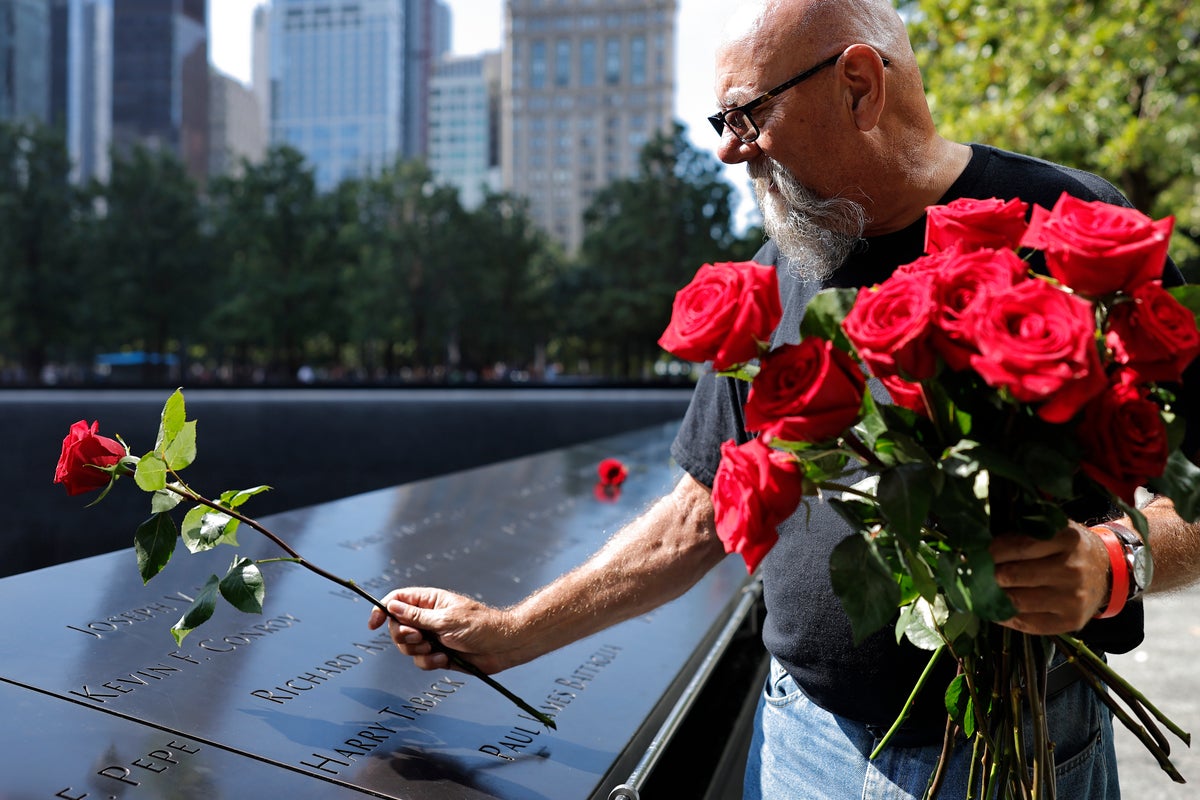
Twenty-five years have passed since those four hijacked planes altered modern history. Nearly 3000 people lost their lives at the World Trade Center, the Pentagon, and in a quiet field in Shanksville, Pennsylvania. Yet, the milestone anniversary isn't just about looking backward at geopolitical fallout or airport security shifts. It is about how individual memory survives the passage of time.
The Science of Flashbulb Memories
Why do we remember September 11 with such startling clarity? Psychologists call these flashbulb memories. When a shocking, emotionally charged event occurs, the brain acts like an internal camera. It captures the surrounding details with vivid intensity.
You might not remember what you ate last Tuesday, but you likely remember what shirt you wore or who called you on the morning of September 11.
- High emotional arousal triggers the amygdala.
- The brain encodes surrounding context alongside the core trauma.
- Time passes, but the sensory anchor remains remarkably stable.
Even so, research shows that flashbulb memories aren't entirely immune to decay. Over decades, people tend to blend personal experience with media replays. That doesn't make the memory fake. It means our minds worked overtime to process a collective shock that felt impossible to absorb in real-time.
How the World Shifted Overnight
Before that Tuesday morning, airport security was casual. You could walk loved ones all the way to their departure gate without a boarding pass. International travel felt open and carefree.
The attacks changed everything instantly. Governments introduced sweeping surveillance laws, military conflicts began that lasted decades, and the concept of global security transformed into an ongoing state of hyper-vigilance. Younger generations grew up in a world where taking off shoes at security checkpoints and checking for liquids in carry-ons became normal routine. They never knew the casual freedom of pre-2001 travel.
The physical landscape changed too. Lower Manhattan rebuilt itself with the One World Trade Center rising high above the skyline, yet the empty footprints of the twin towers remain quiet memorials to absence.
The Passing of the Torch to a New Generation
We are now reaching a demographic turning point. A quarter of a century means that millions of adults walking the streets today were either infants or not yet born when the towers fell. For them, 9/11 is a chapter in a history textbook, placed right alongside the fall of the Berlin Wall or the moon landing.
This creates a unique storytelling challenge. How do we pass down the gravity of a day when the firsthand witnesses are slowly aging?
Reading dry historical summaries misses the human element. Hearing about personal accounts—where a parent was working, how a classroom reacted when teachers turned on the TV, or the panic of trying to reach family members on jammed mobile networks—brings history back to life. Memory becomes a bridge between generations.
Keeping the Human Element Alive
As the years roll on, the memorials will continue, and the documentary specials will air. But the true weight of the anniversary rests in ordinary human stories.
Take a moment to talk to someone who lived through it. Ask them where they were. Listen not just to the historical facts, but to the silence that followed the realization of what was happening on live television. Honoring the victims means keeping those human connections alive long after the smoke clears.