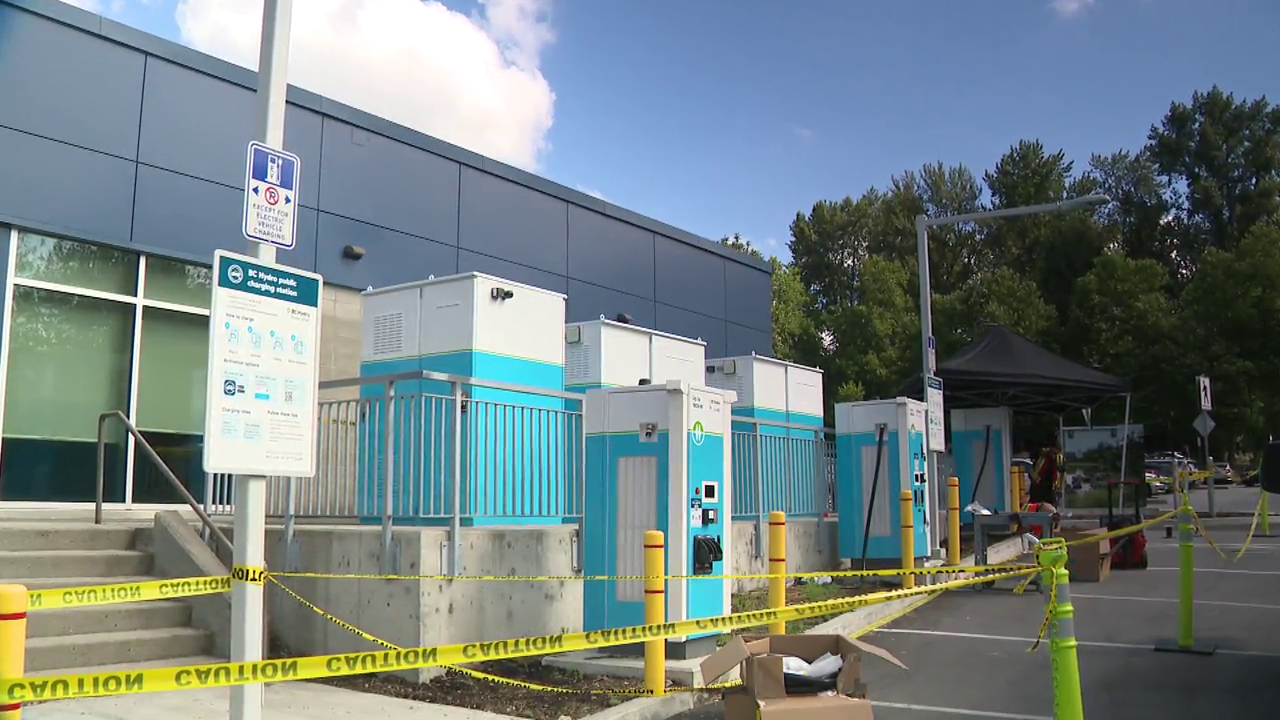
You pull up to an electric vehicle charging station, running low on battery, only to find a severed cable dangling helplessly from the unit. It is a frustrating scene playing out more and more across communities. Metal thieves are systematically targeting EV charging infrastructure, slicing away heavy cables just to harvest the copper inside.
This isn't just petty vandalism. It's a lucrative, highly destructive underground economy driven by soaring global metal prices. And public utilities like BC Hydro, along with municipal networks, are scrambling to keep up.
The Copper Gold Rush Driving the Crime Wave
Copper has turned into black-market gold. On global markets, prices sit near record highs, creating an irresistible temptation for thieves looking for a quick payout from scrap metal dealers.
An EV charging cable isn't a simple wire. It is packed with heavy shielding and thick copper conductors designed to handle massive electrical currents. Strip that outer casing away, take the metal to a willing scrap yard, and a thief can walk away with quick cash.
The math is grim for infrastructure owners. Replacing a single severed cable assembly can cost thousands of dollars in parts, labor, and emergency dispatch fees. Meanwhile, the thief might net a tiny fraction of that actual value at a scrap yard.
Beyond the Inconvenience: The Hidden Dangers
When a cable gets hacked off a public charger, the immediate victim is the driver stranded without power. But the broader implications go way deeper than a delayed road trip.
Leaving damaged, exposed electrical infrastructure behind creates severe public safety hazards. Police and utility operators point out that cutting into high-voltage equipment invites catastrophic injury or electrocution. It takes an extraordinary level of recklessness. Thieves are gambling with their lives for a few pounds of metal, while leaving behind live wires that endanger unsuspecting pedestrians, children, and pets.
Utility crews also face immense pressure. Repairing these stations means stepping into confined spaces or working roadside environments prone to traffic hazards, all to fix damage caused by criminal greed.
How Authorities and Utilities Are Fighting Back
Law enforcement and operators refuse to sit passively. Police departments across various jurisdictions have stepped up patrols around known charging hubs, particularly during the vulnerable overnight hours when most of these snips occur.
Technology is stepping into the fray, too. Modern charging stations are increasingly retrofitted with smart sensors. When someone starts tampering with a line, internal alarms trigger instantly, alerting local security or police departments before the culprit can make a clean getaway.
Operators are also looking at physical hardening. Reinforcing cable casings, installing better overhead lighting, and placing units in high-visibility zones help deter opportunistic thieves who prefer working in the dark.
If you spot someone tampering with electrical infrastructure or hanging around utility equipment without proper markings or uniforms, don't look away. Report it immediately to local authorities. Protecting our public grid means cutting off the market for stolen metal before the next charger goes dark.


