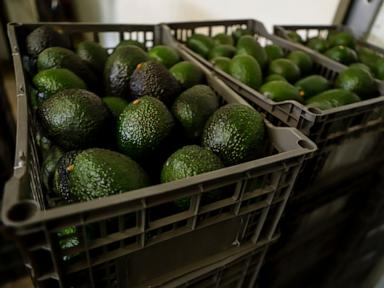
When American supermarkets run low on green gold, you can usually trace the problem straight back to the mountains of Michoacán. Mexican avocado exports to the United States face regular suspensions, and the root cause has very little to do with crop yields or weather patterns. It comes down to cartel violence, systemic extortion, and the safety of on-the-ground agricultural inspectors.
If you run a restaurant, manage grocery supply chains, or just wonder why your favorite guacamole ingredients suddenly jump in price, understanding these recurring border halts matters. Let's break down why these trade blocks happen repeatedly and what they mean for the multibillion-dollar produce market.
The Real Reason US Inspectors Walk Away
The United States Department of Agriculture doesn't pause multi-million dollar import channels on a whim. When shipments freeze, it means personnel safety has been compromised.
Michoacán stands as the powerhouse of international avocado production. It is also a territory heavily contested by organized crime syndicates. When cartels target agricultural workers, send direct threats to official cellphones, or detain inspectors during local civil unrest, the embassy reacts swiftly.
US agricultural inspectors must clear fruit before it crosses the border. Once those inspectors pull their field presence due to security threats, the legal supply chain grinds to a halt. The Mexican government often deploys hundreds of soldiers and National Guard troops into the region to restore order, but military sweeps take time to calm cartel strongholds.
How Cartels Control the Avocado Supply Chain
Most casual consumers think of farming as an innocent enterprise of soil, sun, and harvest. In the avocado heartlands of Mexico, reality is far darker.
Organized crime groups treat orchards like personal ATMs. Extortion is standard practice. Growers face constant demands for protection money, often called "cuota," for every single box of fruit they pack and ship.
- Orchard level: Farmers pay criminals just to harvest and transport their own crops safely.
- Packing facilities: Packers deal with intimidation and forced partnerships.
- Transportation routes: Truck drivers run the gauntlet past checkpoints operated by rival factions.
When local authorities arrest high-profile cartel leaders or crack down on extortion rings, criminal groups frequently retaliate. They stage protests, block highways, or threaten foreign agricultural officials to pressure governments. Avocados become diplomatic and economic leverage in a violent local war.
Market Impact and Price Volatility
Mexico supplies the vast majority of avocados consumed in the United States. When shipments from Michoacán stall, the North American market feels the squeeze within days.
Wholesale prices spike immediately. Alternative export regions like Jalisco in Mexico or domestic growers in California simply cannot cover the massive volume shortfall overnight. While fruit already in transit or sitting in cold storage keeps grocery store shelves stocked temporarily, a prolonged standoff drains inventory fast.
Buyers scramble to find secondary suppliers from Peru or Colombia, but shifting international shipping lanes takes weeks. Consumers ultimately absorb these disruptions through higher menu prices at restaurants and steeper grocery receipts.
What Needs to Change for Long-Term Stability
Temporary military deployments and reactive border closures offer only short-term fixes. Bringing permanent stability to the avocado trade requires addressing the systemic corruption embedded in regional logistics.
Producers and packers have repeatedly called for neutral security corridors supervised by independent international bodies. Until agricultural workers and foreign inspectors can operate without fear of crossfire or intimidation, the export pipeline will remain vulnerable to sudden shutdowns.
If you rely on steady produce supplies for your business, stop treating these border freezes as freak anomalies. Build buffer inventory, diversify your sourcing networks across multiple countries, and factor geopolitical security risks directly into your long-term purchasing strategy.