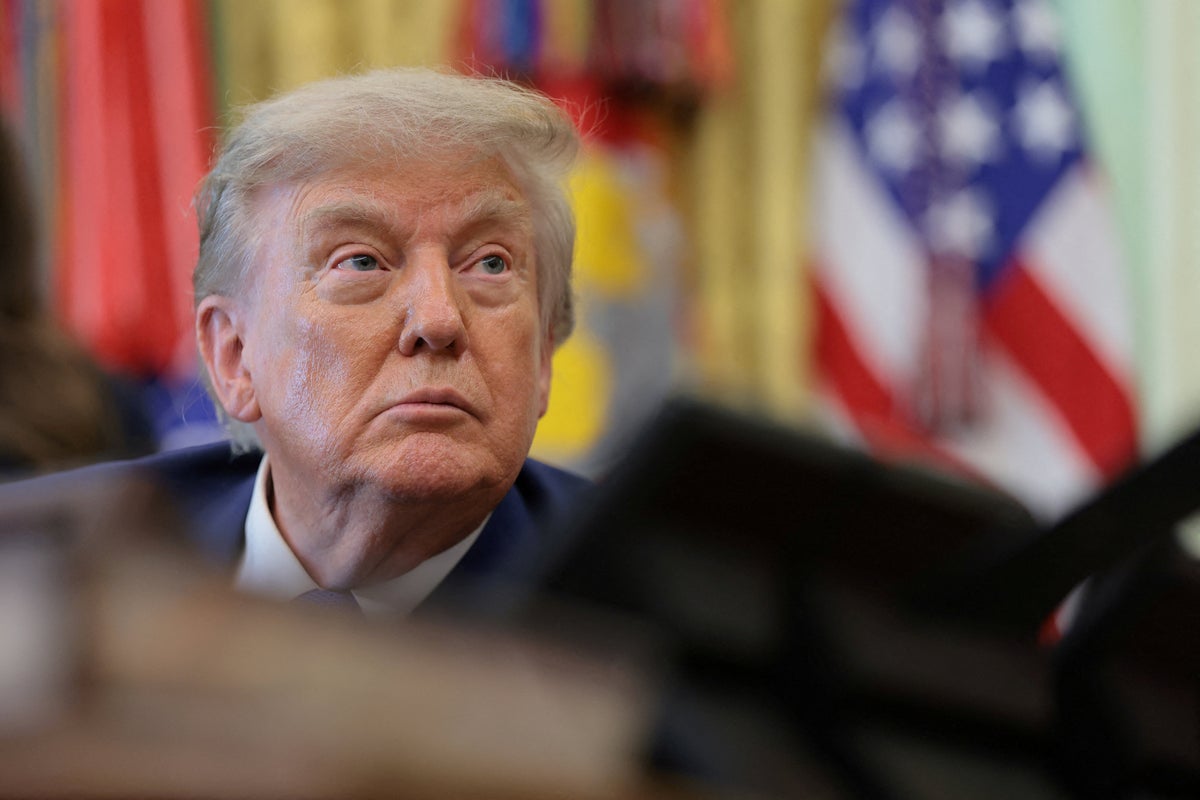
Foreign policy decisions rarely decide domestic elections until they start hurting at home. Right now, only 29% of expected midterm voters approve of how Donald Trump is handling the conflict with Iran. That number should terrify any strategist looking toward the upcoming congressional races.
When voters head to the ballot box, foreign entanglements usually take a backseat to grocery prices and local jobs. But a military conflict that drags on changes the math entirely. It bleeds into gas prices, economic anxiety, and general trust in leadership.
The Erosion Among Independents and Leaners
You can't win tough elections without independent voters, and right now, independents are jumping ship. Recent polling data highlights a sharp decline in support among unaffiliated voters and soft partisans who usually swing close elections.
Hardcore party loyalists are staying put. If you look at committed Republicans, approval remains high. But the margins live in the middle. When independent approval numbers sink into the twenties, candidates down the ballot face an impossible headwind. They have to answer for a foreign policy crisis they didn't vote for and can't control.
Why Foreign Policy is Backfiring Now
People want stability. When military escalations begin overseas, the immediate domestic fallout includes market volatility and climbing energy costs.
- Gas prices climb as shipping lanes face threats.
- Inflation fears resurface among working-class families.
- Trust in crisis management takes a direct hit.
Voters aren't just looking at the strategic goals of a military campaign. They are looking at their own bank accounts. When a foreign conflict overlaps with domestic financial strain, the political penalty is swift.
The Down-Ballot Panic
Congressional candidates running in competitive districts are sweating these numbers. A weak national security approval rating opens the door for opposition attacks on competence and foresight. Incumbents tied to the administration's current path find themselves spending precious campaign time defending overseas actions instead of talking about local issues.
Polls this far out don't lock in the final result, but they act as an early warning system. Ignoring a 29% approval metric on a major crisis is political suicide. Campaigns that fail to address these anxieties head-on will find out just how unforgiving midterm voters can be.
Watch how candidates pivot their messaging over the next few weeks. If they stop talking about foreign interventions altogether, you'll know the internal polling looks even worse than the public numbers suggest.
Majority of Voters Disapprove of Trump's Handling of Iran: NBC Poll
This video provides context on the national polling data showing widespread voter dissatisfaction with the administration's decisions regarding Iran.
http://googleusercontent.com/youtube_content/1


