When Israeli military authorities announced they were deploying an additional infantry battalion to Qusra, it sounded like a decisive intervention. Palestinian families trapped inside their homes by extremist settlers were finally supposed to get relief. Yet, the reality on the ground in the occupied West Bank tells a much grimmer story. Troops show up, tents are temporarily dismantled, and security zones are declared, but the structural impunity remains entirely intact.
If you look closely at how these flashpoints escalate, you realize that sending more boots on the ground is often a superficial patch on a deep-seated wound. Let's break down what's actually happening in Qusra and why these deployments fail to alter the trajectory of land seizures.
The Anatomy of a Village Siege
The blockade in Qusra didn't happen in a vacuum. Settlers erected makeshift outposts directly in front of Palestinian homes, effectively cutting off access to food, water, and basic medical supplies. Vides and reports from residents trapped inside—such as Qusai Abu Rida—highlight a terrifying strategy of attrition. Families rely on solar panels for electricity because normal infrastructure is compromised, while armed groups use intimidation to force displacement.
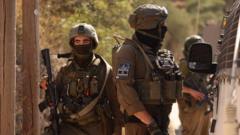
When the Israel Defense Forces (IDF) finally stepped in following rare direct clashes, they declared the area a closed military zone and tore down the initial tents. But what happened next? The troops pulled back, and the settlers simply remained at the doorstep. Soldiers waving off journalists at checkpoints while settlers ride past on pickup trucks waving victory signs point to a profound breakdown in operational enforcement.
Why Extra Troops Fall Short
Deploying an extra battalion sounds proactive on paper. In practice, military leadership is reacting to individual micro-crises instead of addressing the root cause.
- Impunitive Culture: Hardline factions operate with the near-certainty that local actions will face minimal legal consequences. Disciplinary threats against security personnel caught on camera praying alongside settlers rarely translate into systemic change.
- The Outpost Playbook: Settlers use a rinse-and-repeat method. Establish an illegal outpost, provoke a standoff, wait out the military's temporary presence, and return the moment soldiers redeploy elsewhere.
- Broader Escalation: According to United Nations documentation and local health ministry data, daily attacks have surged drastically since October 2023, resulting in over a thousand Palestinian fatalities across the territory. Qusra is just one data point in a systemic expansion.
The International Law Reality Check
Under international law, all settlements and outposts in the West Bank are completely illegal. That single legal baseline gets lost in the noise of tactical updates about troop rotations and battalion deployments. When more than 500,000 Israelis live among roughly three million Palestinians in a territory occupied since 1967, everyday policing cannot resolve a political project driven by permanent land acquisition.
Senior commanders have explicitly condemned these blockades as reprehensible and unacceptable, yet the cycle continues unabated. Until accountability shifts from temporary dispersal tactics to dismantling the infrastructure of illegal outposts permanently, announcements of troop reinforcements are just theater. Watch the actions on the ground, not the press releases.
Israeli Troops Clash With Settlers Besieging Palestinian Homes in West Bank
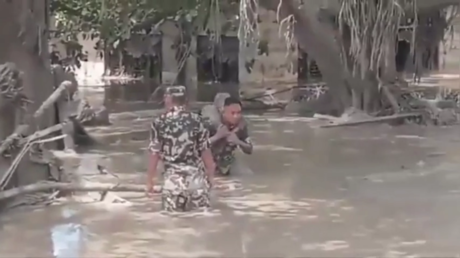
This video provides on-the-ground footage of the rare confrontations between Israeli forces and settlers outside besieged Palestinian homes near Qusra.