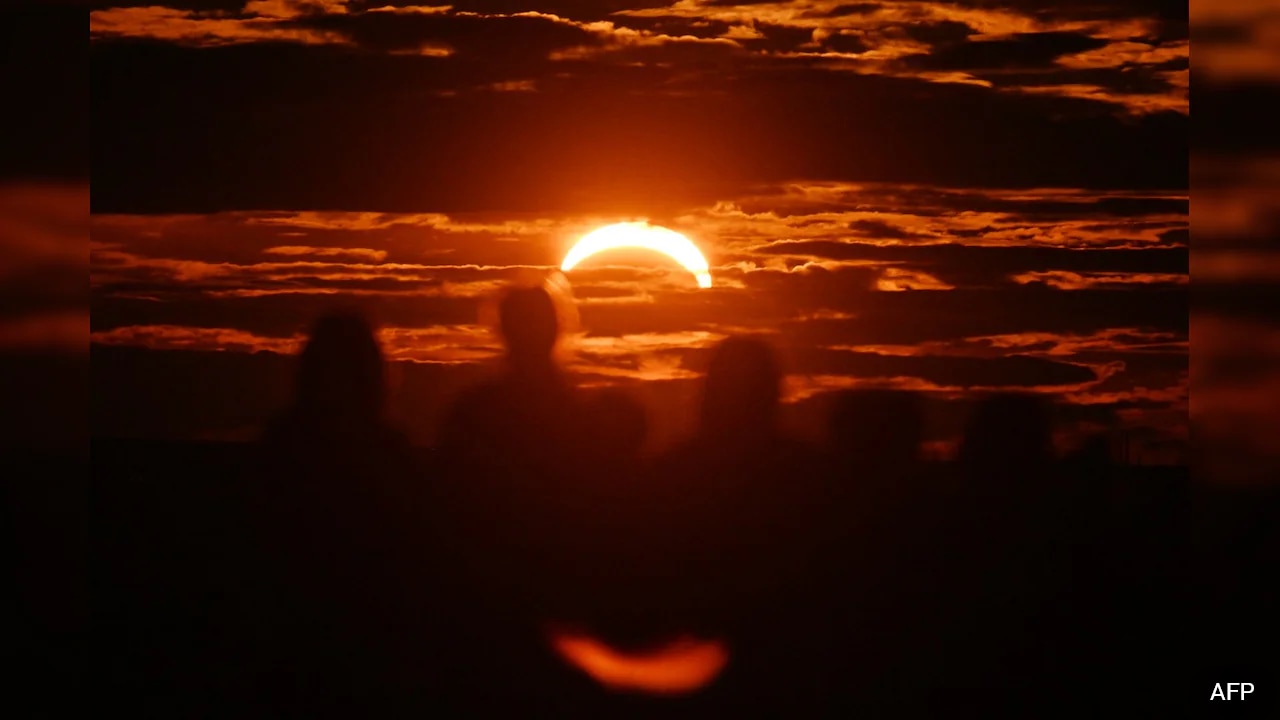
Skies darkened over northern and central Spain as millions of residents and international travelers flooded historic plazas, hilltops, and rural fields. They gathered for a single reason. August 12, 2026, marked Spain's first total solar eclipse in over a century, bringing a rare celestial shadow across the Iberian Peninsula.
Towns from Medinaceli to León transformed into makeshift astronomy camps. Lawn chairs, handmade pinhole projectors, and solar filter glasses filled public squares. For skywatchers who missed the partial phases or waited decades for mainland Europe to catch a total blackout, this evening event delivered a stark reminder of cosmic timing.
The Path of Totality Across Spain
Total solar eclipses are notoriously stingy with their geography. While millions across Europe caught a partial nibble of the sun, the narrow path of totality required travelers to position themselves precisely within northern and central regions.
The moon slipped directly between the earth and the sun late in the evening. As the shadow raced across the landscape, temperatures dropped instantly. Streetlights flickered on by accident. The sun's corona flared into view, painting a ghostly white ring against a deep twilight sky while the horizon glowed with sunset hues in every direction.
Astronomers and local authorities spent months preparing infrastructure for the gridlock. Coastal routes and interior highways choked with traffic as astro-tourists sought cloudless microclimates. Miraculously, clear skies cooperated across most prime viewing corridors, rewarding the gamble of millions who booked hotels years in advance.
Why This Eclipse Felt Different
It is easy to shrug off celestial events as routine physics. Yet, a total solar eclipse carries a psychological weight that standard stargazing lacks. When day turns to night in a matter of seconds, human biology reacts. Birds fall silent. Domestic animals huddle. The ambient noise of millions of people collectively holding their breath creates an eerie, unforgettable silence.
This specific event broke a long drought for the region. Spain hadn't witnessed a total solar eclipse since the early 1900s. That historical scarcity turned casual observers into dedicated chasers. Families packed picnics, photographers hauled heavy tripods up ancient medieval towers, and communities treated the evening like a major national holiday.
What to Do If You Missed Out
If you stayed home or watched the event through NASA's live broadcast instead of booking a flight to Madrid or Reykjavik, you aren't completely out of luck for European astronomy milestones.
Mark your calendar properly now. Another total solar eclipse will sweep across Spain and parts of North Africa on August 2, 2027. That upcoming alignment promises even longer durations of totality in southern regions.
Start planning your logistics today if you want a front-row seat. Accommodation near prime viewing zones for 2027 is already booking up fast. Buy certified ISO-compliant solar viewing glasses ahead of time, check regional weather patterns, and avoid leaving your travel arrangements to the last minute.