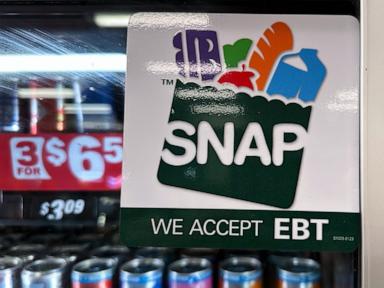
Roughly 5 million Americans have already lost access to the Supplemental Nutrition Assistance Program, and an impending September deadline threatens to make things much worse. If Congress doesn't act immediately, a massive funding overhaul will shift financial and administrative burdens directly onto states, leaving millions more scrambling to feed their families.
The crisis stems from sweeping changes enacted under H.R. 1—often called the GOP's One Big Beautiful Bill. Since the legislation passed, about 5 million participants have fallen off the rolls, including over 1.5 million children. Experts note that these drops are happening much faster than the Congressional Budget Office originally projected.
The Mechanics Behind The Mass Exodus
Why are so many people losing benefits? It comes down to a toxic mix of stricter federal rules and administrative traps.
Under the updated law, the upper age limit for able-bodied adults without dependents who must satisfy rigid work requirements jumped from 54 to 64. At the same time, family exemptions shifted dramatically. The qualifying age for parents and family members responsible for a dependent dropped from 18 down to 14.
These adjustments created an avalanche of paperwork and procedural hurdles. State agencies, overwhelmed by the volume of re-evaluations, began cutting off participants who missed notification windows or failed to navigate complicated recertification processes.
Families are now facing brutal choices. Do you pay rent, buy gas, or purchase groceries? For millions, the pantry is simply running empty. Food banks across the country report immediate surges in visitors, mirroring the exact numbers dropping out of the official state programs.
The Looming October Cost Shift
The situation grows even more precarious as October 1 approaches. Starting then, states must absorb 75% of the administrative costs required to run SNAP. Over the next few years, the fundamental burden of funding the actual food benefits will also migrate from Washington down to state treasuries.
On top of administrative fees, states face financial penalties tied to error rates. If a state's system makes too many overpayments or underpayments, they face mandatory additional penalties ranging from 5% to 15%.
State-level impacts are staggering. In places like Louisiana, roughly 21% of former SNAP recipients have lost coverage. Arizona implemented aggressive error-reduction initiatives, which successfully lowered local error metrics—but immediately flooded local food pantries with desperate residents. Terri Shoemaker of the Arizona Food Bank Network noted that local food bank traffic spiked by nearly the exact amount of people dropped from the state registry.
Can Congress Prevent A Complete Meltdown?
Food assistance advocates and state officials are frantically lobbying Congress to pass a stopgap resolution. They want lawmakers to delay the 75% administrative cost shift and give local agencies breathing room to lower error rates organically without simply booting eligible citizens off the program.
Senate Agriculture Committee Chairman John Boozman introduced a farm bill version that delays these shifts, but it hasn't cleared both chambers yet. With lawmakers returning from recess, the clock is ticking down to the end of the fiscal year.
If you or someone you know relies on SNAP benefits, check your state agency portal immediately. Verify your recertification dates, document every piece of correspondence, and connect with local community food pantries now before state budgets absorb the upcoming federal cuts.