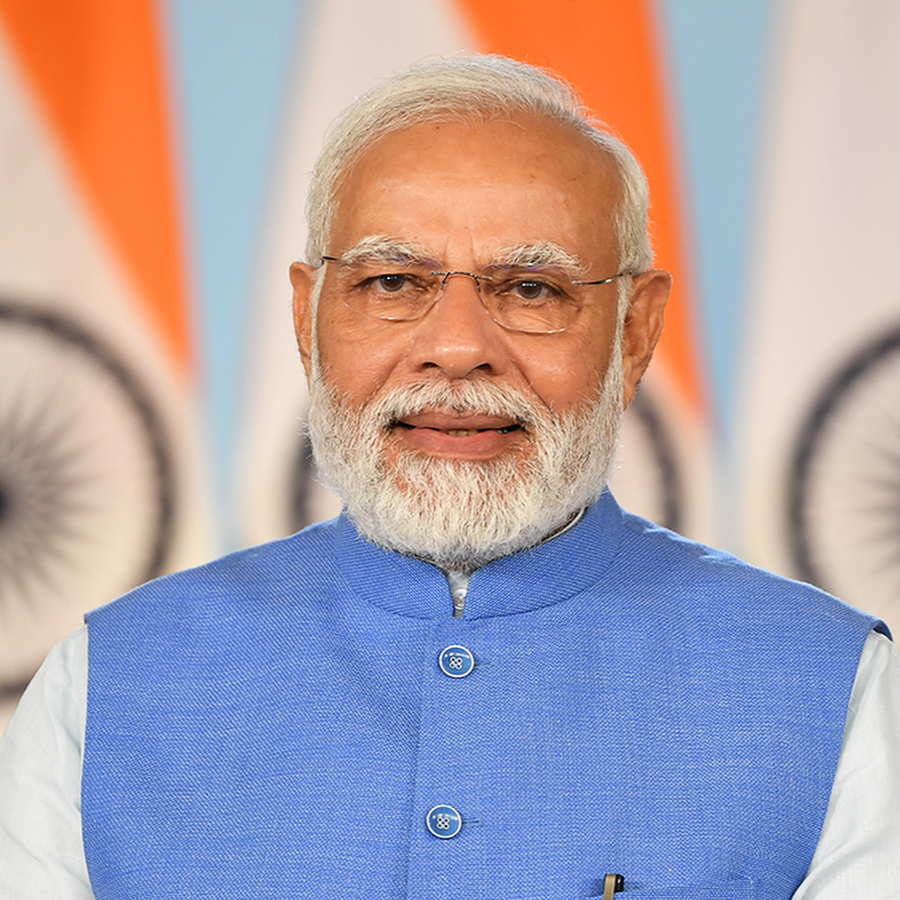
Diplomatic gifts usually feel scripted. They smell like duty-free luxury items picked by committee. But when Prime Minister Narendra Modi handed Vladimir Putin a Russian translation of the ancient Tamil scripture Thirukkural during bilateral talks in New Delhi, it broke the standard bureaucratic mold.
The meeting happened right ahead of the 18th BRICS Summit. While global headlines fixate on trade targets and defense tech, this specific gesture reveals how modern statecraft relies on cultural positioning. You don't just hand someone a book of 1,330 couplets by accident. You do it to send a targeted message about shared philosophies, long-term memory, and non-Western identity.
What is the Thirukkural and Why Putin Received It
Written by the poet-saint Thiruvalluvar centuries ago, the Thirukkural isn't tied to any single dogma. It splits human experience into three straightforward buckets: virtue, wealth and statecraft, and love.
That middle bucket—wealth and statecraft, known as porul—makes the text uniquely fascinating for heads of state. It deals with governance, leadership, and political strategy without preaching religion. Gifting a Russian edition to the leader of a heavily sanctioned superpower facing a polarized global order isn't just a quirky literary exchange. It points directly to timeless rules of authority and survival.
India is currently chairing the BRICS summit under themes focusing on resilience, innovation, and independence from Western-dominated institutional frameworks. Handing over a classic text from southern India to a key Eurasian ally underscores an ongoing shift. Nations outside the traditional Western core are increasingly comfortable anchoring their modern alliances in indigenous philosophies rather than imported frameworks.
The Real Numbers Driving the New Delhi Talks
Beneath the cultural diplomacy, the stakes in these bilateral meetings are massive. Trade between India and Russia has hovered around $60 billion, and both governments have locked eyes on a much more aggressive target: $100 billion in bilateral trade by 2030.
Hitting that goal requires an extra $40 billion in just a few years. It demands sustained double-digit growth, deeper industrial cooperation, and the expansion of joint ventures in steel, civil nuclear energy, fertilizers, and critical minerals.
When Modi and Putin sat down to talk, they weren't just exchanging pleasantries over translated couplets. They were reviewing the nuts and bolts of industrial exhibitions like INNOPROM India, streamlining supply chains, and clearing paths for skilled labor mobility between the two nations.
Moving Past Western Narratives
For years, international relations coverage treated non-Western diplomatic exchanges as secondary theater. Today, that framework is dead. When BRICS accounts for nearly half the global population and around forty percent of global GDP, meetings in New Delhi carry real weight.
Cultural touchstones like the Thirukkural serve a practical purpose in this new ecosystem. They signal a shared rejection of unipolar cultural dominance. By putting southern Indian philosophy into the hands of a Russian leader, New Delhi quietly reminds the world that its civilizational footprint is broad, deep, and entirely self-generated.
Keep an eye on how these local manufacturing tie-ups and alternative financial architectures develop over the next few years. The real story isn't the book itself. It's the growing confidence of powers writing their own rules.


