Three children struck by vehicles in two years at a single intersection will change how a community views school safety. For families near Royal West Academy in Montreal West, a dangerous corner at Ainslie Road and Westminster Avenue has become a symbol of municipal foot-dragging.
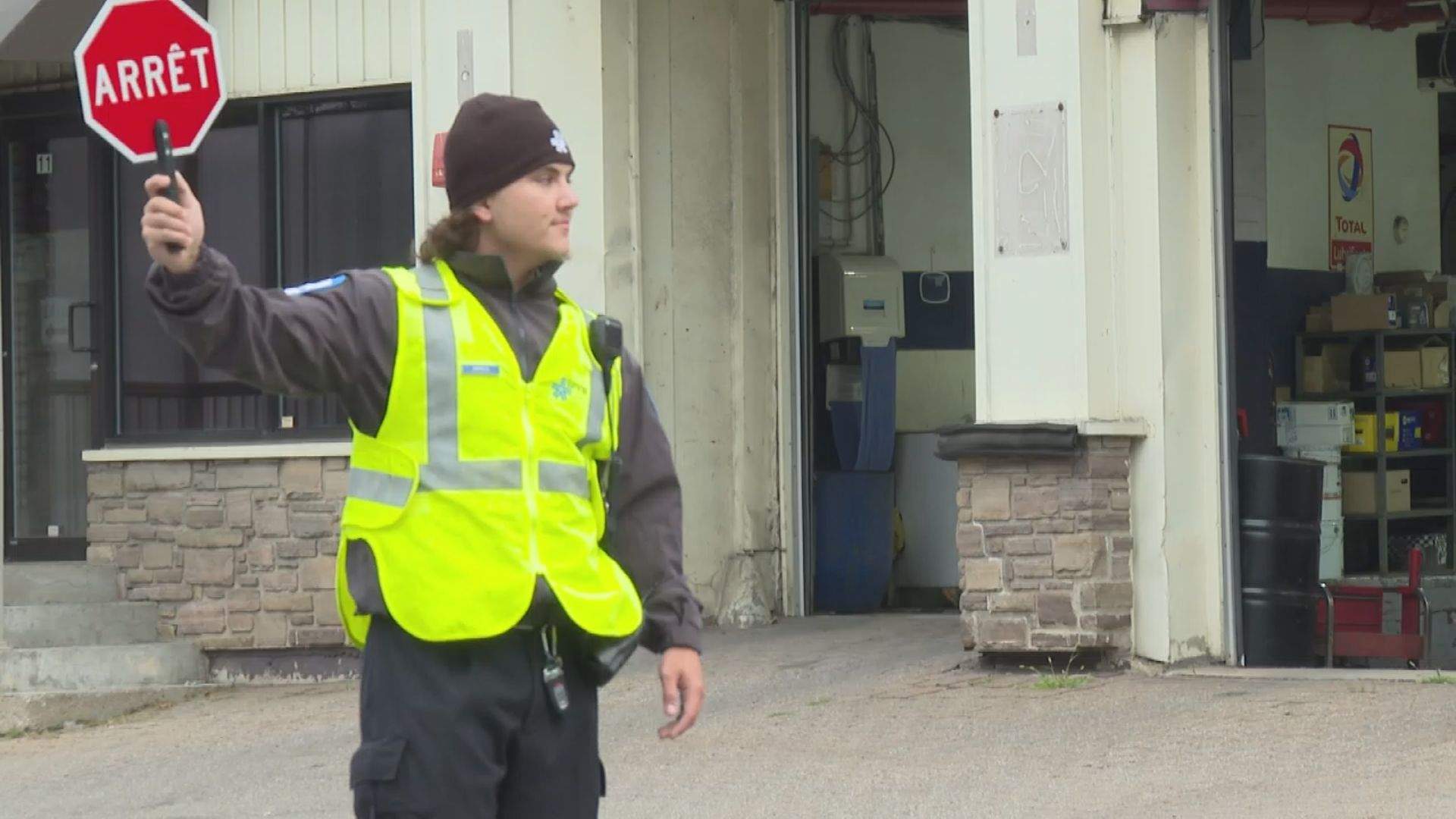
An SPVM crossing guard is back on duty twice a day. Parents aren't popping champagne. They know the protection vanishes after October.
When a safety measure expires just as traffic thickens, it feels less like a solution and more like a countdown.
The Battle for the Corner
The fight for a designated crossing guard didn't happen overnight. Parents spent the summer lobbying local officials after the previous guard's tenure abruptly ended in June. Former governing board chair Eric Lamoureux pointed out the obvious: families have tried for two years to fix a disaster waiting to happen.
Back in April, mounting pressure forced Montreal police to place a guard at the intersection. That temporary win expired with the school year. When classes resumed, the void remained until advocates pushed the Montreal Agglomeration Council to reinstate the morning and afternoon shifts.
Joanna Duy, a Royal West Academy parent, noted that monitoring students revealed an immediate psychological shift when a guard was present. Kids felt secure. Parents felt a momentary drop in anxiety. But a temporary fix for a chronic problem is hardly a victory.
Why Paint and Pavement Aren't Enough
Municipal leaders are betting big on concrete changes rather than human personnel. Montreal West Mayor Jonathan Cha defended the city's approach, pointing to upcoming infrastructure modifications designed to calm traffic.
The plan involves narrowing the roadway from four lanes down to two and eliminating left-hand turns. A pilot project testing these adjustments began recently, with full intersection reconfiguration slated to run from September 22 through the end of October.
City hall hopes narrower lanes will force drivers to slow down and give kids more breathing room. Parents aren't buying the optimistic blueprint.
Lamoureux warned that narrowing lanes without proper enforcement might backfire entirely. Frustrated motorists squeezed into tighter corridors often act more recklessly, especially when rushing toward Highway 20. Changing asphalt doesn't replace the watchful eyes and physical barrier of a trained guard standing in the street.
The Core Problem With Temporary Safety
Municipalities love expiration dates because they manage budgets easily. Parents manage children's lives. That mismatch creates endless friction.
Relying on temporary guard deployment until roadwork finishes treats a systemic safety failure as a construction zone inconvenience. Traffic patterns near schools require permanent oversight. When three students get hit in a span of twenty-four months, temporary solutions look negligent.
Even if the upcoming lane reductions succeed in slowing down local traffic, pedestrians still need active protection during peak morning rush hours and afternoon dismissal.
What Needs to Happen Next
If you are tracking municipal accountability or fighting for safer school zones in your own neighborhood, the Montreal West situation offers a clear playbook on what works and where systems break down:
- Build persistent coalitions: Do not stop advocating once a temporary measure is granted. Force city councils to commit to permanent line items.
- Demand traffic data transparency: Ask municipalities to share pre- and post-construction speed and incident metrics to hold them accountable after infrastructure changes finish.
- Insist on human oversight: Pavement changes and speed bumps are passive tools. Children navigating heavy urban traffic deserve active, human protection.
The crossing guard at Westminster and Ainslie will pack up for good in October unless public pressure forces a policy shift. Until then, parents will keep counting down the days and hoping drivers pay attention.