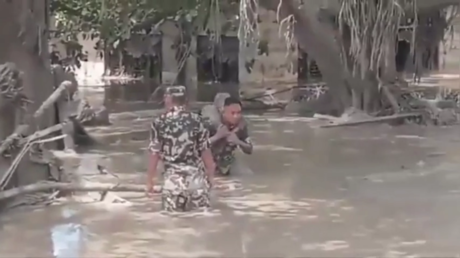
Heavy monsoon rains don't just wash out roads. They break public health systems. Right now, Myanmar's largest city, Yangon, is dealing with a dangerous spike in acute diarrhea cases as relentless monsoon flooding worsens across the country.
If you look past the standard weather reports, a grim reality emerges. Clean water systems fail. Sanitation breaks down. Vulnerable populations caught in ongoing civil conflict are left with zero margin for error.
Let's break down what is actually happening on the ground, why health officials are scrambling, and what this public health emergency means for a nation already stretched to its absolute limit.
The Ground Reality in Yangon
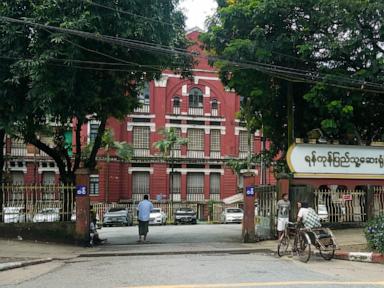
Numbers tell a sobering story. State-run media reports indicate that Yangon General Hospital admitted 182 diarrhea patients over a compressed four-day window. Out of those admissions, nearly half tested positive for specific, dangerous pathogens.
Local reports and regional outlets point directly to cholera strains among the positive samples, though official state reports have broad-brushed the pathogen findings. At least one fatality, a 92-year-old patient, has been officially linked to the outbreak by the military information team.
The epicenter of this concentrated cluster sits right in downtown Yangon's bustling Chinatown area. This is a densely packed district famous for street food, bars, and open-air eateries. When floodwaters mix with compromised drainage, street food becomes an immediate transmission vector.
Local health department heads, including Nanda Win of the Yangon Regional Department of Public Health, have flagged contaminated water and risky takeout food handling as the primary catalysts.
Why Monsoon Flooding Triggers Disease Spikes
Waterborne illnesses follow a predictable, brutal math during tropical downpours. Heavy rain overwhelms aging municipal drainage infrastructure. Sewage lines overflow. Raw waste mixes directly with shallow groundwater tables and surface runoff.
When people rely on compromised water sources or vendors use tainted water to wash produce and prep meals, bacteria spread rapidly. Acute watery diarrhea is a recurring seasonal nightmare in Yangon.
Historical data from the World Health Organization shows that in 2024 alone, more than 2,200 people required hospitalization for acute watery diarrhea in Yangon, resulting in 15 deaths. The current 2026 monsoon season threatens to match or exceed those grim metrics if containment measures fail.
The Response From Authorities
Containment requires swift, disruptive action. Officials aren't taking chances in the Chinatown sector. State newspapers confirmed that authorities ordered street food vendors selling high-risk items to shutter operations for a mandatory three-day period. Several local bars and restaurants confirmed these immediate closures to international press.
Medical personnel at Yangon General Hospital are shifting into emergency triage mode. Deputy medical superintendent Aung Lin Aye emphasized that current hospital protocols prioritize aggressive rehydration and death prevention above everything else.
Yet, treating patients at the bedside is only half the battle. Stopping the transmission cycle at the community level remains the ultimate hurdle.
A Health Crisis Compounded by Civil Conflict
You cannot separate public health in Myanmar from its ongoing political catastrophe. Ever since the military seized power from the elected government of Aung San Suu Kyi in 2021, the nation's healthcare infrastructure has deteriorated.
Hospitals face severe supply shortages. Medical staff have faced displacement, targeting, or crackdowns. Trust in state-run institutions remains low.
When a climate-driven disaster like severe monsoon flooding hits, it collides with a fractured state. Communities outside Yangon face displaced populations, damaged homes, and broken supply lines. People cannot isolate or access clean sanitation when basic survival is a daily struggle.
Practical Takeaways and Next Steps
Outbreaks like this demand immediate, localized caution. If you are tracking or operating within affected regions of Myanmar, standard safety protocols are non-negotiable:
- Purify all drinking water: Boil water vigorously or use reliable chemical purifiers before consumption. Never trust tap water during active flood conditions.
- Avoid high-risk street food: Steer clear of raw vegetables, unpeeled fruits, and street-prepped items washed in questionable local water sources.
- Prioritize early rehydration: At the first sign of acute gastrointestinal distress, administer oral rehydration salts immediately and seek clinical care before severe dehydration sets in.