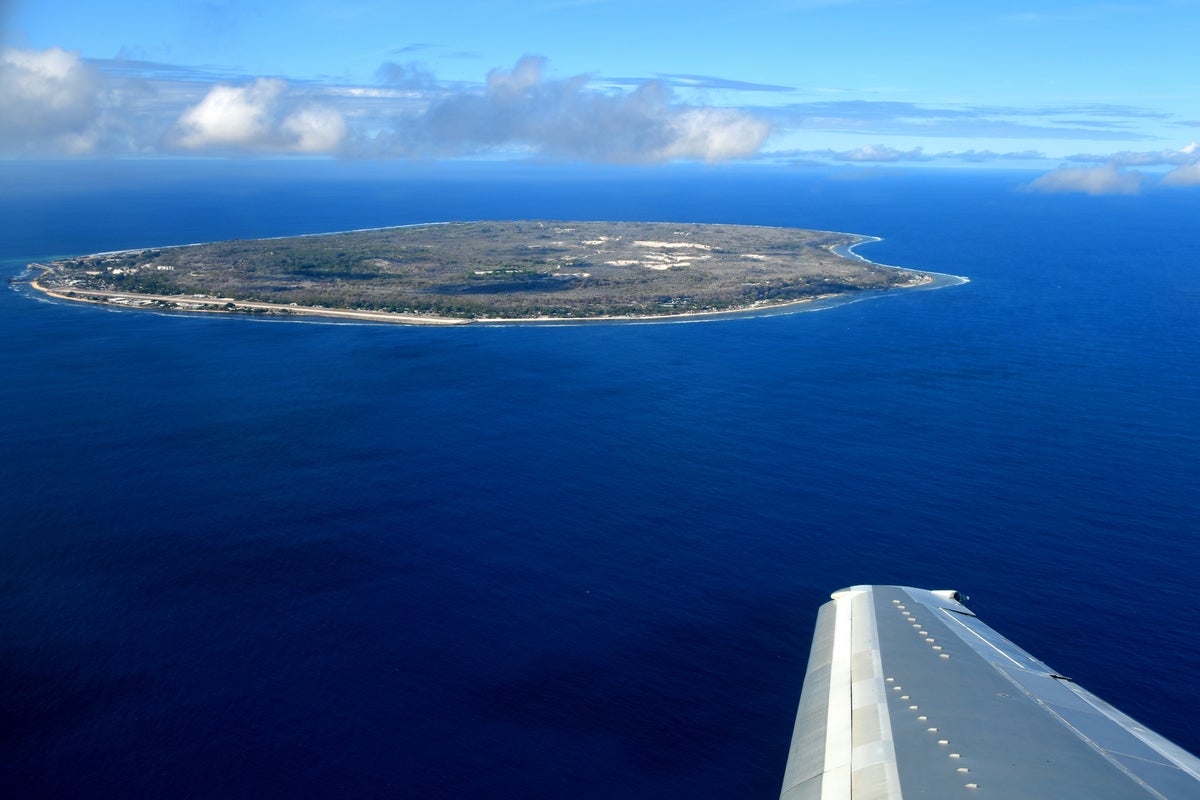
The world's third-smallest nation just ditched the name outsiders gave it. The Pacific island nation formerly known as Nauru has officially transitioned to the Republic of Naoero.
If you have been tracking geopolitical updates or Pacific island affairs, this adjustment is not just a random rebranding stunt. It is a long-overdue correction of colonial history. For decades, the global map listed this tiny coral island as Nauru. Locals knew that label was a clumsy linguistic invention born from European colonisers who struggled to pronounce the native word, Naoero.
Now, the government has made it official. Parliament passed a constitutional amendment to revert entirely to the ancestral designation.
Why the Government Dropped the Referendum
President David Adeang initially floated the idea of holding a national vote. People expected a lengthy public referendum to decide the matter. That vote never happened.
Why? Because leadership realized a public ballot was pointless for a name people already use every single day. Naoero is not a foreign concept waiting for public approval. It is embedded right on the national coat of arms and spoken fluidly within local communities. Skipping the ballot box saved time and money, proving that some cultural truths do not require a political campaign to validate them.
What Actually Changes Under the New Law
A name shift on this scale involves more than just updating headlines. The official state designation is now the Republic of Naoero. When you look at shorthand versions, the abbreviated country name is simply Naoero.
If you are wondering what residents are called now, the official demonym for citizens is dei-Naoero. International bodies like the United Nations have already received formal paperwork to update their registry files.
The Bigger Picture for Small Island Nations
Nauru, or rather Naoero, sits with a population of roughly 12,000 people packed into a 21-square-kilometre patch of land. Being small does not mean your historical identity is up for grabs by foreign mapmakers.
For generations, Pacific nations have fought to reclaim narratives stripped away during colonial expansion. Reverting to Naoero is a direct rejection of that legacy. It signals a broader shift across Oceania where indigenous communities refuse to let colonial convenience dictate their modern existence.
Expect other territories to examine their own official designations. When identity lives in your language and your coat of arms, keeping a foreign mispronunciation on international passports stops making sense. Naoero chose to fix its name. Other places might soon follow suit.


