Navanethem Pillay didn't just study the law. She weaponized it against apartheid, war crimes, and state-sponsored brutality when the world looked away. Born in Durban in 1941 to Tamil immigrant parents, she grew up under an oppressive system that treated non-white citizens as disposable. That upbringing forged a lifelong refusal to accept injustice as just "the way things are."
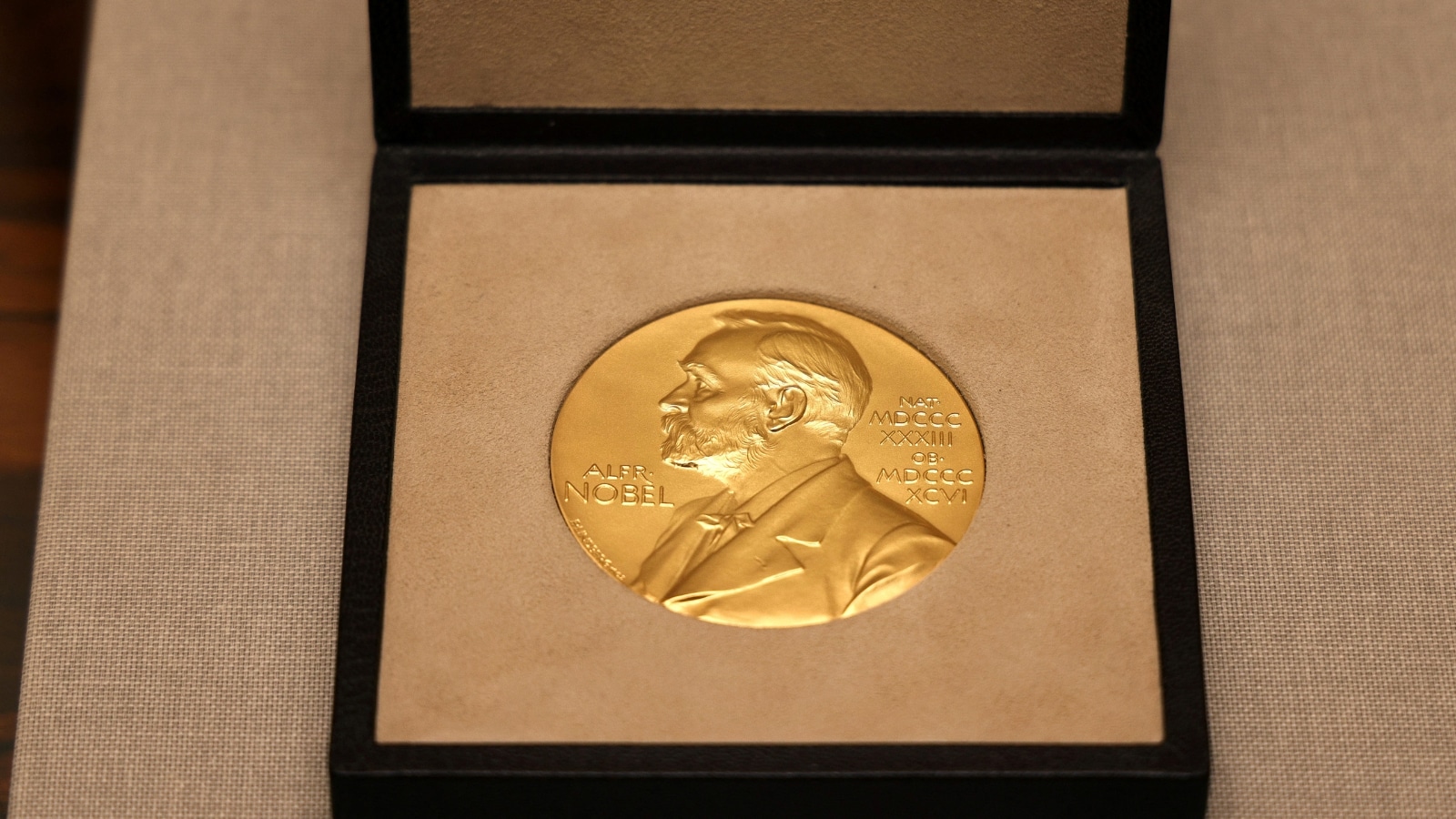
Winning the 2026 Nobel Peace Prize isn't a ceremonial lifetime achievement award. It's a loud, urgent reminder that international justice still has teeth, even when global superpowers try to blunt them. Let's look at how a girl from a segregated South African township became one of the most feared and respected jurists on the planet.
Breaking Barriers in Apartheid Courts
Before she became a UN High Commissioner or an international judge, Pillay faced walls built specifically to keep women of color out of the courtroom. She qualified as a lawyer in South Africa in 1967, establishing her own practice in Natal. She didn't take easy corporate cases. Instead, she defended anti-apartheid activists, exposed police brutality, and fought for political prisoners detained without trial.
Courts during apartheid were hostile arenas designed to rubber-stamp government repression. Pillay treated them as battlegrounds. She forced the state to account for torture and defended freedom of speech when speaking out could land you in isolation or worse. That lived experience under institutionalized racism gave her an uncompromising perspective that later defined her international career.
Standing Up to Power at the International Tribunals
When the global community finally woke up to atrocities in Rwanda and the former Yugoslavia, Pillay was right there in the trenches. Appointed as a judge to the International Criminal Tribunal for Rwanda (ICTR) in 1995, she made history. She presided over the landmark Jean-Paul Akayesu case.
That ruling established a vital legal precedent: sexual violence and rape are acts of genocide when used systematically to destroy a targeted group.
Legal experts praised the ruling, but the true impact was human. It changed how global courts prosecute mass atrocities forever. Pillay refused to let legal technicalities shield perpetrators of sexual violence from accountability.
Holding the Line as UN Human Rights Chief
As the United Nations High Commissioner for Human Rights from 2008 to 2014, Pillay didn't play diplomatic softball. Most bureaucrats prefer quiet negotiations behind closed doors. Pillay called out powerful nations and rogue states alike, criticizing human rights abuses in Sri Lanka, Israel, Syria, and Sudan without flinching.
Governments hated her independence. That's how you know she was doing her job right. When diplomats whispered about political expediency, she demanded compliance with international humanitarian law. She insisted that victims of war crimes deserved justice regardless of which government pulled the trigger or funded the weapons.
Continuing the Fight at the International Court of Justice
Retirement wasn't in her vocabulary. Years after leaving her UN post, Pillay remains active on the front lines of global jurisprudence, serving as a judge on the International Court of Justice in cases addressing state-level genocide and violations of international conventions.
When you watch powerful nations try to bypass accountability today, remember that jurists like Pillay represent the last line of defense for international order. Her Nobel Peace Prize validates a career spent refusing to compromise on human dignity.
Check your local legal aid organizations, support independent human rights monitoring groups, and hold your elected officials accountable for the arms and policies they back abroad. Justice doesn't happen by accident. Someone has to fight for it every single day.