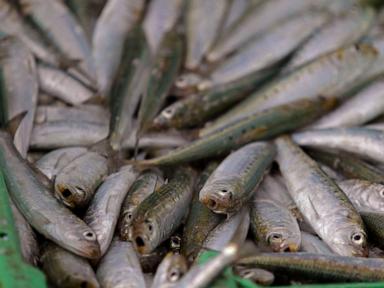
Millions of silver scales washing up on pristine beaches are never a good sign. Right now, South Africa's coastline is dealing with an unsettling marine crisis as massive schools of dead sardines turn up from the West Coast down to Gqeberha.
If you have been following environmental news lately, you probably want to know what is actually happening beneath the waves. Scientists point to a primary culprit: the pilchard herpesvirus (PHV). But honestly, the virus alone might not tell the whole story.
The Mystery Behind the Pilchard Herpesvirus
Let's look at the facts. Researchers from the South African Institute for Aquatic Biodiversity and the Department of Forestry, Fisheries and the Environment (DFFE) tested dozens of dead and dying specimens. Laboratory sequencing confirmed high levels of PHV genetic material in the samples.
This specific pathogen targets fish gills, causing them to thicken and become heavily inflamed. Imagine trying to run a marathon while breathing through a narrow straw. That is basically what happens to the fish; the virus interferes with their oxygen uptake until they suffocate.
Yet, researchers found a twist. They also detected the virus at lower levels in apparently healthy sardines. That discovery changes everything. It means the virus might already live latent within populations, requiring environmental triggers to spark a full-blown die-off.
Why Environmental Stressors Matter
You cannot blame a single factor when an entire marine ecosystem acts up. Scientists are actively reviewing secondary variables alongside PHV.
- Unusual ocean temperatures
- Fluctuating oxygen levels
- Harmful algal blooms
Initial screenings for paralytic shellfish toxins turned up mostly negative or negligible, but oceanographic conditions can shift rapidly. Dr Janet Coetzee from the Department of Fisheries noted that the outbreak has been spreading at a frightening clip of 30 to 50 kilometers per day. That kind of velocity points to a highly contagious biological agent moving through dense, migrating schools.
The Ghost of Australia Past
Marine biologists aren't flying blind here. This outbreak echoes historical events that rattled the Southern Hemisphere decades ago.
During the mid-to-late 1990s, massive sardine mortality events swept across southern and western Australia, eventually hitting New Zealand waters. Those events wiped out roughly sixty percent of the local sardine biomass in some regions and triggered massive ecological shockwaves.
When you pull a foundational forage fish out of the food web, everything else suffers. Conservationists are currently holding their breath for South Africa's critically endangered African penguins, which rely heavily on sardines for survival. Breeding colonies already sitting on razor-thin population margins cannot afford a sudden crash in their primary food supply.
Is It Safe to Eat Seafood?
Let's address the immediate worry for consumers and the commercial fishing industry.
The DFFE has made it clear: pilchard herpesvirus poses zero risk to human health. Healthy sardines caught commercially and canned products found on supermarket shelves remain completely safe to consume. Authorities aren't rushing into a panic-driven fishing moratorium yet, preferring to let scientific working groups evaluate the hydroacoustic biomass surveys before making heavy-handed regulatory moves.
Watch local updates closely if you live near the coast. Avoid collecting or eating any wash-up fish you find stranded on the beach, and let the marine authorities handle the cleanup and sample collection.