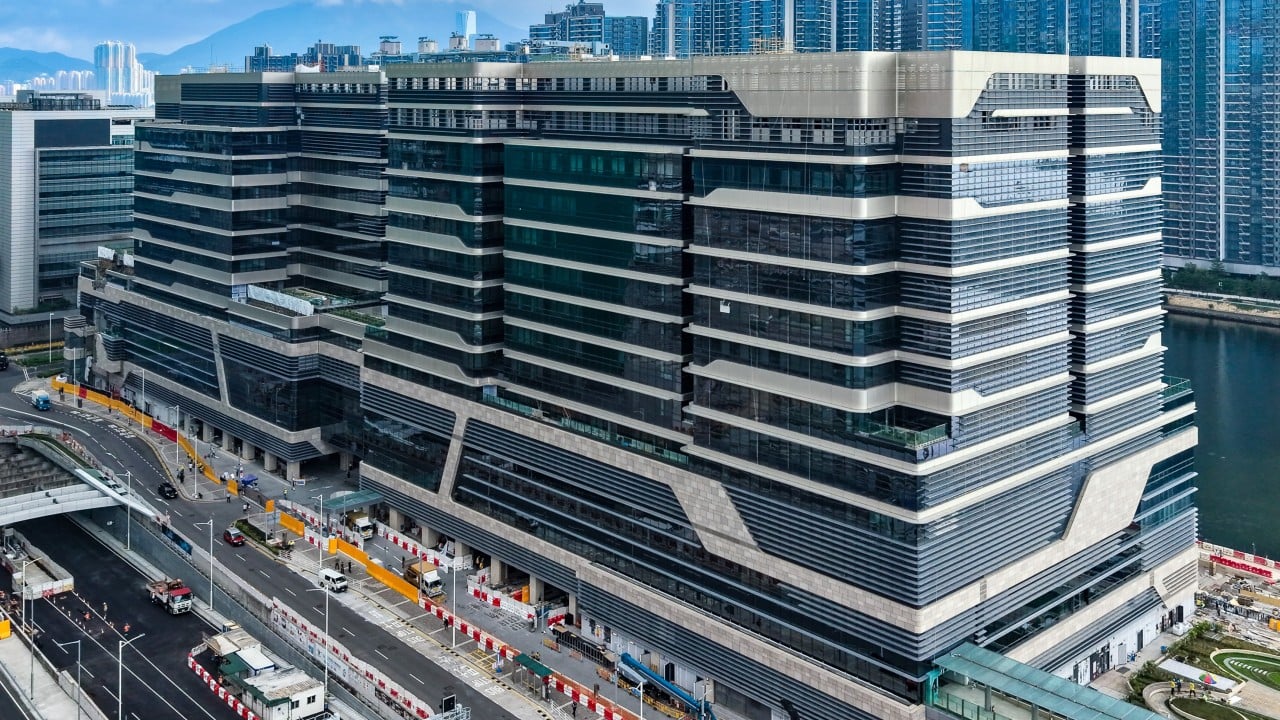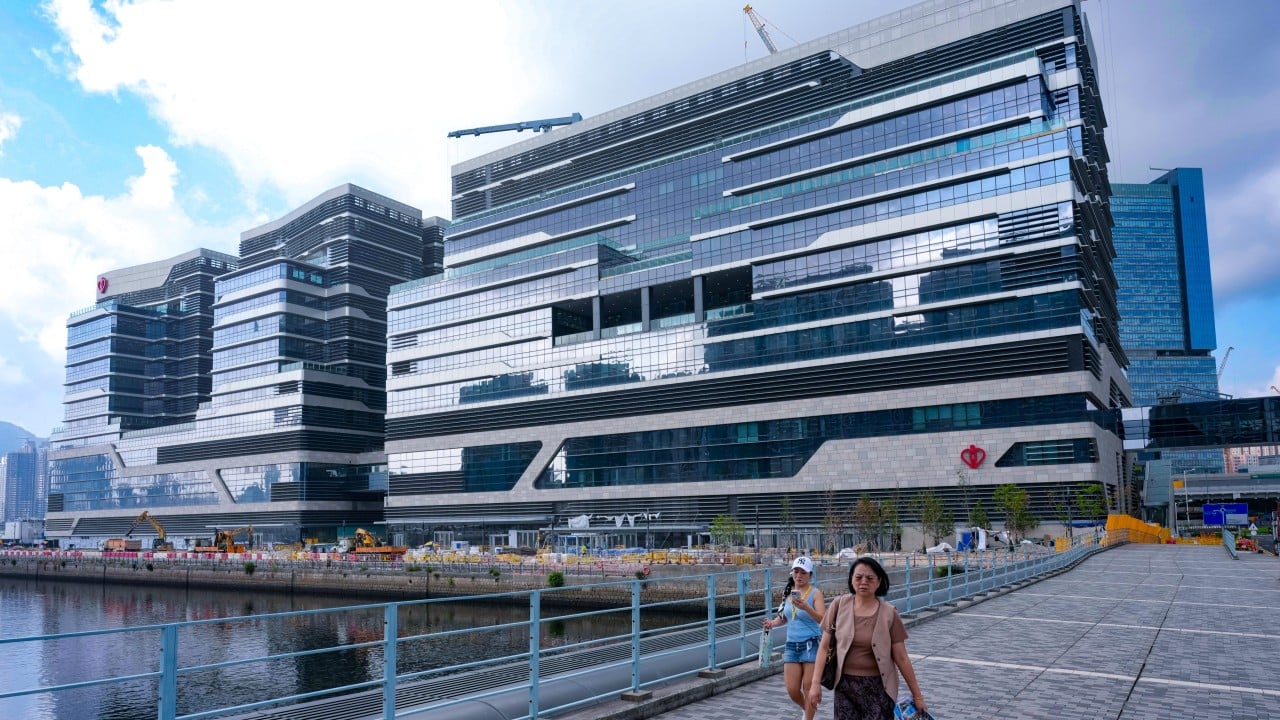
Hong Kong's public healthcare landscape is shifting. Kai Tak Hospital has officially opened its doors for its first wave of patients, kicking off a massive phased rollout that will eventually crown it the city's largest public medical center. If you or an elderly family member have upcoming appointments, don't just show up expecting a traditional hospital experience right away.
Navigating this transition requires knowing what is open now, what remains under wraps until 2028, and how to avoid the transit headaches that are already frustrating early visitors.
What Is Actually Open Right Now
Let's clear up the confusion immediately. Kai Tak Hospital is not operating at full capacity. The facility launched its initial phase starting with family medicine and specialist outpatient services, alongside targeted oncology wards.
Major departments are moving in gradually over the coming weeks. Surgery and neurosurgery outpatient clinics will transition later in October, while the crucial department of medicine starts welcoming patients in November.
If you are looking for an accident and emergency department, stop right there. The A&E and trauma center won't open until 2028. If you have a sudden medical emergency today, you still need to head to your usual alternative hospital. Showing up here for acute emergency care right now is a wasted trip.
Transit Challenges and Real Logistics
The hospital's location brings real logistical hurdles. Situated in the Kai Tak development area, early visitors have quickly noticed that getting to the doorstep isn't as straightforward as stepping off an MTR train directly into a lobby.
If you arrive via the nearby MTR stations like Kai Tak or Lok Fu, you need to factor in walking times and transfers. For instance, a field test of the walking route from the MegaBox shopping mall footbridge to the Block 4 Specialist Outpatient Clinic takes roughly ten minutes. For elderly patients, those carrying heavy bags, or anyone on crutches, that stretch can feel twice as long.
The Hospital Authority has set up 10 franchised bus routes and six minibus routes to connect the precinct to major Kowloon areas including Wong Tai Sin, Kwun Tong, and To Kwa Wan. Five MTR stations provide direct feeder connections, such as Citybus 22S and Minibus 86.
To help people with reduced mobility, dedicated Rehabus shuttle services are running from Kai Tak and Lok Fu MTR stations. If you're traveling with an elderly relative, skip the long walks and look specifically for these accessible shuttle options.
What to Expect Inside the Facility
Once you clear the transit and walk through the doors, the atmosphere is markedly different from older, cramped public hospitals in Hong Kong. Early queues formed early in the morning on opening day, but staff members and security guards have been deployed in high numbers to greet patients, hand out surgical masks, and point visitors toward registration desks.
Wait times for initial outpatient services have been reported as relatively smooth, but patience is still required as administrative workflows settle into place. Directional signage is clear, though the sheer scale of the 500,000-square-foot facility means you should budget an extra 15 minutes just to find your specific clinic room.
Practical Next Steps for Your Visit
Before you head out for your appointment, check your clinic letter carefully to confirm which block or outpatient wing you need. Double-check your transport route ahead of time, opting for the dedicated MTR feeder buses or Rehabus shuttles if mobility is a concern. Remember that emergency services are unavailable here until 2028. Plan accordingly, leave early, and give yourself plenty of time to navigate Hong Kong's newest medical landmark.