Himalayan cannabis is making a structural comeback. Gandaki Province just became the first region in Nepal to officially legalize the cultivation of cannabis for medicinal and industrial use, creating a massive break from a decades-long nationwide ban.
If you think this is just a minor policy update, look closer. This move challenges federal narcotics laws, opens up high-value agricultural exports, and confronts a heavy historical irony.
The Conflict Between Provincial Law and Federal Bans
Province Chief Dilli Raj Bhatta authenticated the Bill on Regulation of Cannabis Cultivation for Medicinal and Industrial Purposes, letting the legislation officially take effect. The path wasn't straightforward. Bhatta originally sent the bill back for reconsideration, arguing that it clashed directly with Nepal's federal Narcotic Drugs Control Act of 1976.
Instead of backing down, the Gandaki Provincial Assembly pushed back. Lawmakers voted unanimously to pass the bill a second time without a single amendment. Under Article 201(4) of Nepal's Constitution, the Province Chief had to endorse it. Proponents of the bill rely on constitutional provisions stating that regional laws on exclusive provincial powers can override older federal statutes.
This creates an intriguing constitutional friction. While the federal government still lists cannabis alongside hard narcotics—carrying heavy prison sentences for trafficking or possession—farmers in Gandaki can now legally prepare for licensed crop production.
What the New Regulations Actually Require
Don't expect a free-for-all agricultural boom. Gandaki's framework comes with heavy regulatory walls designed to prevent illegal diversion and recreational use.
- Minimum Land Requirements: Cultivation is banned on plots smaller than two ropanis (roughly a quarter of an acre), locking out small hobbyists.
- Mandatory Buyers: Farmers must submit pre-harvest agreements with certified pharmaceutical or industrial processing companies. You can't just grow the plant and hope to sell it.
- Strict Background Checks: Anyone applying for a license must declare they haven't faced drug-related convictions over the past decade.
- Oversight and Destruction: Any part of the plant deemed psychoactive or non-compliant must be destroyed under direct official supervision. Inspectors must seal all legal medical and industrial shipments before transport.
Fines for breaking these rules range from 50,000 to 500,000 Nepali rupees. The province is also mandated to open specialized rehabilitation centers funded by state efforts to address public health concerns.
Breaking Free From the 1970s Stigma
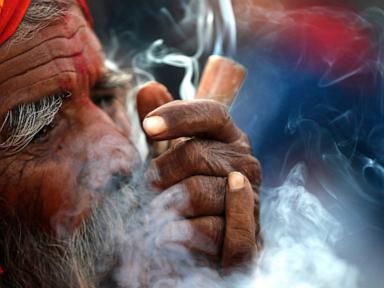
Cannabis is native to the Himalayan foothills. For centuries, the plant was woven into local traditions, indigenous medicine, and religious celebrations. During the annual Shivaratri festival at temples dedicated to Lord Shiva, devotees openly consume cannabis products while authorities look the other way.
That dynamic changed completely in the late 1970s. Under intense international pressure—particularly from Western nations waging the early waves of the war on drugs—Nepal outlawed marijuana in 1976. That decision crushed a thriving legal market, shut down government-run shops, and expelled the global counterculture movement that had made Kathmandu a legendary destination.
Decades later, local politicians and activists argue that criminalizing a versatile economic crop makes zero sense. Lawmakers point out that modern global markets treat hemp and medical cannabis as serious raw materials for textiles, bioplastics, paper, construction components, and pharmaceuticals. Neighboring countries and Western economies are pulling billions out of systematic agricultural management. Gandaki wants a piece of that infrastructure.
What Happens Next for Farmers and Businesses
Pokhara and the surrounding mid-hill districts of Gandaki are famous for tourism, trekking routes, and natural beauty. Local leaders believe legalizing medical and industrial cultivation can transform rural economies that rely too heavily on seasonal travelers.
The immediate next steps focus on setting up administrative infrastructure, issuing local government recommendations, and vetting commercial proposals. Farmers in the region must wait for final local guidelines to sync with provincial decrees before planting their first legal seeds.
Expect other provinces in Nepal to watch Gandaki closely. If this regional experiment survives federal pushback and proves economically viable, the rest of the country may finally be forced to rethink its 50-year-old drug laws.


