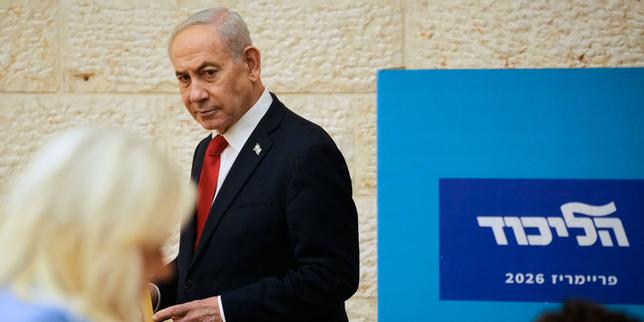
The relationship between Israel and Turkey hasn't just hit a wall. It’s actively burning. If you’ve been paying attention to the headlines from the past 48 hours, you know the vitriol between Benjamin Netanyahu and Recep Tayyip Erdogan has reached a point where traditional diplomacy feels like a relic of a different century.
It’s easy to dismiss this as just another round of political posturing. Don't be fooled. When Ankara issues an international arrest warrant for a sitting Israeli prime minister and Israel retaliates by labeling the Turkish president an "antisemitic dictator," we aren't looking at a simple diplomatic spat. We are witnessing the total collapse of a once-vital strategic partnership, replaced by a dangerous, personal, and highly volatile rivalry.
Why this is more than just theatre
Look at the timing. Israel is heading into a parliamentary election in October. In Turkey, Erdogan is navigating a post-Bashar al-Assad Syria where his influence is being directly challenged by Israeli military strikes.
Netanyahu needs to look strong. Erdogan needs to appeal to a base that is increasingly frustrated by his external entanglements. Both men are masters of using international conflict to shore up domestic support. By engaging in these public, searing exchanges, they aren't just talking to each other. They’re talking to their voters.
When Netanyahu’s office claims Israel "will not tolerate" Turkish aggression in Syria, it’s a direct signal to the Israeli public that he remains the only one willing to take the "tough" stance against a regional power. When Erdogan seeks an Interpol Red Notice against the Israeli premier, he’s projecting an image of a leader holding a global superpower to account. It’s effective. It’s also incredibly risky.
The Syria trap
The core of the current physical tension is the Abu al-Duhur airbase in northwestern Syria. Israel sees any Turkish military footprint there as a direct threat. Turkey, for its part, views its Syrian policy as a matter of national sovereignty and regional security.
What makes this especially dangerous is the lack of a functional "joint fusion mechanism." While there was an attempt to establish one in early 2026 for intelligence sharing, it clearly isn't working. We are now in a situation where two militaries—both technically allies of the United States—are operating in the same theater with almost zero reliable communication. One wrong move, one miscalculated airstrike, or one "accidental" clash could trigger a much larger conflict.
The personal element
You cannot ignore the personal animosity between the two men. It’s visceral. Netanyahu’s recent statement calling Erdogan an "antisemitic dictator" who "harbors Hamas terrorists" wasn't written for a diplomatic cable. It was written to burn bridges.
Erdogan’s response, pushing forward with the "genocide" narrative regarding the interception of an aid flotilla earlier this year, shows he’s doubling down. He isn't interested in a quiet backroom deal. He wants a public reckoning.
This level of personalization makes it nearly impossible for lower-level diplomats to do their jobs. When the bosses are calling each other names in the global press, the space for compromise vanishes.
What happens next
If you are looking for a cooling-off period, don't hold your breath.
- The Election Cycle: Expect the rhetoric to sharpen as Israel’s October vote approaches. Netanyahu won’t back down; he can't afford to look weak.
- Legal Maneuvering: Turkey will keep pushing its international legal cases. Even if they don't lead to actual arrests, they serve to delegitimize the Israeli leadership on the world stage.
- Military Brinkmanship: As long as both countries view the other’s presence in Syria as a red line, we are going to see more "messages" sent through airstrikes and military posturing.
The irony here is painful. Both nations share significant security concerns in a volatile Middle East. They have historically relied on each other to balance power in the region. Now, they are locked in a zero-sum contest that leaves both of them more isolated and more exposed.
This isn't about policy anymore. It's about pride, survival, and the desperate need for domestic validation. Keep your eyes on Syria. That’s where the next flashpoint will likely happen, and unlike the Twitter rants, that one will be played out with real fire.