Federal judges just handed state regulators a massive weapon, and prediction markets are scrambling to figure out what comes next. If you thought calling a bet an "event contract" was enough to bypass state gaming laws, recent court decisions proved you wrong.
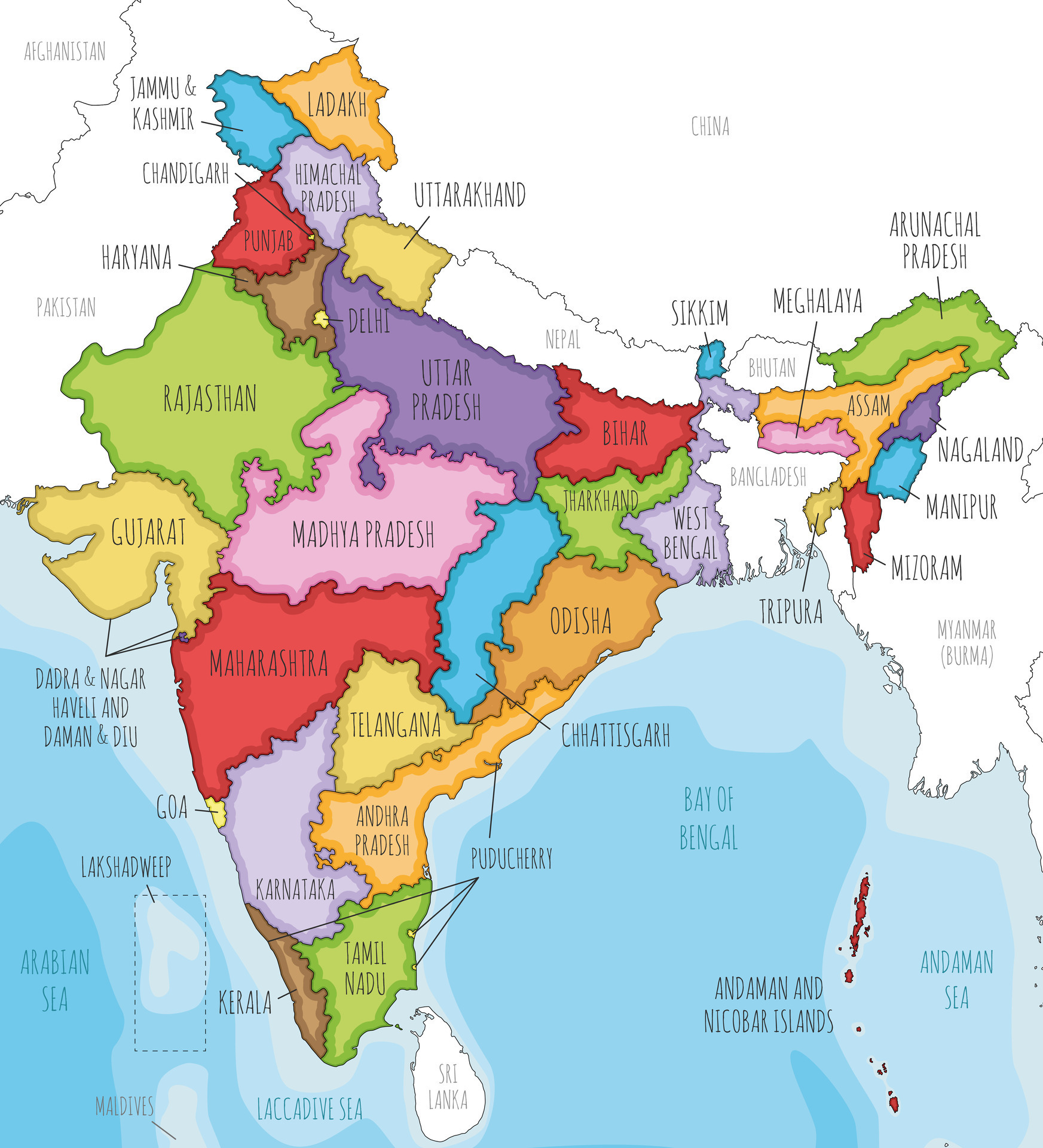
The U.S. Court of Appeals for the Sixth Circuit ruled against Kalshi, siding with states like Ohio and Tennessee. This decision follows a similar blow from the Ninth Circuit, establishing a clear legal trend. Courts are saying that if it walks like gambling and quacks like gambling, state governments can regulate it as gambling, regardless of federal registration.
The Core Conflict Between Federal Regulators and State Laws
At the heart of this legal war is a simple disagreement over definitions. Kalshi and other major players operate under the oversight of the Commodity Futures Trading Commission (CFTC). They register as designated contract markets, arguing that their event contracts are sophisticated financial derivatives or swaps rather than traditional wagers.
State regulators see things very differently. They argue that platforms offering contracts on sports outcomes, political elections, or pop culture events are running online sportsbooks and sweepstakes casinos without paying state taxes or following consumer protection laws.
The Sixth Circuit agreed, noting that the federal Commodity Exchange Act does not automatically preempt state authority over gambling. When a platform offers sports-event contracts to everyday users, state gaming commissions have every right to step in.
Why This Circuit Split Points Straight to the Supreme Court
Right now, federal appeals courts are divided. Earlier this year, the Third Circuit handed Kalshi a win by blocking New Jersey from enforcing state gambling rules against the platform, ruling that federal law took precedence.
With the Sixth and Ninth Circuits now ruling the exact opposite way, the judicial system is split right down the middle. Conflicting appellate rulings make national business operations a nightmare. Companies can't comply with federal approval in one state while facing criminal or civil enforcement in another.
Legal experts agree this chaotic patchwork cannot stand. The dispute is destined for the U.S. Supreme Court. Until the highest court steps in to clarify whether the CFTC has exclusive control over event contracts, prediction markets face an uphill battle state by state.
What This Means for Users and Traders
If you trade on prediction platforms, this legal friction creates immediate headaches.
- Geofencing Expansion: Platforms may start blocking users in aggressive states to avoid lawsuits from local attorneys general.
- Higher Costs and Compliance: If platforms have to license themselves as gambling operators in dozens of different states, compliance costs will skyrocket, eating into user liquidity and payouts.
- Product Restrictions: Sports-related and pop-culture event contracts are the primary targets of state regulators. Expect these specific categories to face sudden bans or severe trading limits in restrictive jurisdictions.
The narrative that prediction markets operate in a clean regulatory loophole is officially dead. States want their cut, and federal courts are handing them the keys.
Check your local state gaming commission guidelines before funding your next trade, because the legal ground beneath these platforms is shifting fast.