You won't find many films that make an entire festival crowd sit in absolute, stunned silence. Yet that's precisely what happened at the Venice Film Festival when NAZA premiered.
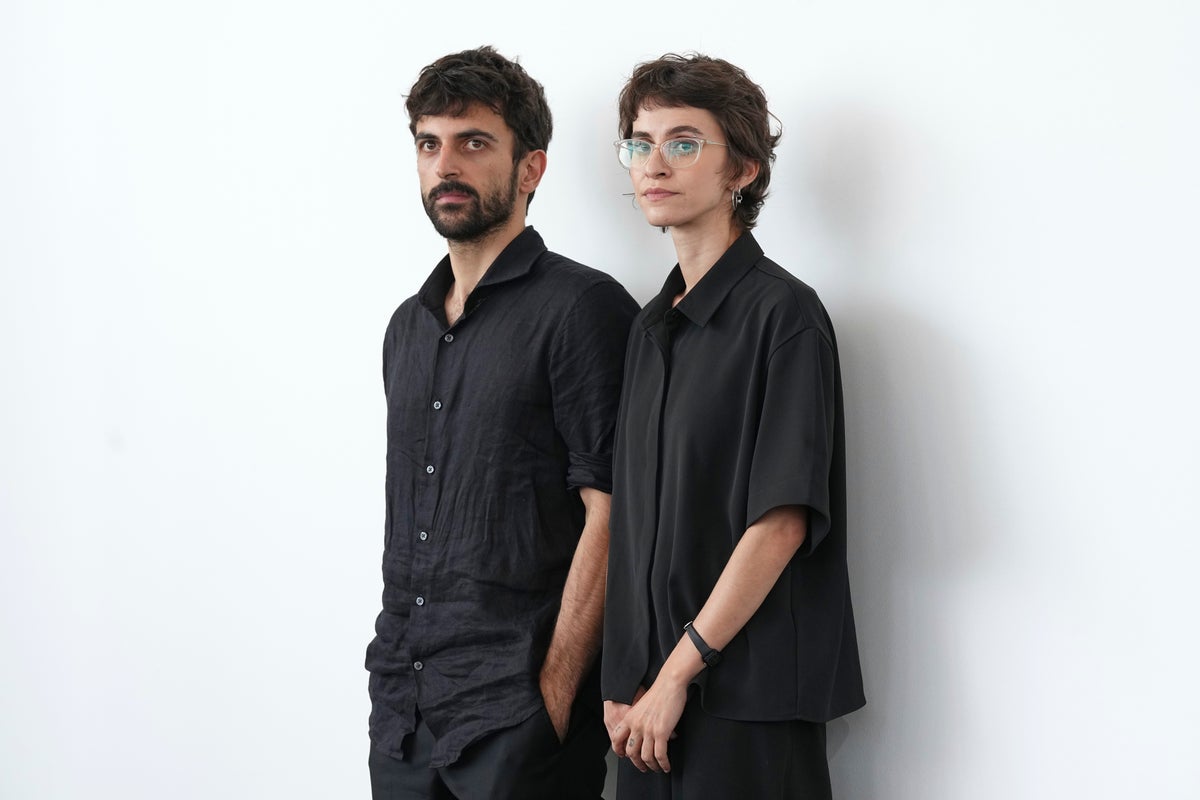
Directed by Yuval Abraham and Rachel Szor—the creative minds behind the Oscar-winning documentary No Other Land—this new project pulls back the curtain on the mechanics of modern warfare. It features testimonies from 24 Israeli military insiders, including intelligence officers and soldiers. They describe systems of remote bombing and surveillance that rely heavily on automated calculations to identify targets in Gaza.
If you're wondering why this specific film is generating massive controversy and drawing intense global media scrutiny, let's look at the mechanics behind its creation and why it matters so much.
The Secret Rooftops of Tel Aviv
Making a film of this scale isn't like shooting a standard documentary. Abraham and Szor spent three years working in secret. They filmed interviews at night on rooftops across Tel Aviv, utilizing ambient cityscapes to frame a deeply unsettling contrast between ordinary urban life and the devastation occurring just miles away.
To protect their sources, the filmmakers obscured every subject's identity. Voices and appearances were digitally altered. You have to ask yourself what kind of climate forces active or former military personnel to speak in literal shadows about government operations. According to the directors, some of the 24 insiders showed remorse, while others spoke with indifference or pride. Regardless of personal motivation, their collective testimony paints a chilling picture of an administrative machinery optimized for destruction.
What NAZA Actually Exposes About AI Warfare
The title itself comes from an internal military acronym used as shorthand for civilian casualties, including men, women, and children. It functions as a numerical projection of collateral damage allowed per strike.
The documentary details how automated algorithms map out potential low-ranking Hamas targets based on communication patterns, leading to night bombings of residential buildings where entire families sleep. The interviewees reject the conventional narrative of human shields, arguing instead that algorithmic targeting has mechanized decisions that historically required intense human oversight.
Produced by The Guardian and James Wilson alongside executive producer Jonathan Glazer—the team behind the Holocaust drama The Zone of Interest—the film adopts Glazer’s thematic philosophy: keep the victims out of the immediate frame, but never let the audience forget them.
The Festival Reception and Global Fallout
As the sole documentary competing for the prestigious Golden Lion award at Venice, NAZA arrived as a late addition to the lineup. Producer James Wilson noted that the delay was intentional to ensure absolute anonymity for the sources.
Festival artistic director Alberto Barbera called the work politically disruptive and cinematically groundbreaking. That description undersells the immediate political fallout. The documentary builds directly upon investigative journalism previously published between 2023 and 2025 by outlets like +972 Magazine, Local Call, and The Guardian. But seeing military cogs describe these operational protocols on camera changes the psychological weight of the data.
Critics have pointed out the obvious limitations of anonymous sources. Without names and faces attached to the admissions, the weight of individual accountability shifts entirely to the systemic critique. Yet Abraham remains firm on the film's core purpose. Over 73,000 Palestinians have been killed in Gaza since the war started following Hamas's October 7 attacks—which killed roughly 1,200 people—and the directors argue that the world needs to confront how bureaucratic systems permitted this scale of loss.
What Happens Next
You can expect intense political blowback and censorship attempts as NAZA secures international distribution. Governments will debate its legitimacy, and critics will argue over its framing.
If you want to understand the modern intersection of cinema, state intelligence, and investigative journalism, watch how this film travels through international markets. Pay close attention to how institutional powers respond to whistleblowers who choose digital disguise over silence. The conversation has only just begun.


