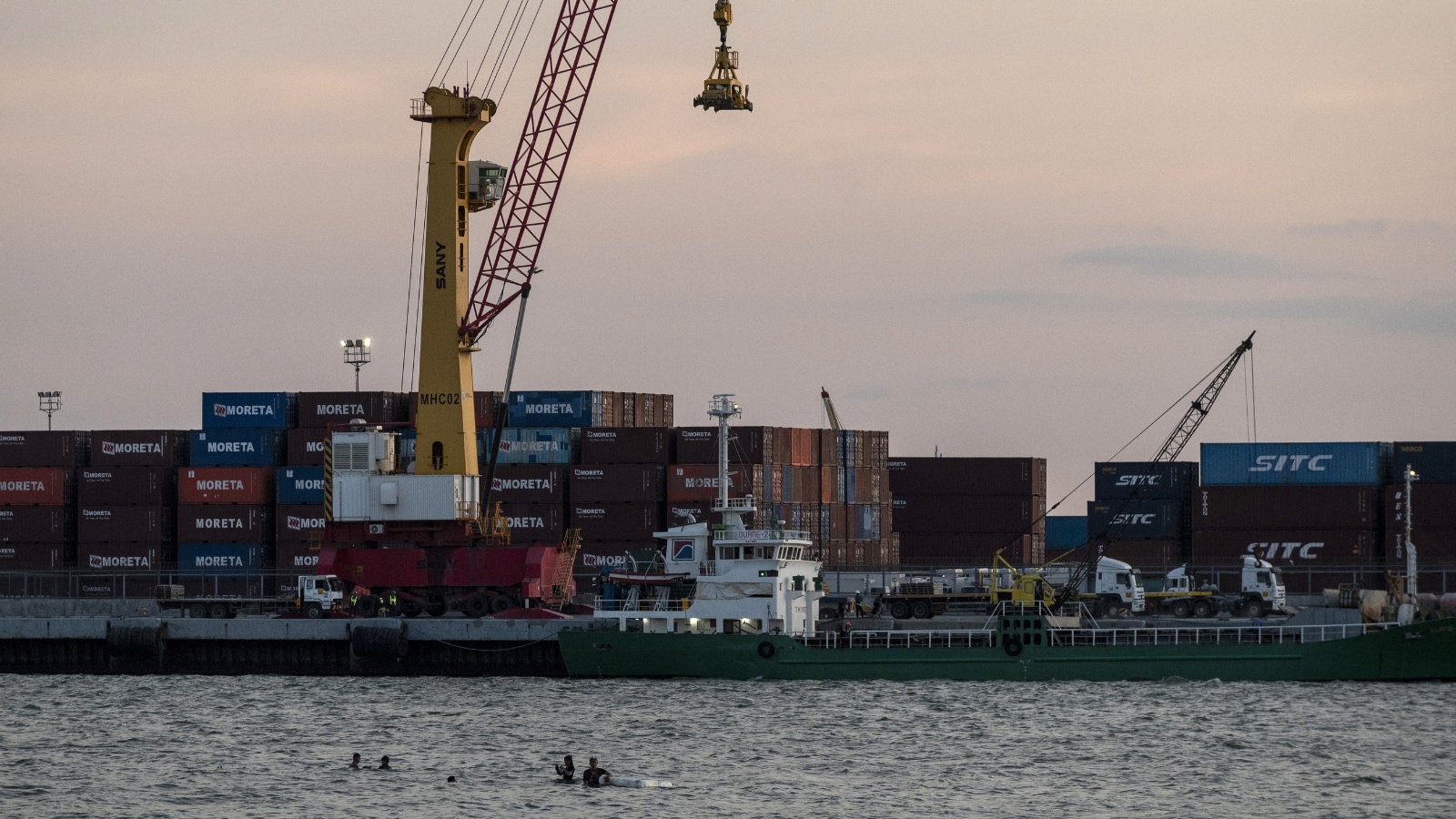
Global trade is messy. Tariffs change overnight, supply chains break, and companies are left scrambling for alternatives. Enter the European Union and the Philippines. They just reached a substantial agreement on a free trade deal.
If you think this is just standard bureaucratic news, look closer. This pact is designed to bulletproof supply chains against intense global trade volatility and aggressive tariff policies. Let's look at what is actually happening behind closed doors and why it changes things for businesses operating in Southeast Asia and Europe. You might also find this related article insightful: Why Andy Burnham's Buy British Strategy Will Likely Cost Taxpayers More Than It Saves.
The Push for Supply Chain Resilience
Global markets are tired of putting all their eggs in one basket. Between shifting geopolitical tensions and unpredictable trade barriers, reliance on single manufacturing hubs is a major liability. The European Union wants options. The Philippines wants investment.
Six rounds of rigorous negotiations brought Brussels and Manila to this turning point. European Commission President Ursula von der Leyen and Philippine President Ferdinand Marcos Jr. pushed this deal across the finish line to create a predictable framework for trade and investment. It replaces older, less dependable mechanisms like the GSP+ system with a modern, comprehensive agreement covering goods, services, and government procurement. As reported in recent articles by Bloomberg, the results are widespread.
What Changes for Exporters and Industries
If you manage an import-export operation or source materials from Southeast Asia, you care about predictability. Tariffs hurt margins. Unclear regulations kill deals.
This new framework sets clear rules. It covers high-growth sectors like semiconductors, critical minerals, agriculture, and digital services. European businesses gain smoother access to a booming consumer market. Philippine exporters get reliable entry into the massive European economic bloc without facing arbitrary tariff walls.
- Lower barriers for agricultural goods and tech components.
- Clearer rules for government procurement contracts.
- Stronger protections for foreign direct investments.
Moving Past the Past
Let's be honest. Trade talks between the EU and the Philippines haven't always moved fast. Negotiations started way back in 2015, only to stall out two years later. They sat dormant until talks formally resumed in 2024.
Why did it work this time? Urgency. The global economic landscape shifted dramatically. With major economies imposing steep tariffs and disrupting traditional trade routes, both regions recognized they needed reliable partners outside their usual spheres. Speed is the priority now. Negotiators have explicit instructions to finalize the legal text as fast as possible.
What You Should Do Next
Don't wait for the ink to dry completely before you adjust your strategy. If you operate in manufacturing, technology, or agriculture, start mapping out how lower trade barriers affect your cost structure. Review your current supplier lists. Look at how Philippine manufacturing hubs might fit into your long-term logistics framework.
Adaptability wins in today's market. Keep a close eye on the upcoming ratification timelines in both the Philippine Congress and the European Parliament so you can capitalize on the new rules from day one.