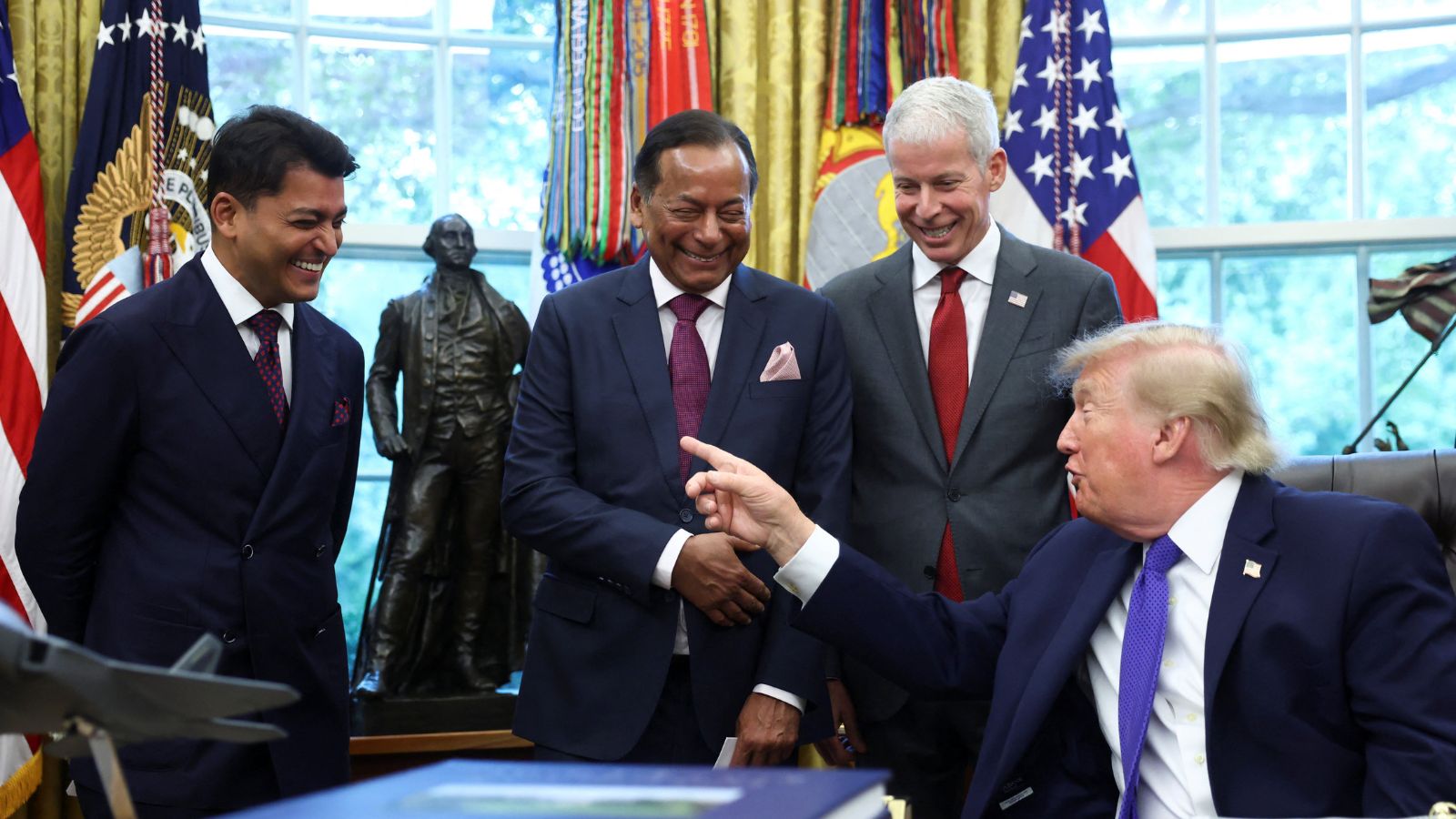
Big industrial announcements usually get met with a collective yawn. Politicians love a good photo-op with hard hats and shiny blueprints. But when President Trump stepped up to announce a massive $15 billion steel plant slated for Iowa, built by Mesabi Metallics, the sheer scale caught people off guard. We're talking about what the White House claims is the largest steel facility in American history.
Let's break down what's actually happening behind the press releases. If you enjoyed this post, you might want to check out: this related article.
The Numbers Behind the Iowa Project
Fifteen billion dollars is a staggering amount of capital for a single manufacturing site. The project aims to bring over 2,000 direct jobs to the region, with construction stretching across the coming years. Mesabi Metallics is steering the ship, backed by industrial conglomerate Essar Group, tying the project into broader supply chain conversations.
If you're wondering when you'll actually see steel rolling out of this facility, don't hold your breath for tomorrow. Industry analysts note that production isn't expected to ramp up until 2030 at the earliest. Mega-projects of this magnitude face massive regulatory hurdles, environmental reviews, and supply chain bottlenecks long before the first foundation gets poured. For another perspective on this development, check out the recent coverage from Business Insider.
Why Iowa and Why Now
Location matters. Iowa sits right in America's industrial heartland, offering strategic rail and river logistics access. Placing a multi-billion-dollar steel plant in a crucial red state also sends a clear political and economic signal about domestic manufacturing priorities.
Domestic steel production has always been a political flashpoint. Administrations of both parties talk endlessly about bringing heavy industry back home. Yet, building a plant from scratch is vastly different from keeping existing, aging mills afloat. The bet here is that long-term demand for domestic infrastructure, construction, and defense needs will justify an investment of this size.
What Skeptics Are Pointing Out
Honesty is required when looking at multi-billion-dollar industrial promises. Critics and sector experts always raise valid concerns about execution timelines. Delays are practically guaranteed on projects this large. Environmental permits take years. Financing structures for private-public heavy industry ventures can shift rapidly based on macroeconomic conditions, interest rates, and global metal markets.
Moreover, the global steel market is volatile. Foreign competition, fluctuating raw material costs, and shifting environmental regulations mean that a facility opening in 2030 will enter a completely different economic landscape than the one we see today.
What You Should Watch Next
Don't just look at the headlines. Pay attention to the ground-level execution milestones over the next twenty-four months. Look for concrete updates on land acquisition, finalized environmental permits, and actual equipment procurement. Those are the real indicators of whether a mega-project will survive the transition from political announcement to physical reality.
Keep your eye on the local workforce development initiatives in Iowa, too. Building the plant is one challenge; training thousands of specialized technicians and engineers to run a state-of-the-art facility is an entirely different hurdle.
If this plant succeeds, it reshapes the domestic manufacturing map. If it stalls, it joins a long list of ambitious industrial visions that looked great on paper. Watch the permits, track the capital flow, and ignore the noise.