Modern cars are basically recording studios on wheels. You roll up the windows, turn on the climate control, crank up your favorite album, and the outside world completely disappears. That acoustic isolation is great for your commute, but it creates a massive hazard when an emergency vehicle is flying up behind you with lights and sirens blazing.
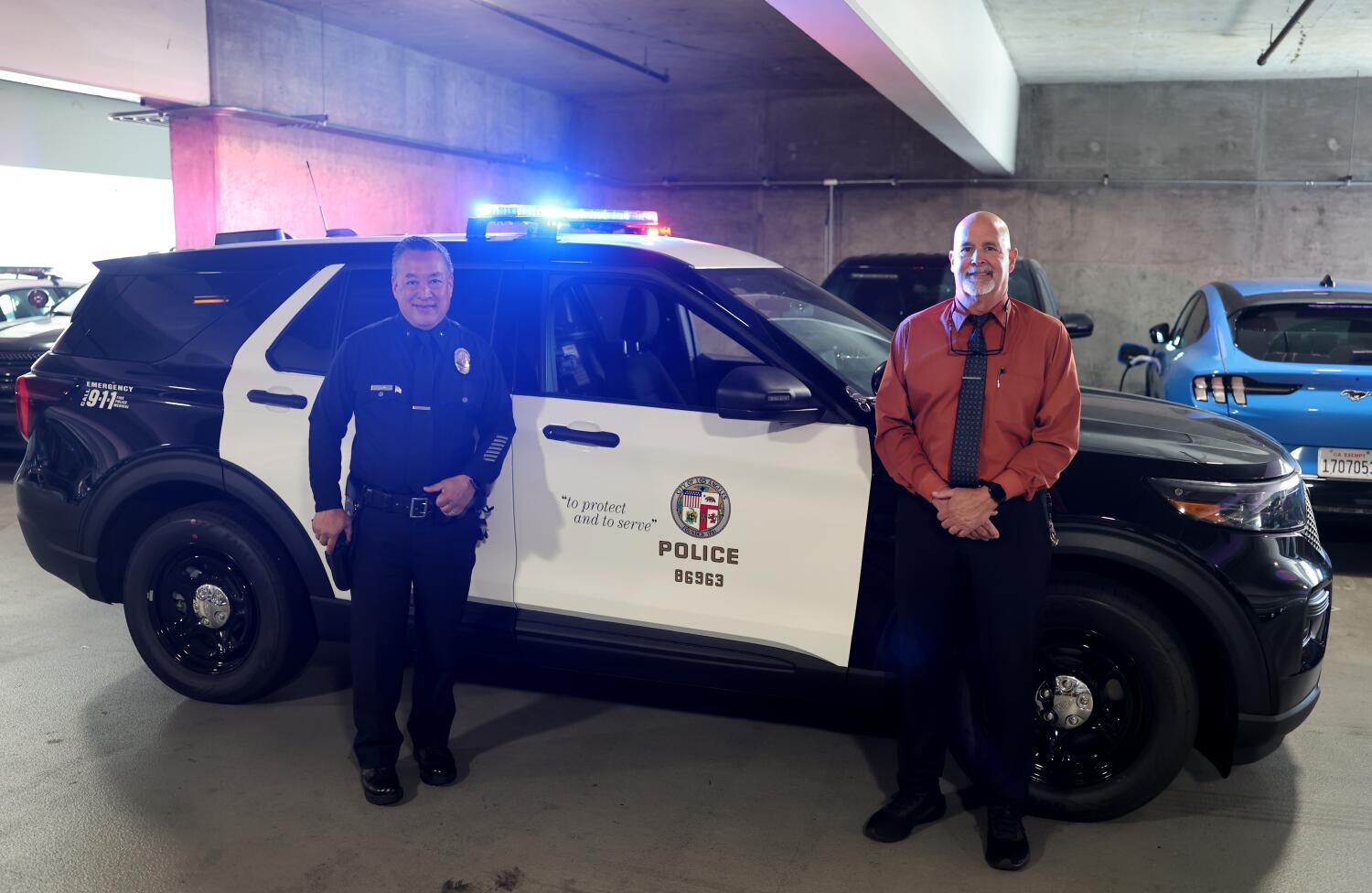
Enter the newest addition to the Los Angeles Police Department fleet: the Federal Signal Rumbler low-frequency siren.
If you spend any time driving through Los Angeles traffic, you're about to experience a very different kind of police response. The LAPD is rolling out these booming low-frequency speakers on its patrol vehicles to fix a problem that has plagued emergency responders for years. Drivers simply aren't hearing standard high-pitched sirens over their modern sound systems and heavy vehicle insulation.
The solution? A siren you don't just hear in your ears, but feel rattling through your entire chest cavity.
How The Rumbler Actually Works
Standard police sirens operate at a high frequency that cuts through open air easily. Yet, modern double-paned glass, advanced cabin insulation, and booming car stereos block those high pitches completely. You can have a cruiser right on your bumper and hear nothing until it's too late.
The Rumbler system tackles this physics problem head-on. Operating alongside the standard mechanical or electronic siren, the system drops the primary frequency by 75 percent and blasts it through heavy-duty 10-inch speakers mounted underneath the vehicle.
These low-frequency sound waves carry massive kinetic energy. They pass straight through steel doors, concrete barriers, and insulated glass. When an LAPD cruiser equipped with a Rumbler pulls up behind you, the floorboards vibrate. Your rearview mirror shakes. You feel it in your bones before your brain even registers the flashing lights.
The system triggers automatically for an eight-second cycle when the officer hits the horn or a specific switch, providing a quick pulse of heavy bass designed to snap distracted or isolated drivers out of their bubble.
The Pushback And The Fear Of Acoustic Assault
Whenever law enforcement introduces technology that rattles teeth, controversy follows closely behind.
When the New York Police Department adopted similar low-frequency systems back in 2009, critics immediately dubbed it an "acoustic assault" on citizens. Noise pollution advocates point out that urban environments are already loud enough without police cruisers doubling as rolling subwoofers.
Richard Tur, founder of the noise-monitoring organization NoiseOff, has raised valid concerns about whether bystanders really need to experience a siren pounding through their physical bodies while walking down a sidewalk. Low-frequency bass travels much farther through dense neighborhoods than high-pitched wails. That means residents living near major corridors or police precincts will hear—and feel—these vibrations echoing down city blocks late at night.
Critics argue that constant exposure to sudden, bone-rattling low-frequency blasts adds unnecessary stress to an already chaotic urban environment. Law enforcement officials see it differently.
LAPD Commander Blake Chow, a veteran leader overseeing support services, points to a daily reality on the streets. Officers rush toward high-priority calls every single shift, only to watch oblivious motorists sit completely frozen because they literally cannot hear the cruiser coming. When seconds count during an active emergency, failing to clear a path creates deadly collision risks for civilians and officers alike.
More Than Just Bass: The New Sync Modules
The Rumbler rollout isn't the only tech upgrade hitting LAPD black-and-whites. The department is also outfitting these newly configured patrol units with Federal Signal Sync Modules.
This secondary piece of hardware lets multiple police vehicles link their public address systems together. Instead of a disjointed mess of sound coming from different cruisers during a major incident, incident commanders can broadcast crystal-clear, synchronized pre-recorded safety announcements across wide areas.
Whether officers need to direct sudden evacuations, manage heavy crowd control, or give precise instructions during an emergency, the synchronized speakers ensure the message doesn't turn into unintelligible noise. Crucially, city vendor partners redesigned the vehicle interiors to integrate these systems at no extra cost to taxpayers.
What This Means For Your Daily Drive
The initial phase of the rollout targets a subset of the patrol fleet before a broader citywide expansion takes place. If you drive in Los Angeles, you need to change how you monitor your surroundings.
- Check your mirrors constantly: Do not rely on sound alone to alert you to emergency vehicles. Modern cabin isolation means a cruiser can be right behind you before you hear a peep.
- Expect physical feedback: If you feel a sudden, deep vibration in your seat or steering wheel while driving, do not panic. Check your dashboard lights and clear the right lane immediately.
- Give extra space: Because these low frequencies are designed to penetrate closed environments, they are especially loud and jarring for pedestrians and cyclists near intersections. Anticipate sudden stops from cars around you.
The era of the quiet cruiser is ending. Pay attention to the road, because the next time an emergency vehicle approaches, you won't just hear it coming—you will feel it in your chest.


