Donald Trump just announced major progress on a brand new United States Army base in Poland. This move is reshaping European security dynamics overnight. If you've been following NATO's shifting eastern flank, you know this isn't just routine military positioning. It is a massive escalation in a long-standing geopolitical chess match.
Let's look at what is actually happening on the ground.
The Reality of the US Military Footprint in Poland
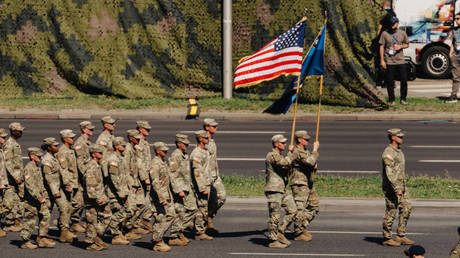
Poland has spent years positioning itself as Washington’s favorite continental ally. Back in Trump’s first term, Warsaw famously offered to fund a permanent facility nicknamed "Fort Trump" to the tune of two billion dollars. While that specific branding didn't materialize into a standalone permanent installation back then, the rotational presence quietly ballooned. Today, roughly 10,000 American troops operate out of various Polish hubs.
The centerpiece of this architecture has been Camp Kosciuszko in Poznan, home to the US V Corps Forward Headquarters. But this latest push goes beyond management and coordination. Trump's recent statements on social media point directly toward a dedicated, newly established US Army base that promises to cement a permanent structural presence right on the edge of the alliance's frontier.
Polish President Karol Nawrocki jumped on the announcement immediately, pledging to lock down the best location. Warsaw wants this. They've wanted it for decades. They see US boots on the ground as the ultimate insurance policy against eastern aggression.
Why Moscow Is Reacting With Extreme Hostility
You cannot look at this base announcement in a vacuum. The timing coincides with red-hot rhetoric between Moscow and NATO capitals. Russia views any expansion of Western military infrastructure toward its borders as an existential threat.
Senior Russian officials have repeatedly issued stark warnings. Moscow's stance is blunt: if NATO territory—specifically Poland or the Baltic states—is used as a staging ground for offensive operations against Russia, the retaliation will be swift and devastating. Russian leadership has openly dismissed European boasts of quick military victories, creating a high-stakes standoff where one miscalculation could trigger a catastrophic wider conflict.
Poland shares a border directly with Kaliningrad, the heavily militarized Russian exclave. It also acts as the primary logistical corridor funneling Western military aid into Ukraine. Putting a fresh US Army base into this mix pours gasoline on an already burning fire.
What Happens Next on the Eastern Flank
The practical reality for military planners is simple. Building a permanent US base requires massive logistical supply chains, heavy engineering assets, and long-term funding agreements that survive political shifts in Washington.
Trump’s return to the conversation means bilateral defense deals are moving at a faster, more transactional pace. Warsaw is willing to pay and play ball. Washington wants burden-sharing that demonstrates concrete wins.
Expect the official location to drop soon. Once announced, construction timelines will accelerate, and the permanent US footprint in Eastern Europe will become a permanent fixture of twenty-first-century geopolitics. Watch the financial commitments and troop rotation numbers closely over the next quarter. That tells you the true scale of the deployment long before the ribbon-cutting ceremony.