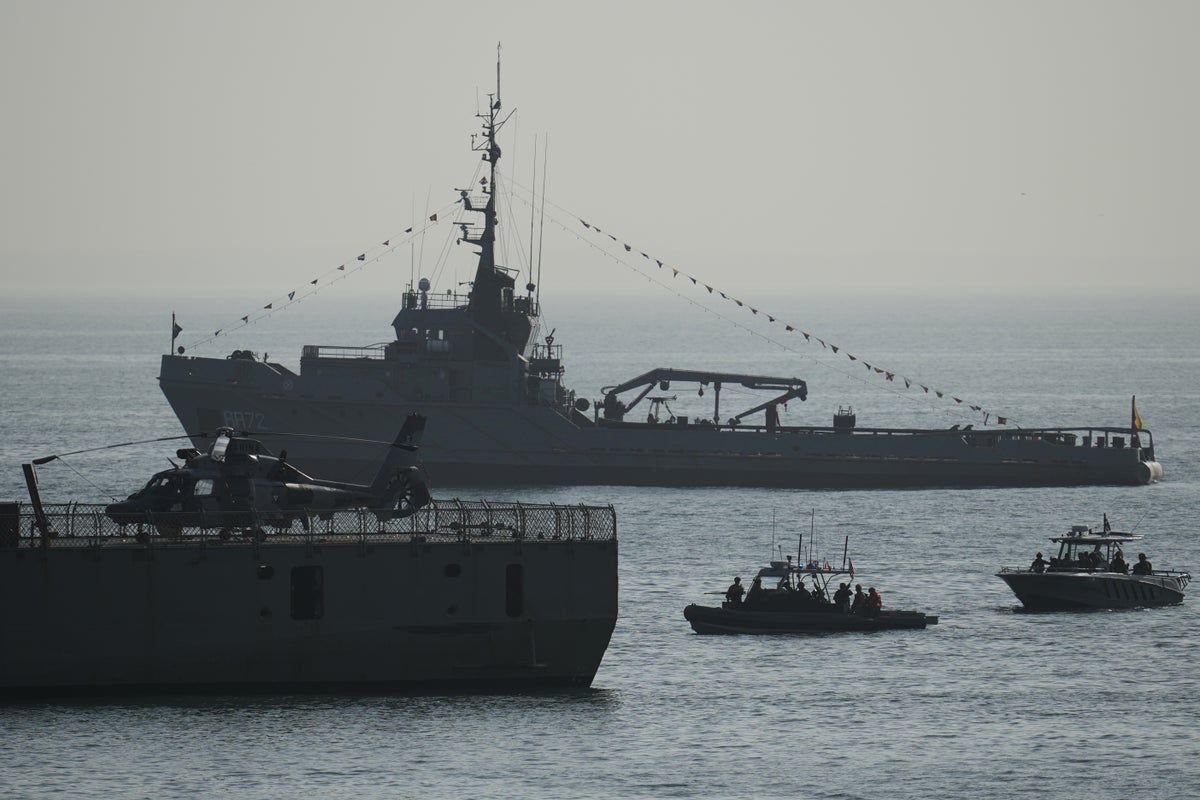
The rules of engagement in the Western Hemisphere just shifted. If you’ve been paying attention to Washington’s recent maneuvers, you know the U.S. military is no longer content with just monitoring coastlines. After a year of lethal strikes on vessels suspected of drug trafficking, the Trump administration is pushing to bring that same aggressive combat model onto land.
This isn’t just a tactical tweak. It’s a full-scale redesign of how the United States projects power in its own backyard.
The end of the offshore focus
For decades, U.S. strategy in Latin America was largely defined by training, intelligence sharing, and the occasional drone or naval patrol. The goal was to prop up local security forces, not to lead the charge. That’s gone.
Since the start of 2025, we’ve seen a shift toward direct, unilateral, and joint combat operations. The administration has already notched over 60 boat strikes, resulting in hundreds of fatalities. Now, Defense Secretary Pete Hegseth is signaling that the jungle is the next front. By bringing these operations to land—specifically mentioning deals with nations like Colombia, Honduras, and Ecuador—Washington is effectively treating regional criminal groups like globally recognized terrorist entities.
It’s an aggressive play. It’s also incredibly risky.
Why this strategy is fundamentally different
When you talk to experts, they’ll tell you this is a departure from the "advisory" role of the past. The danger here lies in the blur between fighting cartels and occupying territory.
In Colombia, for instance, the internal conflict with groups like the ELN is complex. These aren't just roaming bands of criminals; they are deeply entrenched in the social fabric of rural areas. When you drop an airstrike or a commando team into those environments, you aren't just hitting a target. You are inviting a massive, often violent, blowback from civilian populations and armed factions that don't differentiate between a local government unit and a U.S. advisor.
Think back to the incident in Ecuador, where a strike on an alleged drug lab turned out to be a private cattle farm. That’s the reality of intelligence-led warfare in dense, rural environments. When the margin for error is this slim, the cost of being wrong is catastrophic.
The sovereignty trap
Voters in Latin America are fed up with crime. That’s why conservative leaders are winning elections. They promised action, and Washington is providing the muscle. But there is a ceiling to how much foreign military presence a domestic population will tolerate, regardless of political affiliation.
Look at Guatemala. Despite having a government that leans toward cooperation, they’ve already pushed back on the idea of joint ground operations. They know that handing over control of their national security—and the sovereignty of their soil—is a quick way to lose the next election.
Even right-wing governments have to answer to their people. If U.S. forces start operating on the ground in high-profile raids, the narrative changes from "law and order" to "foreign occupation." That is a shift that creates more instability than it solves.
The tactical blind spot
There’s a common misconception that killing the "bad guys" stops the flow of narcotics. It doesn't. Drug trafficking isn't a static target that stays in a camp waiting to be hit. It is a liquid industry.
If you hammer an armed group in one sector, they don't just disappear. They scatter. They move into villages, they blend in with civilians, and they refine their logistics to avoid the new threat. As observers like Jeremy McDermott of InSight Crime have pointed out, military strikes often force these groups to adapt by becoming even more integrated into local towns. That makes them harder to target and makes the local population more vulnerable to collateral damage.
What to watch for next
We are currently in a period of aggressive posturing. The U.S. is projecting dominance to offset setbacks in other parts of the world, like the Middle East. But you should watch three specific indicators to see if this strategy holds or if it collapses:
- The definition of "joint operations." If Washington insists on full operational control, expect major pushback from even its closest allies.
- Civilian casualty reports. One high-profile mistake involving non-combatants will trigger a massive political backlash that no regional leader can ignore.
- Mexican resistance. Mexico is the linchpin. If they continue to refuse a U.S. military footprint on their soil, the current strategy will remain fragmented and ineffective.
This isn't about whether or not drug trafficking is a problem. It’s about whether a military hammer is the right tool for a problem that is, at its core, political and economic. The administration is banking on the idea that they can simply force stability through air superiority and special ops. History suggests that in this part of the world, that approach usually ends with the U.S. deeply entangled in a local conflict it didn't plan for and can't easily exit.
We’re about to find out if 2026 is the year the U.S. finally learns that lesson, or if it’s just the beginning of a much longer, more volatile intervention. Proceed with caution.