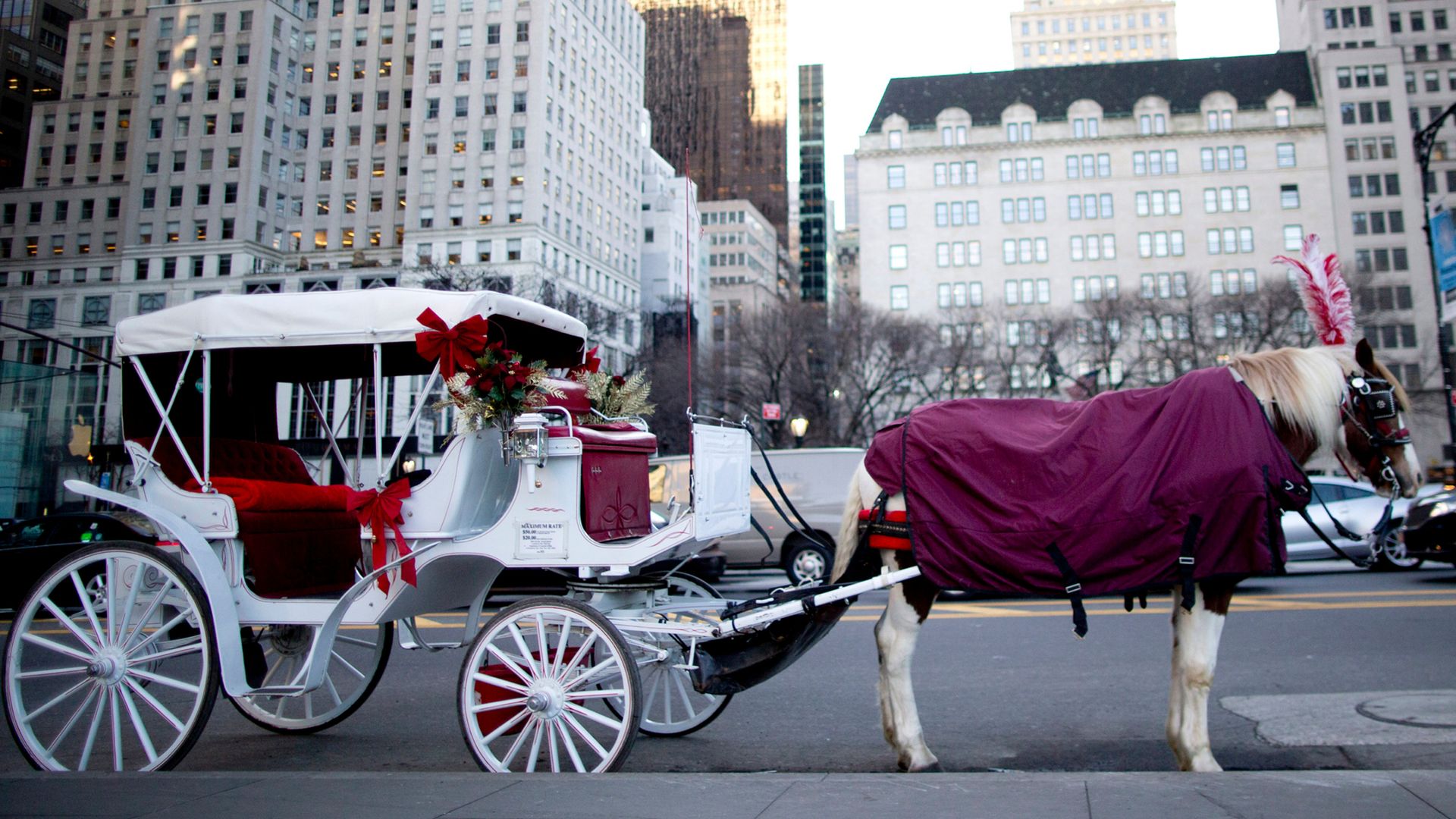
For more than a century, the clip-clop of hooves through Central Park felt like a permanent fixture of Manhattan tourism. But that postcard-ready tradition is heading toward extinction. New York City lawmakers are moving to ban horse-drawn carriages following a fatal accident that claimed the life of an 18-year-old tourist named Romanch Mahajan.
The City Council is expected to pass a bill that will phase out the rides by 2028. While animal rights activists have spent decades fighting to end the practice over welfare concerns, it took a human tragedy to finally shift the political math.
If you've ever walked past the grand army plaza or visited the park's south entrance, you've probably seen the long lines of tourists waiting to board these carriages. You've also likely smelled the manure or noticed how narrow the lanes are when a frightened animal shares asphalt with taxis, electric bikes, and furious pedestrians.
What Happened to Change the Equation
The turning point arrived in June when an 18-year-old visitor from out of town was killed during a family ride. According to accounts shared by his family, the horse bolted unexpectedly while the driver had briefly stepped away to take a photo. When the mother was thrown from her seat, Romanch leapt from the moving carriage to protect her. He suffered fatal head injuries when he hit the pavement, while the runaway carriage careened into another vehicle before overturning.
His father, Deepak Mahajan, later told city leaders about the sheer terror inside that runaway carriage. That testimony broke through years of legislative gridlock. City Council Speaker Julie Menin stated that the status quo is no longer acceptable, noting that the tradition has transformed into a public safety hazard. Mayor Zohran Mamdani reached a deal with council leadership on the incoming legislation, signaling that the industry's days are officially numbered.
The Clash Over Public Safety and Livelihoods
You won't find universal agreement on this decision. The debate splits city residents and labor groups down the middle.
On one side, safety advocates and families of victims argue that mixing heavy, easily spooked animals with modern urban traffic is a disaster waiting to happen. Central Park and its surrounding avenues are louder, busier, and more chaotic than they were fifty years ago.
On the other side, the Transport Workers Union and carriage owners defend the trade fiercely. They point out that the industry provides steady employment for dozens of drivers, stable hands, and farriers—many of whom are immigrants supporting families in a notoriously expensive city. Workers have argued that single tragic incidents shouldn't wipe out a historic profession that is heavily regulated. Existing city rules already mandate that horses receive at least five weeks of vacation outside the city each year, undergo veterinary checks twice a year, and retire by age 26. They are also barred from working when temperatures spike above 89 degrees.
Yet regulations couldn't stop the unpredictable nature of prey animals reacting to modern city noise.
What Happens Next for the Industry
The upcoming legislation does include provisions to soften the blow for workers. The proposal directs the mayor to build a workforce transition plan, offering potential compensation or retraining for drivers and stable employees. It also includes strict guardrails for the animals, requiring that carriage owners dispose of or rehome horses humanely, banning any sale to slaughterhouses.
For decades, mayors tried and failed to ban the carriages, getting boxed out by union lobbying and stubborn political inertia. This time feels different because the cost shifted from animal welfare debates to human lives.
The iconic horse-drawn carriage is a relic of a slower era. Manhattan outgrew it long ago. By 2028, Central Park will look very different, and the only traffic left on those paths will be bicycles, runners, and pedestrians.