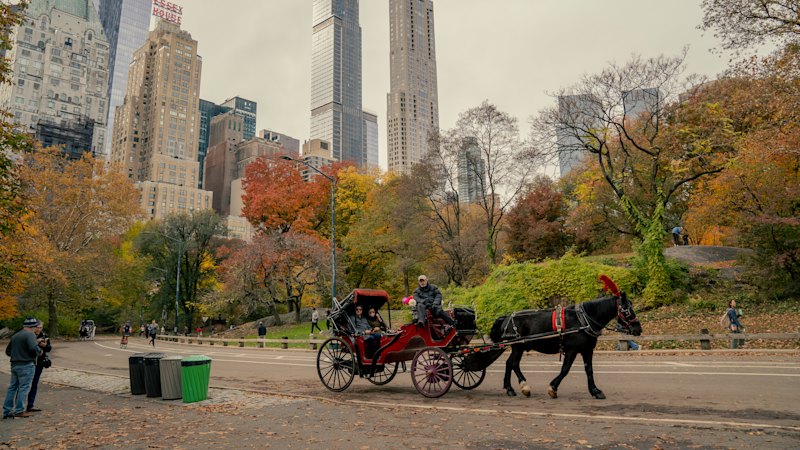
For over a century and a half, clacking hooves and polished leather carriages have been as synonymous with Central Park as concrete and skyscrapers. That era is coming to a close. Mayor Zohran Mamdani and City Council Speaker Julie Menin have struck a deal on legislation to ban horse-drawn carriages in New York City, targeting a June 1, 2028 enforcement date. A vote is scheduled for October 22, and with 29 built-in sponsors, the bill has the numbers to cross the finish line.
If you think this is just another political skirmish over animal welfare, look closer. This decision marks the collision of modern urban safety demands, shifting public sentiment, and an economic crisis for dozens of workers who rely on the trade.
The Tragedy That Broke the Status Quo
Politics usually moves at a glacial pace in New York, but public outrage moves much faster. The momentum behind this upcoming ban didn't emerge in a vacuum. On June 17, an 18-year-old tourist named Romanch Mahajan fell off a runaway carriage during a family trip and died. It was the first fatality of its kind in Central Park history.
Data compiled by the Central Park Conservancy shows at least seven people—including drivers and visitors—were injured in carriage-related incidents starting in May 2025 alone. A poll conducted by the Conservancy revealed that 68 percent of New Yorkers backed an outright ban following Mahajan's death. When public safety risks reach the point of fatal accidents, nostalgia loses its voting power.
Former Mayor Bill tried and failed to ban the industry back in 2013 because he lacked City Council backing. Mayor Mamdani’s administration faces a very different political climate. Public patience for urban animal labor has cratered.
Inside the Numbers of the Carriage Industry
Let's look at the actual footprint of the trade today. Right now, 68 horse cabs operate across Central Park. They employ about 150 drivers and house over 180 horses, primarily across stables like Clinton Park Stables, which has stood for more than 150 years.
Industry representatives like Christina Hansen point out a harsh economic reality: taking care of a single horse, like her horse Sherman, costs roughly $10,000 annually. Drivers argue that e-bikes and scooters cause far more accidents in the park than horses do. Yet, the statistical argument hasn't stopped the political tide.
The proposed legislation includes strict rules to protect the animals once the ban takes effect. Owners are forbidden from selling or transferring licensed horses to slaughterhouses or other carriage businesses. They must notify the Health Department and the Mayor’s Office of Animal Welfare ten days before disposing of a horse. Anyone caught running a carriage after June 1, 2028, faces a steep $10,000 civil penalty.
The Problem With the Exit Strategy
Banning an industry is easy; managing the fallout is messy. The amended bill mandates that city agencies deliver a support plan for drivers, owners, and stable workers by April 1, 2027.
Here is the catch that has union leaders furious: the legislation only requires the city to consider compensating carriage owners. It doesn't guarantee actual financial payouts.
Transport Workers Union International President John Samuelsen didn't mince words, labeling the deal political opportunism that offers zero meaningful economic relief for workers. Christina Hansen highlights that no fund currently exists to cover the veterinary and care costs for horses like Sherman over the next two decades of their natural lives. Stables face imminent closure, and drivers face sudden unemployment without a guaranteed safety net.
What Happens Next
The city council vote on October 22 is basically a formality. The real battle shifts to how the city handles the transition between now and 2028.
If you're planning a trip to Manhattan anytime soon, expect to see horse carriages operating normally for a couple more years. But the countdown has started. Tourists will need to trade romanticized horse loops for walking tours, pedicabs, or electric shuttles. Central Park is evolving, leaving behind a 150-year-old tradition that simply couldn't survive the modern city.