Every October, Stockholm's literary world plays an expensive guessing game. The Swedish Academy locks its doors, seals its nomination lists for fifty years, and leaves bookmakers to panic over odds. Critics throw around names like they hold secret phone numbers for the judges. But behind the annual frenzy for the Nobel Literature Prize sits a much bigger tension: an institution trying to fix decades of predictable bias while pretending the prize is purely about literary merit.
This week, the speculation centers heavily on authors outside the traditional Western establishment. Names like Antiguan-American novelist Jamaica Kincaid and Chinese avant-garde pioneer Can Xue surface constantly in European papers. Critics argue it's time for a Caribbean or Chinese woman to take the crown. Yet betting on the Nobel is a fool's errand. The Academy loves throwing curveballs just when bookmakers think they have the pattern figured out.
Breaking the Western Male Monopoly
Look at the history board and the numbers look grim. Since 1901, the prize has overwhelmingly favored European and American men. Out of 122 laureates, only 18 are women. Entire continents are practically invisible. You won't find a single laureate writing in an African language. Asian and Middle Eastern languages barely register.
When the Swedish Academy gave the honor to Hungarian writer László Krasznahorkai, cultural editors in Stockholm groaned. It felt like a retreat to familiar turf—another heavy-hitting European male novelist. Critics argued the committee needed to distance itself from its old habits.
That pressure intensified after the 2018 sexual assault scandal that forced a massive overhaul of the Academy's membership. Since that shakeup, roughly half the laureates have been women, shifting the optics of the institution. But members insist quotas don't exist. They claim they judge sentences, not passports or gender pronouns.
The Contenders Everyone Is Talking About
Jamaica Kincaid's name has floated around Nobel circles for years. Her 1990 novel Lucy hits you with prose so sharp it takes your breath away in the first three lines. Her writing dissects the brutal legacy of colonialism, race, and family dynamics with zero sentimentality. On top of her literary weight, her outspoken political critiques make her a fascinating wild card.
Then there is Can Xue. Her surrealist fiction feels like Franz Kafka got rewritten in modern China. Her work terrifies traditionalists and thrills experimental readers. Giving the prize to Can Xue would signal a dramatic pivot toward avant-garde Asian literature that operates entirely outside Western realism.
Meanwhile, other critics point toward South America. A fresh wave of women writers across Argentina and Mexico—writers like Samanta Schweblin and Cristina Rivera Garza—are redefining Spanish-language literature with dark, unsettling narratives. Yet the last South American to win was Mario Vargas Llosa way back in 2010.
What the Betting Markets Always Miss
Bookmakers love favorites, but the Nobel committee operates on its own timeline. Writers are honored for a lifetime of work, not a breakout single book. That means veterans often wait decades while younger, trendier names get hyped up by international media.
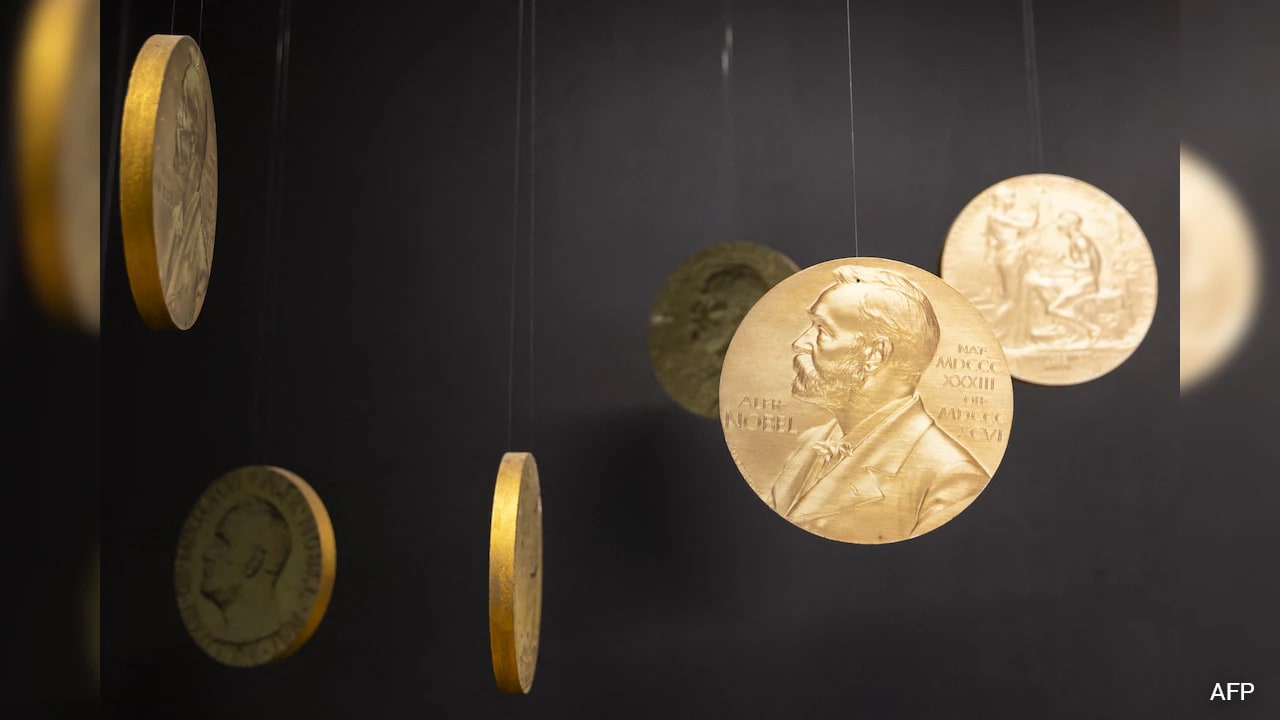
If you want to understand who wins, stop reading the betting odds and start looking at translation trends, geopolitical positioning, and cultural blind spots the Academy is currently trying to cure. The announcement lands on Thursday at 1:00 pm Stockholm time. A massive cash prize, a gold medal, and a diploma go to whoever survives the secret ballot. Until then, the pundits will keep guessing, and the Academy will keep surprising everyone.