Pyongyang doesn't waste time when it comes to denying cyberattacks, but its latest response to the record-breaking Binance breach is sharper than usual. High-ranking officials hit back hard against American investigators, calling the accusations a trite provocation designed to tarnish the state's image.
When hackers walked away with over six billion dollars in virtual assets from Binance, the digital asset world froze. Law enforcement agencies quickly pointed fingers at state-sponsored actors operating out of North Korea, specifically tying the breach to the notorious TraderTraitor collective. Yet, the regime in Pyongyang refuses to take the blame, turning the tables on Washington with fierce diplomatic pushback.
Anatomy of a Record-Breaking Digital Heist
The scope of the Binance security breach dwarfs nearly every financial crime on record. Attackers targeted hot wallets across multiple blockchains, exploiting signing infrastructure vulnerabilities and executing swift, automated transfers before exchanges and security firms could react.
Blockchain analysis firms and the Federal Bureau of Investigation mobilized immediately. They tracked the movement of funds into Ethereum and other decentralized networks, noting patterns identical to previous high-profile thefts linked to North Korean cyber warfare divisions.
Investigators identified specific wallet addresses holding the stolen tokens, pressuring decentralized finance protocols and token issuers to freeze billions in assets. Even with emergency freezes, the sheer velocity of the operation left millions of investors scrambling and forced centralized exchanges to overhaul hot wallet security protocols overnight.
Pyongyang Strikes Back Against the FBI
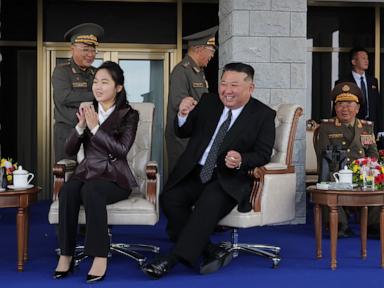
The diplomatic fallout arrived swiftly. Kim Yo Jong, the influential sister of North Korean leader Kim Jong Un, issued a blistering public statement dismissing the FBI's formal attribution as absurd rhetoric.
She argued that Washington routinely blames the Democratic People's Republic of Korea whenever international cyber incidents occur, framing the investigation as part of a persistent hostile policy designed to isolate the nation.
This rhetoric highlights a familiar geopolitical standoff. For years, Western intelligence agencies have accused North Korean state hackers of funding illicit weapons programs through cryptocurrency theft. Meanwhile, Pyongyang consistently denies these allegations, treating Western cybersecurity alerts as political propaganda rather than forensic fact.
The Real Challenge for Global Crypto Security
Blaming state actors doesn't recover lost funds or fix architectural flaws in exchange infrastructure. The Binance breach exposed dangerous vulnerabilities in multi-chain hot wallet management and automated signing systems.
Security researchers point out that standard cryptographic defenses failed because attackers managed to compromise the authorization layers used to process transactions at scale. Until exchanges implement stricter cold storage isolation and decentralized verification checks, billion-dollar heists will remain an attractive option for sophisticated threat groups, regardless of whether official denials come from Pyongyang or anywhere else.