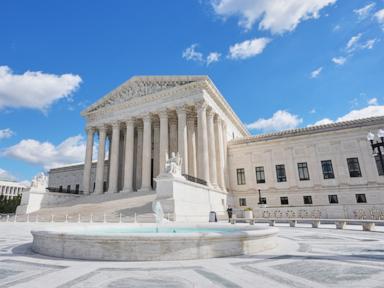
Imagine walking into a neighborhood video store back in 1988, picking out a tape, and trusting that your viewing habits wouldn't end up plastered across the morning paper. That exact trust is why Congress passed the Video Privacy Protection Act. It was a straightforward shield built for a physical era. Fast forward decades later, and that same statute is wreaking havoc in digital courtrooms, landing squarely on the docket of the Supreme Court.
If you're wondering how a relic from the VHS tape era became a high-stakes weapon in modern tech litigation, you aren't alone. Corporations are facing massive class-action exposure because of it. Let's break down why this antique legislation refuses to die and what it means for your digital footprint.
The Story Behind the Blockbuster Era Statute
Back in 1987, Robert Bork's Supreme Court nomination hit a bizarre snag. A local newspaper published a list of video tapes his family had rented from a Washington D.C. storefront. Congress panicked. Lawmakers realized that anyone's private entertainment choices could easily become public gossip if video merchants could hand over customer lists without restriction.
Lawmakers rushed the Video Privacy Protection Act through Congress, and President Ronald Reagan signed it into law. The rules were simple. Video tape service providers couldn't knowingly disclose a customer's personally identifiable rental history without explicit consent.
For years, the law sat quietly in the background while Blockbuster ruled the retail landscape, and eventually, physical stores faded into obsolescence. But the text of the statute didn't die with the VHS tape.
How a 1980s Law Targets Modern Trackers
Modern class-action attorneys realized something powerful. The statute doesn't explicitly restrict its definition to physical cassettes. It covers providers of audio-visual materials.
Suddenly, plaintiffs started filing lawsuits against websites, streaming platforms, and app developers. Whenever a website embeds a video and uses tracking pixels or analytics tools that share user behavior with third parties like Meta or Google, litigators smell a violation. If you sign up for a digital newsletter, watch a clip on a news site, or create a free account, lawyers argue you're a "subscriber" to a video service provider.
Corporations have spent millions defending against these claims. The legal theory stretches an 80s statute far beyond what any legislator back then could have imagined.
The Supreme Court Step In
The legal chaos reached a breaking point, forcing the Supreme Court to step in and clean up the mess. Circuit courts across the country have completely disagreed on how to interpret the law.
Some federal circuits ruled that a user doesn't even need to watch a video to qualify as a consumer under the law. Others took a much stricter approach, arguing that the statute was never meant to penalize standard websites just because they happen to host a digital clip or a newsletter.
When the Supreme Court agreed to hear Salazar v. Paramount Global, it took on a massive question. The justices have to decide whether the statutory definition of a consumer applies broadly to anyone who subscribes to any service, or whether it's strictly limited to actual video consumers.
This decision will determine whether thousands of active lawsuits survive or get thrown out of court.
What This Means for You
You might think corporate compliance disputes don't affect your daily life, but they reshape how the internet works. When laws are stretched to cover technologies their writers never envisioned, companies react defensively.
Websites change how they track analytics, alter how they handle accounts, and adjust what content they offer for free. While the core intent of the statute remains noble—protecting your personal habits from being sold to advertisers—using a 1980s rental law to police modern web pixels is a messy band-aid fix.
If the Supreme Court narrows the scope of the law, expect a wave of digital privacy lawsuits to collapse overnight. If they let the expansive interpretation stand, companies will have to radically overhaul how they handle user data and tracking tools.
Keep an eye on how this ruling shakes out. It proves an old legal truth. Laws rarely disappear; they just wait for a new technology to give them teeth.