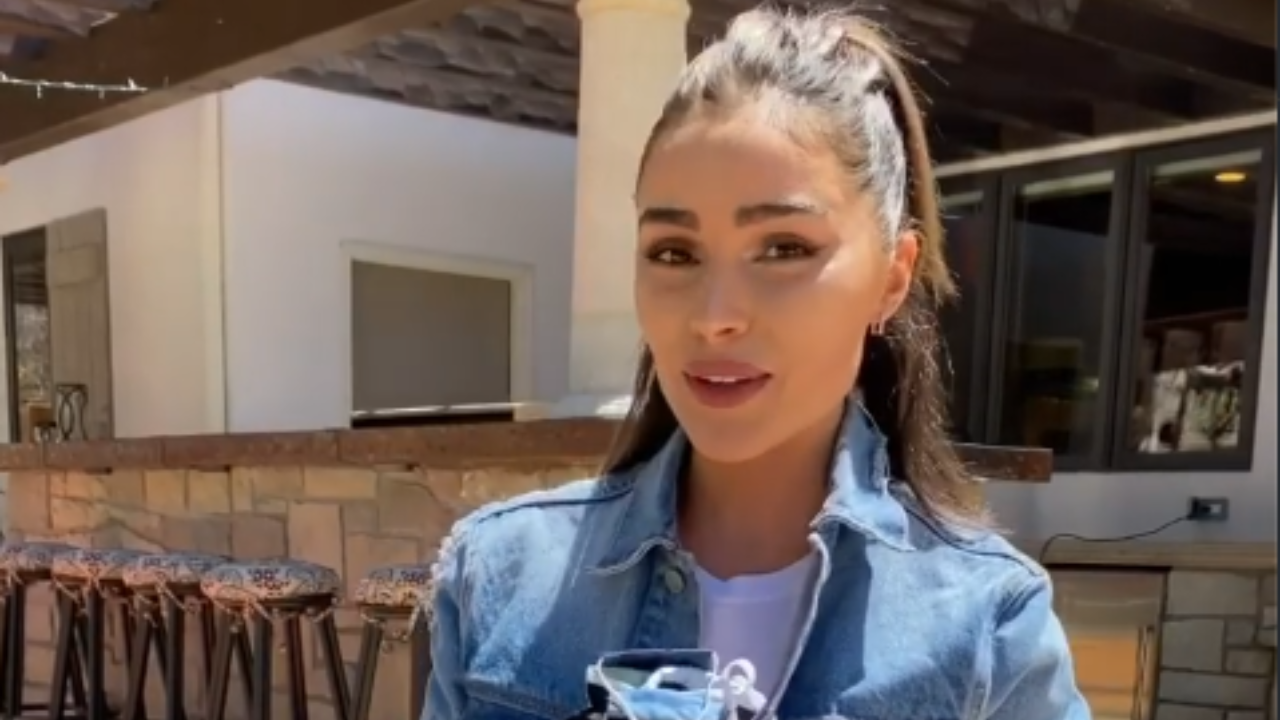
Food insecurity surged across America in 2020. Millions faced empty plates. Lockdowns forced schools shut, stripping children of the reliable meals they depended on daily.
Amid this widespread panic, model and entrepreneur Olivia Culpo experienced a heavy dose of survivor's guilt. Sitting in safety while others struggled, she chose action over rumination. She launched More Than a Mask, a direct initiative to fight pandemic hunger that eventually funded over three million meals through Feeding America.
Her 2025 Rhode Island Heritage Hall of Fame profile brought this effort back into the spotlight. But the story isn't just about a celebrity slapping her name on a product. It's a blueprint for turning sudden anxiety into practical, scalable relief.
The Birth of More Than a Mask
May 2020 looked bleak. Mask mandates rolled out nationwide, and protective gear remained scarce or reserved for frontline workers. Culpo celebrated her 28th birthday by announcing a partnership with Reunited Clothing to sell non-surgical fashion masks priced at twenty dollars.
Instead of pocketing profits or donating meager portions, the model structured the brand for direct impact. Each mask sold during the initial launch provided one hundred meals to Feeding America. The designs weren't boring medical blues. They featured animal prints, satin, and denim—items people actually wanted to wear.
"I felt horrible. I felt guilty," Culpo admitted in interviews regarding her mindset at the time. "I knew how fortunate I was... so I channelled that and really asked myself how I could make a difference."
Instead of posting a black square or offering thoughts and prayers, she set up an operational supply chain. That distinction matters.
Scaling Up Through Corporate Partnerships
A boutique line of masks could only go so far on independent sales. To truly scale, Culpo needed heavy retail distribution. She teamed up with Express under the campaign banner #ExpressTogether.
Through this collaboration running until August 2020, Express donated ten dollars for every face covering sold directly to Feeding America. This corporate alignment exploded their distribution network. By 2021, the initiative cleared one point five million meals. By the time her Hall of Fame recognition rolled around, that number had doubled past three million.
Celebrity charity often gets written off as a tax write-off or a PR stunt. Yet, when matched with established logistics networks like Feeding America, influencer reach moves massive tonnage of real aid to communities that need it fast.
Beyond Food: Expanding the Mission
A single-issue charity often misses adjacent crises. Culpo recognized that hunger rarely travels alone.
As the initiative matured, More Than a Mask expanded its giving portfolio. Partnerships grew to include Colour of Change, tackling racial justice, and PERIOD, an organization fighting menstrual poverty and supporting reproductive health awareness.
Critics often argue that celebrity projects lack longevity. They launch with a bang during a trending news cycle and vanish when the hashtag dies down. Culpo’s evolution into other grassroots causes proved her commitment extended past a momentary quarantine trend.
What Real Philanthropy Looks Like
Culpo’s drive didn't appear out of nowhere. Raised in a household with an open-door policy, she grew up volunteering at soup kitchens and "adopting" families during the holidays. Her parents instilled a simple rule: if you have enough to give, you have to give it.
This upbringing explains her long history with non-profits. Before fighting pandemic hunger, she spent her years as Miss USA and Miss Universe advocating for breast and ovarian cancer awareness, partnering with amfAR for AIDS research, and traveling to Guatemala with Pencils of Promise to build educational infrastructure.
When you look past the glamour of red carpets, consistent boots-on-the-ground advocacy defines her career.
Lessons From the Initiative
If you want to create real impact without falling into the trap of performative virtue signaling, look at how Culpo handled 2020:
- Target an acute bottleneck: Identify an immediate physical need that system-level responses are failing to address fast enough.
- Partner with heavy hitters: Do not try to build logistics from scratch. Plug into existing giants like Feeding America who already possess the infrastructure.
- Adapt as needs shift: Start with one urgent problem, then expand into related blind spots once the initial crisis stabilizes.
Stop waiting for the perfect moment to help. Take a cue from the playbook and start local.