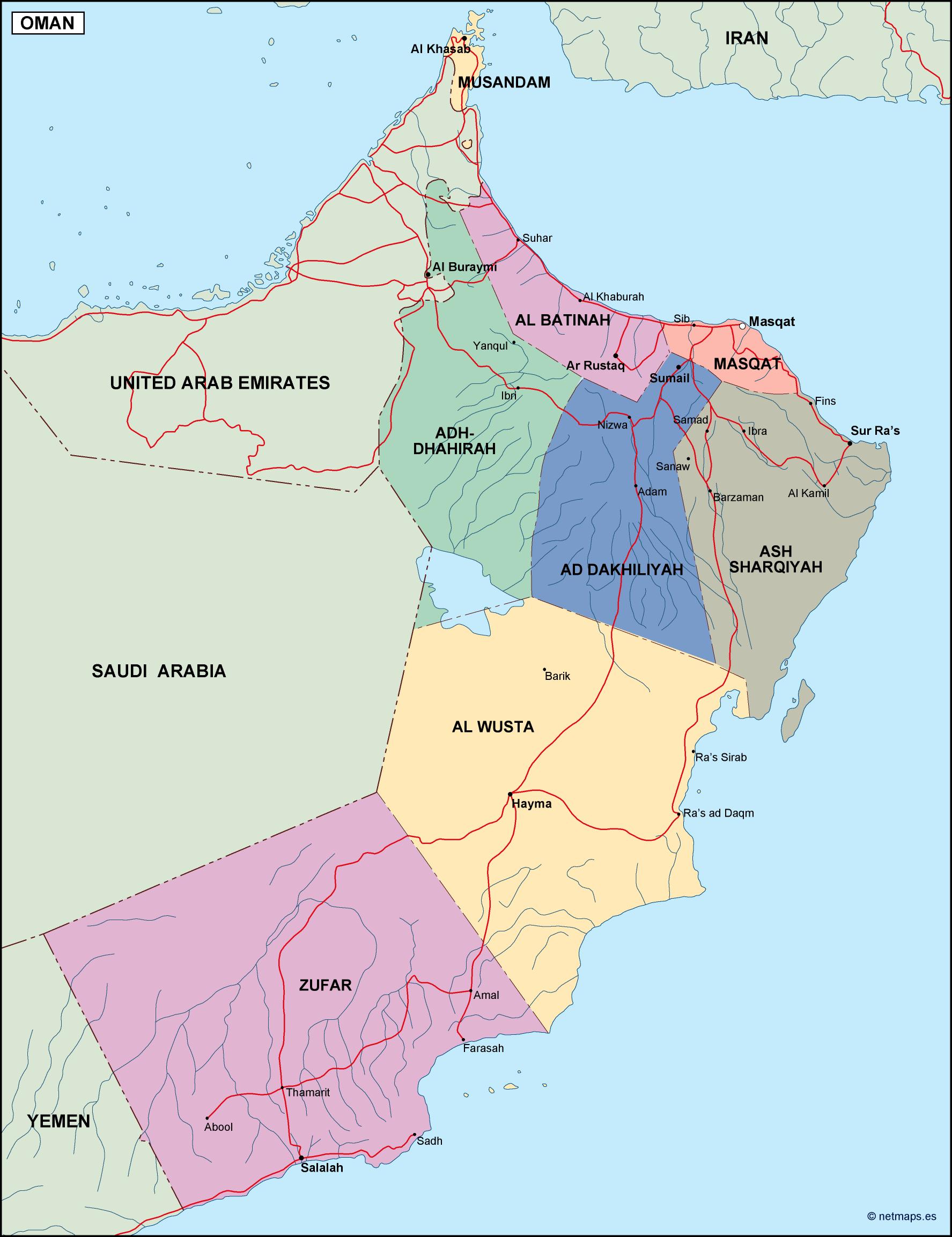
Twenty-five sailors stared down disaster in the world's most volatile maritime choke point. The Panamanian-flagged crude oil tanker Riti was burning. Flames engulfed parts of the vessel after it was targeted just 1.6 nautical miles off the coast of Oman's Musandam Governorate.
Muscat didn't hesitate. Oman's Maritime Security Centre confirmed that its navy scrambled emergency assets to pull all 25 crew members from the wreckage. The sailors received immediate medical care once ashore, dodging what could have been a catastrophic loss of life.
This isn't an isolated accident. It is part of an escalating, high-stakes standoff redefining global energy transit.
Inside the Strait of Hormuz Standoff
The Strait of Hormuz handles roughly one-fifth of global oil consumption. Every day tankers do not pass means billions in disrupted commerce. Right now, navigating these waters feels like playing Russian roulette.
Iran's Islamic Revolutionary Guard Corps claimed responsibility for halting multiple oil tankers on the same day. Tehran insists that vessels use only state-approved shipping lanes. Ships attempting to bypass these corridors via southern routes near Oman are flagged as unauthorized. The IRGC asserted that tankers running without active navigation systems hit naval mines or faced direct interdiction.
Washington tells a different story. U.S. Central Command leadership maintains that primary international transit routes have been actively cleared of Iranian sea mines. Yet commercial operators caught in the crossfire bear the brunt of the chaos.
Why Commercial Shipping Is Paying the Price
Tanker owners face an impossible dilemma. Follow Tehran's mandated routes and risk running afoul of Western sanctions or blockades. Take standard international lanes and risk projectile attacks, fires, and floating sea mines.
The Riti incident highlights the human cost of this geopolitical tug-of-war. Maritime tracking data shows the crude carrier was hugging regional waters before disaster struck. When a ship carrying millions of barrels of volatile cargo catches fire near a coastline, local navies are the only immediate line of defense.
Oman's rapid response prevented a human tragedy. But it also exposed the fragility of Gulf security.
What Comes Next for Gulf Energy Corridors
Insurance rates for Gulf transit are skyrocketing. Crew members are refusing assignments in the Persian Gulf. Shippers are delaying voyages or anchoring vessels in safe zones rather than risking the Hormuz passage.
Governments outside the region keep issuing statements calling for de-escalation. Those words mean nothing to a crew fighting a deck fire off the coast of Musandam. Until major naval powers and regional actors reach a functional agreement on transit security, every tanker heading through the strait remains a target.
Keep a close eye on insurance premiums and independent ship tracking data over the coming weeks. That is where you will see the real impact of the Hormuz crisis long before diplomats announce any breakthroughs.