Two decades ago, a stray dog's frantic barking dragged Houssein Hamze out of his bed just seconds before a missile reduced his bedroom to shrapnel and dust. That narrow escape during the 2006 Israel-Hezbollah war changed the trajectory of his existence. Instead of packing up when the 2026 conflict flared up and forced a quarter of Lebanon's population to flee, the 57-year-old chose a different path. He stayed behind.
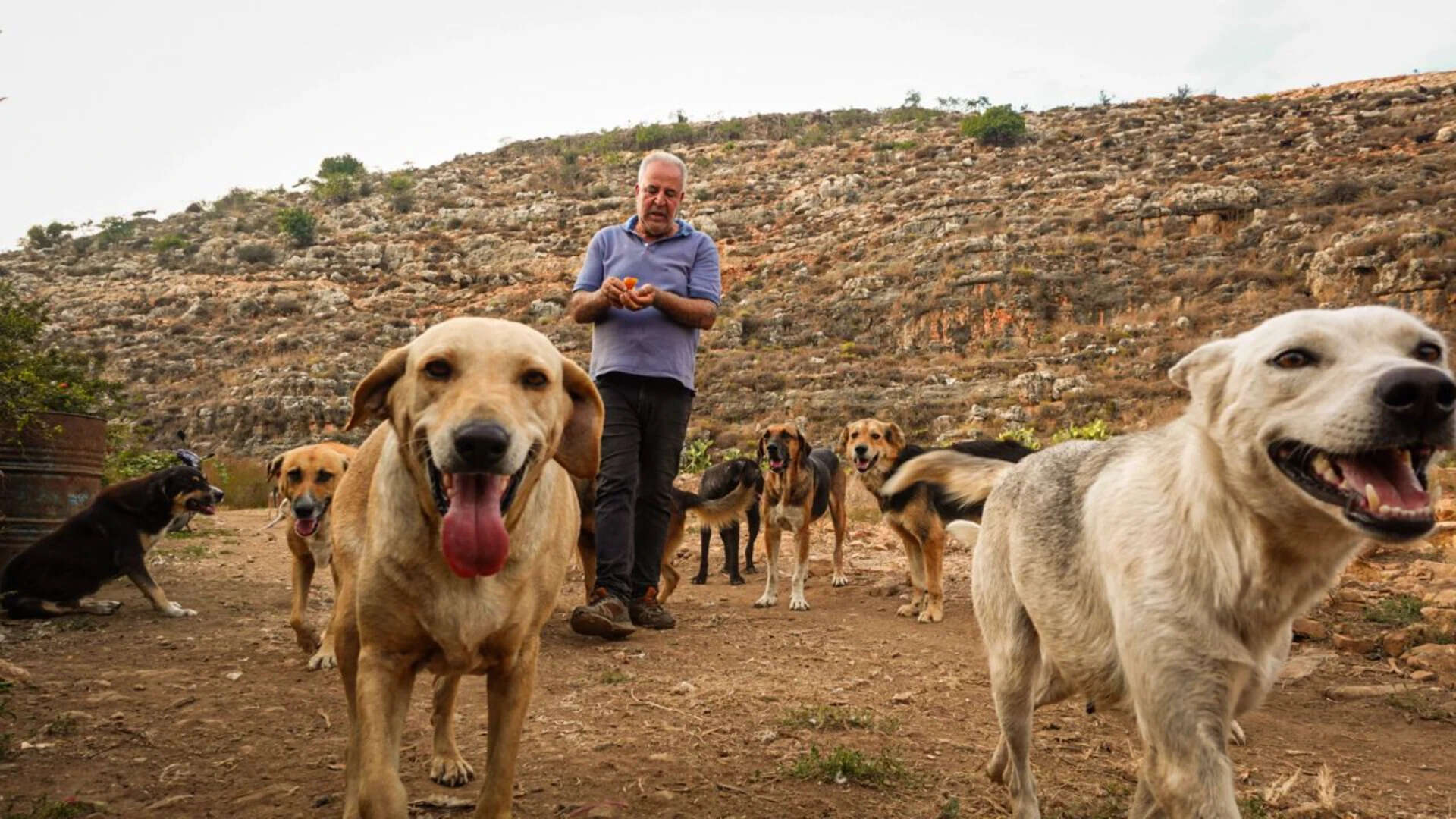
While relentless drone strikes and artillery fire terrorized southern Lebanon, Hamze became the sole guardian for roughly 200 dogs, alongside rescued camels, horses, geese, and ravens at his Mashala shelter in the village of Zefta.
The Debt of a Saved Life
Most people would take a brush with death as a sign to leave. Hamze took it as a lifelong mandate. Standing in his destroyed bedroom years ago, looking at a jagged piece of iron right where his pillow had been, convinced him that animals operate on frequencies humans fail to register.
He founded the Mashala shelter to house local strays. Over the years, it turned into an eclectic sanctuary. When war broke out on March 2, 2026, and his neighbors evacuated, the scale of abandonment became immediately clear.
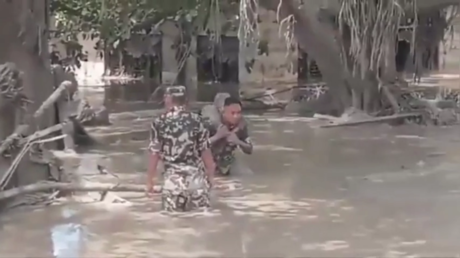
Frightened pet owners fled in panic. Many left their dogs tied to fences, abandoned inside locked yards, or chained without food and water. Hamze didn't hesitate. He spent his days navigating active conflict zones in a beat-up truck, cutting chains, untying terrified animals, and setting out water bowls.
Surviving the Danger Zones of Southern Lebanon
Staying behind in Zefta wasn't just a quiet act of defiance; it was a daily gamble with survival. Hamze was one of only about 20 residents who refused to leave the village. The skies above hummed with lethal drones that targeted movement indiscriminately.
He recalls stumbling upon the corpse of a man killed by a drone strike during his morning feeding rounds. Friends and neighbors returning home briefly to grab clothes were struck down. Yet, Hamze’s terror had nothing to do with his own safety.
"I wasn't afraid for myself. I was only afraid for the animals. I kept thinking: if I die, who will look after them? They would be lost," Hamze said.
Knowing the grim statistics of the war, he planned quietly for the worst. He arranged to evacuate eight donkeys to a sanctuary in Beirut, terrified they couldn't fend for themselves if he perished. Larger rescues like Jamoola—a camel saved from the Bekaa Valley—had to stay because they wouldn't fit in his pickup truck.
Life After the Ceasefire
When a June ceasefire quieted the artillery fire, the immediate danger subsided, but the workload multiplied. Returning villagers immediately started flooding his WhatsApp with hundreds of daily messages reporting stranded or traumatized pets.
Viral videos of his wartime heroics brought a temporary wave of global donations. But as the news cycle shifted, financial support started drying up. Today, Hamze deals with the exhausting, unglamorous reality of animal rescue. He patches up irrigation lines chewed by anxious dogs, administers tick treatments, and manages a shelter that operates on razor-thin margins.
Dogs missing tails and ears from shrapnel graze the property alongside healthy rescues. Animals like Lulu—who lost part of her tail in an airstrike—remain permanent residents under his care.
Hamze looks at the broader picture with weary clarity. He maintains that human cruelty and disregard for life stem from a fundamental lack of empathy toward creatures who cannot speak for themselves. For him, every fed dog and every nurtured camel is a step toward fixing a broken world.
The shelter gates remain open, the phone keeps ringing with distress calls, and Houssein Hamze keeps working without a day off.