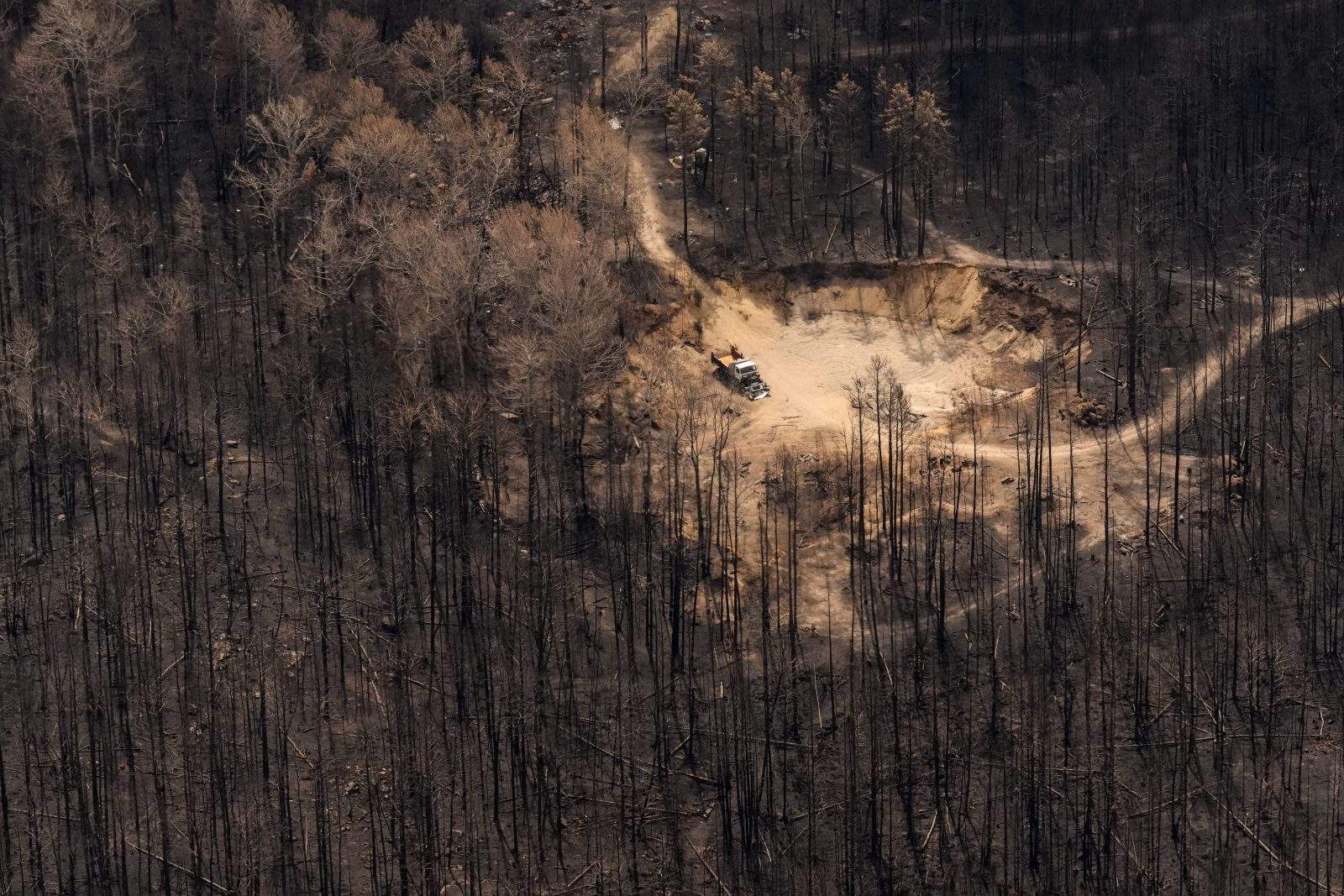
Summer in the north used to mean calm camping trips and cool lake breezes. Now, it means watching the horizon for smoke. Right now, the Ontario wildfire situation is taking a sharp turn, offering a bit of breathing room even as high temperatures refuse to back down.
Officials report that over 80 fires have been put out across northern Ontario in the past two weeks. That sounds great on paper. But before anyone breaks out the champagne, let us look at the actual numbers. There are still 159 active blazes burning across the region, with 30 categorized as completely out of control.
The Battle on the Ground and Sky
Mother Nature finally decided to throw firefighters a bone. Recent cooler temperatures and actual rainfall across parts of northern Ontario have helped crews gain the upper hand. Ground teams haven't been fighting alone, either. More than 100 specialized firefighters from Mexico arrived recently to bolster local ranks, joining over 150 Ontario fire crews currently on the front lines.
Natural Resources Minister Mike Harris calls the current trajectory a reassuring direction. He isn't wrong to feel optimistic, but fire behaviour is notoriously fickle. A sudden spike in temperature or a dry lightning storm can flip the script in a matter of hours.
The Human Cost Behind the Statistics
We talk endlessly about hectares burned and containment percentages, but behind every data point is a displaced family. Emergency Preparedness Minister Jill Dunlop noted that 14 communities have faced evacuation orders since the season escalated.
While five of those communities have finally received the green light to head home, over 2,000 residents remain scattered across various host communities in temporary housing. Living out of a hotel room or a gymnasium while your hometown sits under an evacuation alert is exhausting. You don't bounce back from that overnight, even when the minister says the crisis is easing.
Pushing Back Against the Official Narrative
Not everyone is popping champagne over the province's handling of the crisis. First Nations leaders are openly furious, demanding a full public inquiry into how the government managed the early weeks of the emergency.
Communities like Collins First Nation in northwestern Ontario found themselves dealing with encroaching flames with what leaders describe as a complete lack of timely support. Critics argue that some northern residents were left to fend for themselves while bureaucratic machinery moved too slowly.
Premier Doug Ford and his cabinet have pushed back hard against those allegations. The province maintains it has spared no expense, coordinating the relocation of thousands and footing the bill for food and hotel accommodations. Yet, the friction between municipal and First Nations leaders and Queen's Park highlights a deeper communication breakdown during major climate emergencies.
What Happens Next
If you're living in northern Ontario or planning travel through the region, don't let your guard down just yet. Summer heatwaves are far from over. While the math shows more fires dying than starting right now, the sheer volume of active blazes means the air quality can shift drastically on any given day.
Check local fire bans before heading outdoors. Keep emergency bags packed if you're in a high-risk zone. The worst of this specific surge might be slowing down, but the season has months left to run.