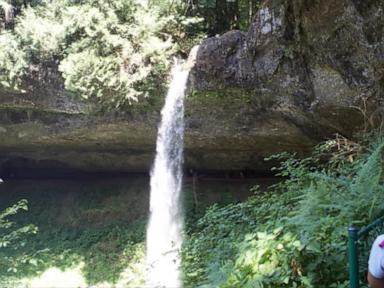
Nature doesn't care about your Instagram feed. That sounds harsh, but it's the brutal truth every time another tourist slips past a barrier in the Pacific Northwest.
Tragedy struck again when an Oregon tourist lost their life after falling from one of the state's most iconic waterfalls. Headlines flash across local news channels, people share shock online, and then everyone forgets until the next rescue helicopter flies over the gorge. It's an endless cycle. And honestly, it's completely preventable.
If you're planning a trip to see the jaw-dropping cascades along the Columbia River Gorge or deep within the Cascade Range, you need to know why these locations turn deadly so fast.
The Illusion of Safety at Popular State Parks
Most visitors assume that because a waterfall sits right off a paved highway or a well-maintained trail, it functions like a theme park attraction. It doesn't.
Thousands of people crowd into spots like Multnomah Falls every single week. They walk the concrete paths, snap pictures from the viewing bridges, and watch the water plunge hundreds of feet. Because the infrastructure looks sturdy, a false sense of security sets in. People step over wooden railings. They hike past warning signs because the lighting looks better fifty feet down the steep embankment.
The reality is stark. Moss is slicker than ice. Wet basalt rock offers zero traction. When you combine heavy mist with vertical drops, a minor misstep becomes a fatal plummet in less than a second.
Emergency crews in Multnomah County and surrounding jurisdictions respond to rope rescues and recovery operations constantly. Search and rescue teams risk their own lives hauling unprepared hikers out of deep canyons because someone wanted a selfie near the edge.
Why Tourists Ignore the Warning Signs
Human psychology plays a massive role in outdoor accidents. Social media feeds are flooded with perspective-bending photographs that make dangerous ledges look accessible and casual.
When you arrive at a famous Oregon landmark, your brain tells you that millions of people visit without issue. You feel invincible. You see a dirt path cutting off the main trail toward the base of the falls or the top of the cliff, and you figure a quick peek won't hurt.
That shortcut is where things go wrong.
- Rains slick the soil: Pacific Northwest weather changes rapidly. A dry trail in the morning turns into a mudslide by afternoon.
- Erosion hides unstable ground: Riverbanks and cliff edges erode from underneath. The earth looks solid right up until your foot breaks through empty air.
- Mist creates blind spots: Heavy spray coats your camera lens, your glasses, and the rocks beneath your boots, reducing visibility and grip simultaneously.
How to Enjoy Oregon Waterfalls Without Becoming a Statistic
You don't need to skip the state's incredible natural beauty to stay safe. You just need a heavy dose of respect for the environment.
Stick to the designated viewing platforms. Those railings exist for a reason, and that reason is usually written in the blood of previous visitors. If a sign says closed, do not cross it. If the trail is muddy, slow your pace down to a crawl. Wear proper footwear with aggressive tread instead of smooth-soled fashion sneakers.
Keep your eyes on the ground while you move. Too many people walk while staring at their phone screens or looking up at the canopy, missing the tree roots and drop-offs right in front of them.
Next time you stand near the edge of a roaring drop, remember why you came out here in the first place. Enjoy the roar of the water, take the picture from behind the barrier, and make it home alive.


