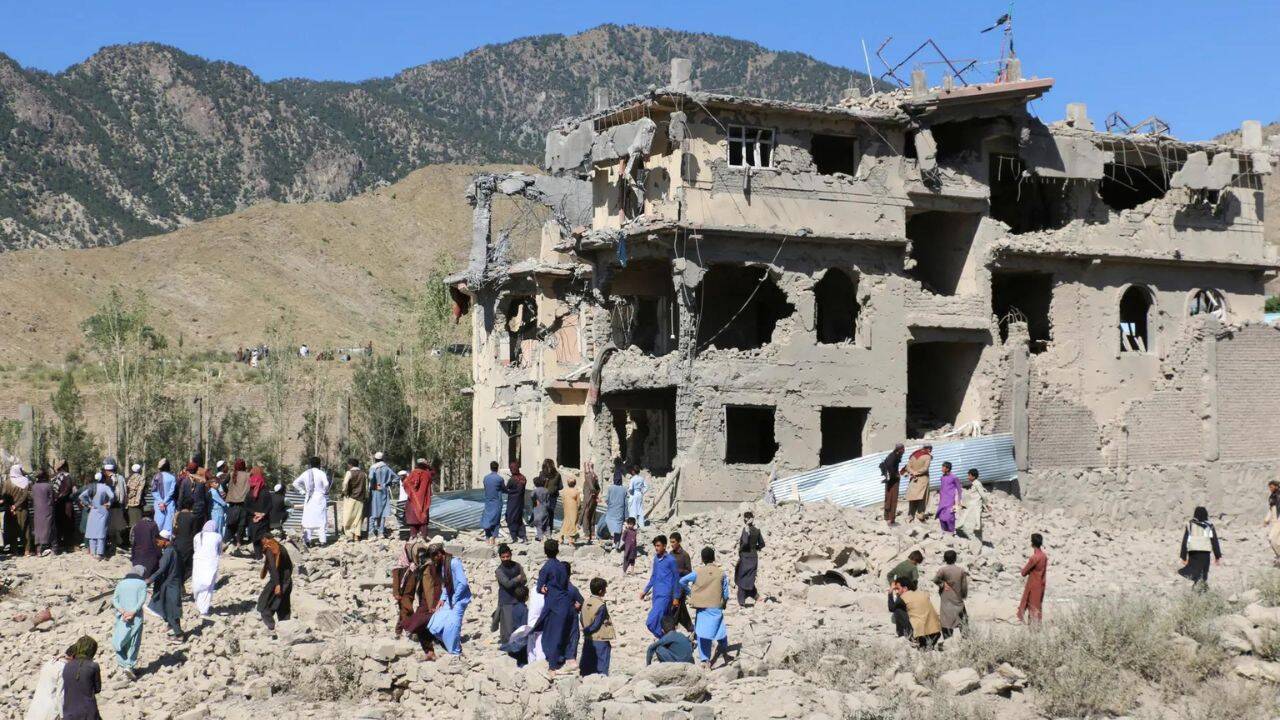
Islamabad isn't backing down. Pakistan's military recently came out swinging against a high-profile United Nations report, dismissing allegations that its cross-border operations in Afghanistan caused nearly 500 civilian deaths. If you look past the standard diplomatic statements, a much deeper geopolitical clash is unfolding along the Durand Line.
Military spokesman Lt. Gen. Ahmad Sharif Chaudhry didn't mince words during a televised briefing. He called the findings completely baseless. According to Islamabad, every single strike targeted militant hideouts belonging to the Tehrik-e-Taliban Pakistan, or TTP.
The Numbers Behind the Breaking Point
The conflict isn't a secret anymore. Tensions boiled over into open hostility earlier this year, sparked by retaliatory cross-border raids.
The UN Assistance Mission in Afghanistan, known as UNAMA, painted a grim picture. Their tracking recorded 499 civilians killed and 1,216 wounded during cross-border violence running from October through June. Heavy airstrikes hit eastern provinces like Paktia, Paktika, and Kunar, destroying homes and dragging innocent people into a war they didn't start.
Islamabad tells a totally different story. Pakistani officials point to over 3,000 domestic terror incidents logged since January, resulting in more than 2,000 militant deaths and the loss of over 800 security personnel and citizens. From their perspective, cross-border operations are pure self-defense.
Calling Out Double Standards
Pakistan's pushback went straight for the jugular of international oversight bodies. Islamabad accuses organizations like UNAMA and Amnesty International of relying entirely on restricted local accounts under Taliban rule, while turning a blind eye to militant safe havens inside Afghanistan.
Then came the accusation of hypocrisy. Highlighting past Western military campaigns, military officials asked how aggressively global watchdogs documented civilian casualties during decades of coalition airstrikes in the region. It's a calculated rhetorical jab. Pakistan argues it is bearing the brunt of domestic terrorism fueled from across the border, only to face international condemnation when it fights back.
What Happens Next
There is no cooling-off period in sight. Islamabad insists its anti-militant campaigns will press forward, regardless of international pressure or human rights reports. With the Afghan Taliban denying any complicity in cross-border sanctuaries, the border remains a powder keg.
Expect more friction, sharper rhetoric, and zero compromise as both sides dig in for a protracted security crisis.


