History doesn't always repeat itself quickly. Sometimes it takes over seventy years.
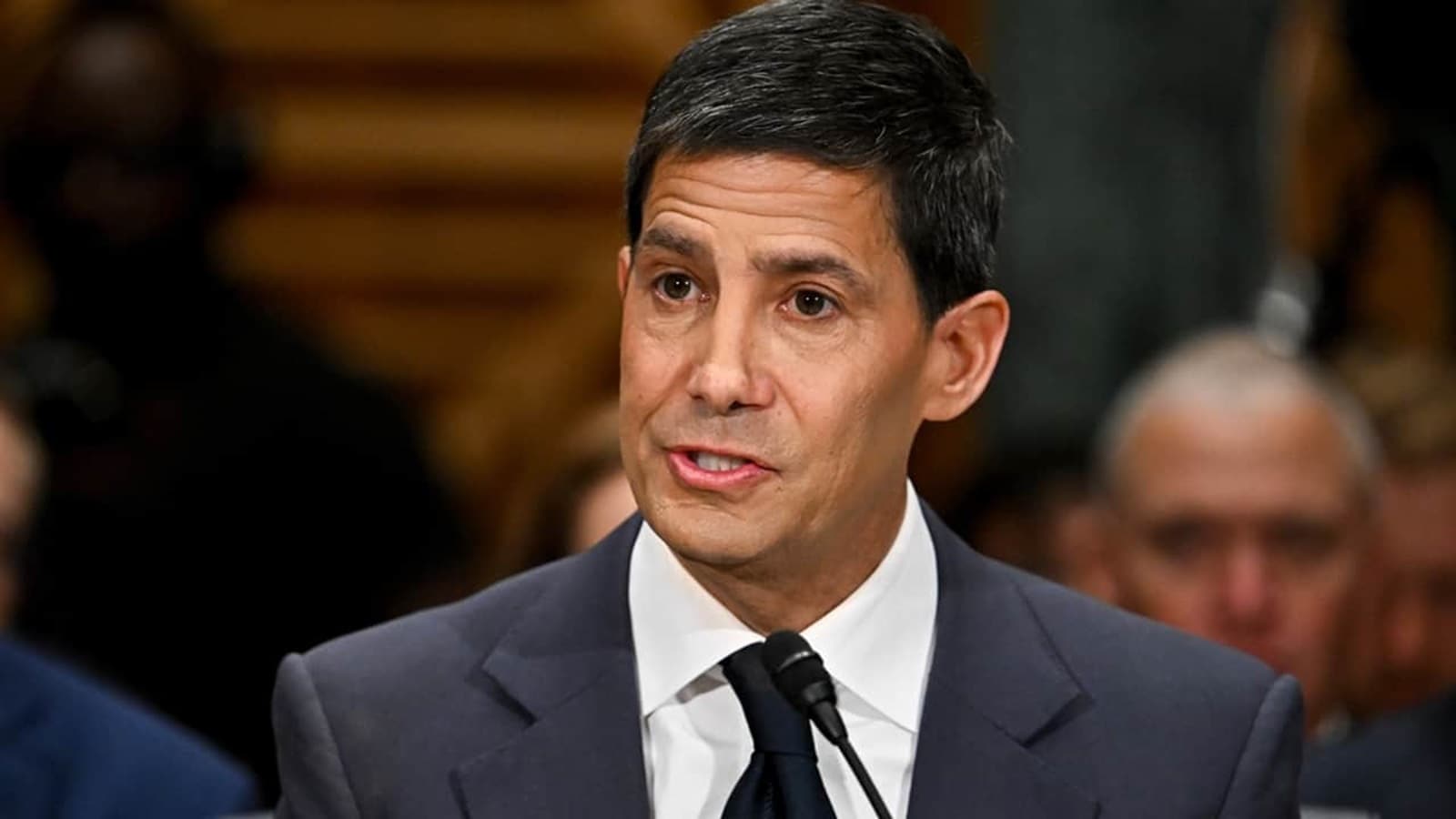
Pakistan has just been named the incoming chair of the International Monetary Fund and the World Bank Group boards for 2027. If you look back through financial archives, you'll see the country hasn't held this specific leadership post since 1953. Federal Minister for Economic Affairs Ahad Khan Cheema formally accepted the upcoming designation during the annual meetings in Bangkok, marking a remarkable diplomatic and economic turn for Islamabad.
For a nation constantly associated with emergency bailouts, fiscal tightening, and structural adjustment loans, holding the chair feels like an ironic twist or an incredible redemption arc. Let's break down why this announcement matters, what it means for global financial governance, and how the dynamics are shifting.
Breaking Down the 2027 Chairmanship Announcement
The official announcement dropped during the 2026 annual meetings in Bangkok, where Ahad Khan Cheema met with outgoing chair Carlos Carvallo Spalding, the central bank chief of Paraguay. Passing the torch isn't just a ceremonial handshake. The Board of Governors chair oversees the overarching governance of both Washington-based Bretton Woods institutions, guiding major policy discussions, setting the tone for annual gatherings, and steering high-level administrative resolutions.
For Pakistan, the timing is fascinating. Just weeks before this appointment, Pakistani authorities and the IMF reached a staff-level agreement following reviews of the Extended Fund Facility and the Resilience and Sustainability Facility. That package unlocked roughly $1.2 billion in much-needed financing to stabilize domestic reserves.
Going from a bailout recipient sitting across the negotiation table to chairing the actual board of governors creates a fascinating duality. You're simultaneously managing domestic austerity measures and helping steer the procedural helm of global development finance.
Why This Matters Beyond the Headlines
Most casual observers see this as a purely ceremonial title. It isn't. While day-to-day operational power stays with the managing director and executive directors, the chair of the Board of Governors holds immense symbolic and diplomatic weight.
Here is what you actually get when you secure this position:
- A prominent platform to voice the concerns of developing nations struggling with climate shocks and debt distress.
- Direct engagement with global finance ministers, central bankers, and institutional heavyweights.
- A chance to rebrand national economic credibility on an international stage.
Pakistan's Ministry of Economic Affairs labeled the development historic, and honestly, they're right. Returning to the chair after 1953 means navigating a completely transformed global economy. Back in the early fifties, the post-war financial architecture was brand new, dominated by a handful of Western allies. Today, the conversation revolves around climate finance, green transitions, sovereign debt restructuring for low-income countries, and reforming multilateral banks to make them more responsive to the Global South.
The Realities of Modern Multilateral Diplomacy
Let's be real for a second. Holding a board chair doesn't magically erase a country's internal inflation rates, trade deficits, or structural tax gaps. Islamabad still faces enormous economic hurdles at home. Critics might argue that focusing on global leadership optics is a distraction from domestic reforms.
However, ignoring international diplomacy is never a viable strategy. Economic survival in the twenty-first century requires active participation in multilateral forums. By stepping into the 2027 chair role, Pakistan positions itself at the center of discussions regarding how the IMF and World Bank allocate resources, handle climate vulnerabilities, and support nations caught in liquidity crises.
Minister Cheema explicitly emphasized Pakistan's resolve to promote effective development financing and foster constructive dialogue among member countries. If Islamabad uses this platform effectively, it can champion policies that benefit not just its own economy, but dozens of other emerging markets facing similar macroeconomic pressures.
What Happens Next on the Global Stage
The road to 2027 gives the Pakistani administration plenty of runway to prepare. Between now and then, the country must continue executing its ongoing structural benchmarks with the IMF while coordinating with World Bank officials to align development projects with actual grassroots needs.
If you are tracking global finance, keep an eye on how Islamabad leverages this mandate. The real test won't be the speeches delivered in Bangkok or Washington. It will be whether this visibility translates into durable alliances, better terms for climate-resilient investments, and a stronger voice for developing economies inside the world's most powerful financial halls.
Manage your expectations, watch the policy rollouts, and pay attention to how the Bretton Woods institutions adapt to a changing world.