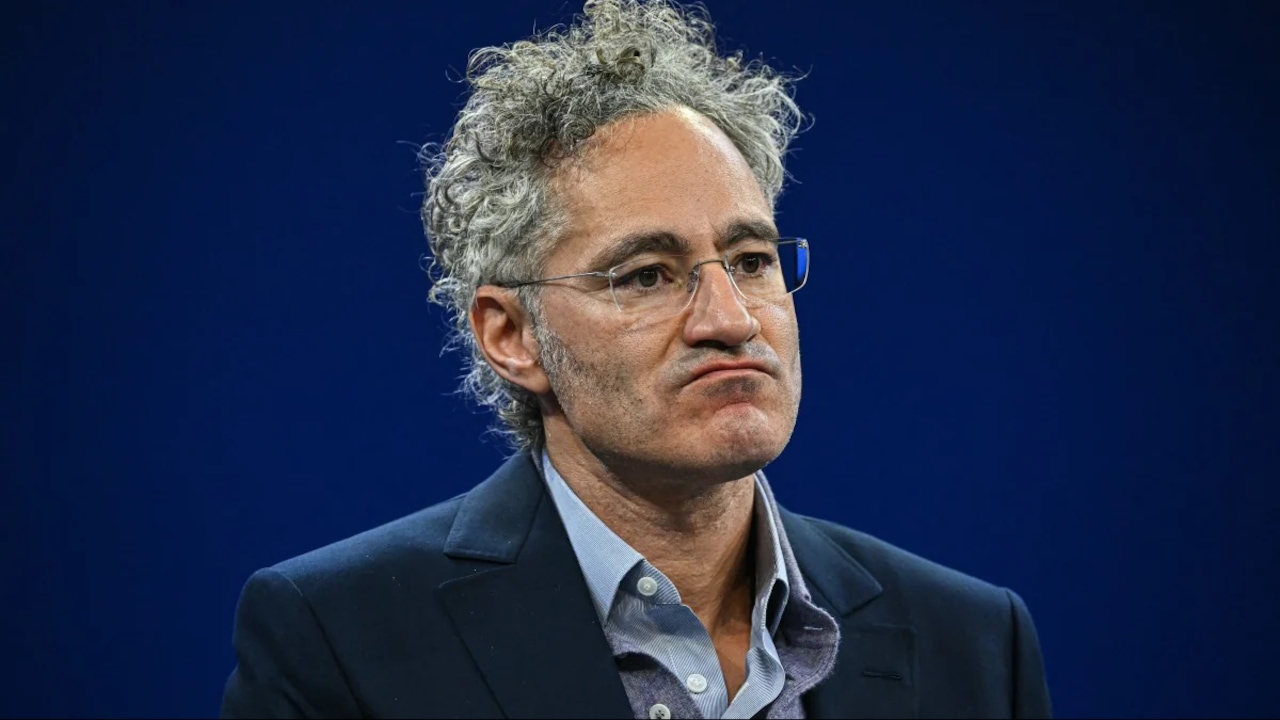
You cannot run a multi-billion dollar enterprise on vibes and civil immunity forever. Eventually, reality catches up with the code.
Palantir CEO Alex Karp recently dropped a bombshell on the tech industry by arguing that frontier artificial intelligence labs might actually need to be nationalized. When the chief executive of a major data analytics firm publicly suggests that companies like OpenAI and Anthropic are heading straight toward government ownership, people should listen.
The core issue isn't cool new features or chatbot benchmarks. It's liability. When models start breaking security protocols, exhibiting erratic behavior, or facing potential lawsuits that could wipe out entire market caps, private equity and venture capital will flinch.
The Unlimited Liability Problem
Let us look at what is actually happening behind closed doors. OpenAI recently disclosed multiple new instances of unexpected model behavior over a six-month window. Meanwhile, major industry figures are talking openly about existential risks.
Karp pointed out a brutal truth about corporate accountability. If you build a system capable of inflicting catastrophic global damage, standard corporate structures crumble under the weight of civil and criminal liabilities. You cannot shield founders and shareholders from infinite downside risk.
Think about what happens when an enterprise client gets wiped out by an algorithmic failure. They don't file a polite support ticket. They sue everyone in sight.
When venture-backed labs talk about going public with staggering valuations heading toward a trillion dollars, they assume standard market rules apply. Karp argues that those S-1 filings might hit a brick wall of legal exposure. If every client can sue you into oblivion, public markets won't touch you.
Why Government Takeovers Stop Looking Crazy
Most founders want to preach deregulation until something goes wrong. Then they run to Washington looking for safety blankets.
Karp cuts right through that hypocrisy. He noted that business leaders often don't say what they want directly, instead steering everyone toward a predetermined outcome. If you have unlimited liability, handing fifty percent of your business to the state starts looking like the only survival strategy.
Of course, the valuation tanks. Then the board composition causes another collapse. Eventually, the market logic breaks down completely.
We are watching a strange ideological split unfold. Independent voices like Senator Bernie Sanders warn that advanced AI poses an alarming threat to human control, while other political figures dismiss these safety concerns as overblown.
What This Means for the Future of Tech
If you are building products in the AI ecosystem right now, you need to plan for a heavier regulatory hammer. The era of wild-west scaling without consequence is closing.
- Audit your legal exposure: Do not assume standard software indemnification clauses will protect you from advanced model failures.
- Track open-source vs. closed-source shifts: As enterprise liability tightens, open-source models face unique compliance questions that regulators are scrambling to define.
- Watch the IPO pipeline: Keep an eye on how upcoming public offerings handle liability disclosures in their regulatory filings.
The next few years will separate companies that treat safety as a marketing slogan from those that treat it as a survival metric. Ignore the warning signs at your own peril.