You won't find many festive lights in Bethlehem these days. The birthplace of Jesus has transformed into a pressure cooker where staying feels like an act of quiet defiance, and leaving has become the default survival plan for a shrinking minority.
If you look past the standard headlines, a quieter exodus is unfolding across the West Bank. Palestinian Christians, who have roots in these hills stretching back millennia, are packing bags faster than at almost any point in modern history. Why? Because the combination of collapsed tourism, tightening military checkpoints, aggressive settler expansion, and economic strangulation has made daily life unsustainable.
Let's look at what's actually driving people out.
The Economic Lifeblood Is Gone
Bethlehem used to thrive on pilgrims and foreign tourists. Souvenirs were carved from olive wood, hotels stayed booked, and restaurants bustled. Today, that entire ecosystem is dead.
When regional conflicts flare up, tourism vanishes overnight. Local shop owners and hospitality workers sit in empty stores waiting for customers who never arrive. Without steady income, parents look at their children and face a brutal choice. Do you stay out of stubborn loyalty to your ancestral land, or do you send your kids to relatives in Chile, the United States, or Greece so they can actually get a college education and find a real job?
Most choose the latter. As local clergy point out, when one family leaves, the fabric of the entire community frays a bit more. Christians now make up roughly one to two percent of the West Bank's population. They are a minority inside a minority. When numbers drop this low, losing even a dozen families from a historic village like Taybeh changes everything.
Movement Restrictions and Daily Fear
It is not just about money. It is about the sheer exhaustion of trying to live a normal day.
Commuting between West Bank cities like Bethlehem, Ramallah, and Hebron used to take minutes. Now, it means navigating a shifting labyrinth of checkpoints, concrete barriers, and sudden closures. People get stuck for hours over administrative issues or security clampdowns.
On top of travel hurdles, security threats have multiplied. Residents in rural areas report rising intimidation from hardline settlers. Olive groves—some owned by the same families for generations—are sometimes cut off or put at risk by adjacent fires and property disputes. When families stop taking their kids to after-school sports because the roads feel too unpredictable, they are already mentally halfway out the door.
The Internal Pressures Nobody Mentions
While external pressures from the occupation get the lion's share of media coverage, local Christians also deal with internal systemic issues that rarely make the evening news.
Civil society reports and community leaders often point to a broader lack of equal justice, weak institutional protections, and occasional property disputes where ordinary citizens feel helpless against more connected figures. When people feel unprotected by local authorities and squeezed by external forces simultaneously, the motivation to stay evaporates.
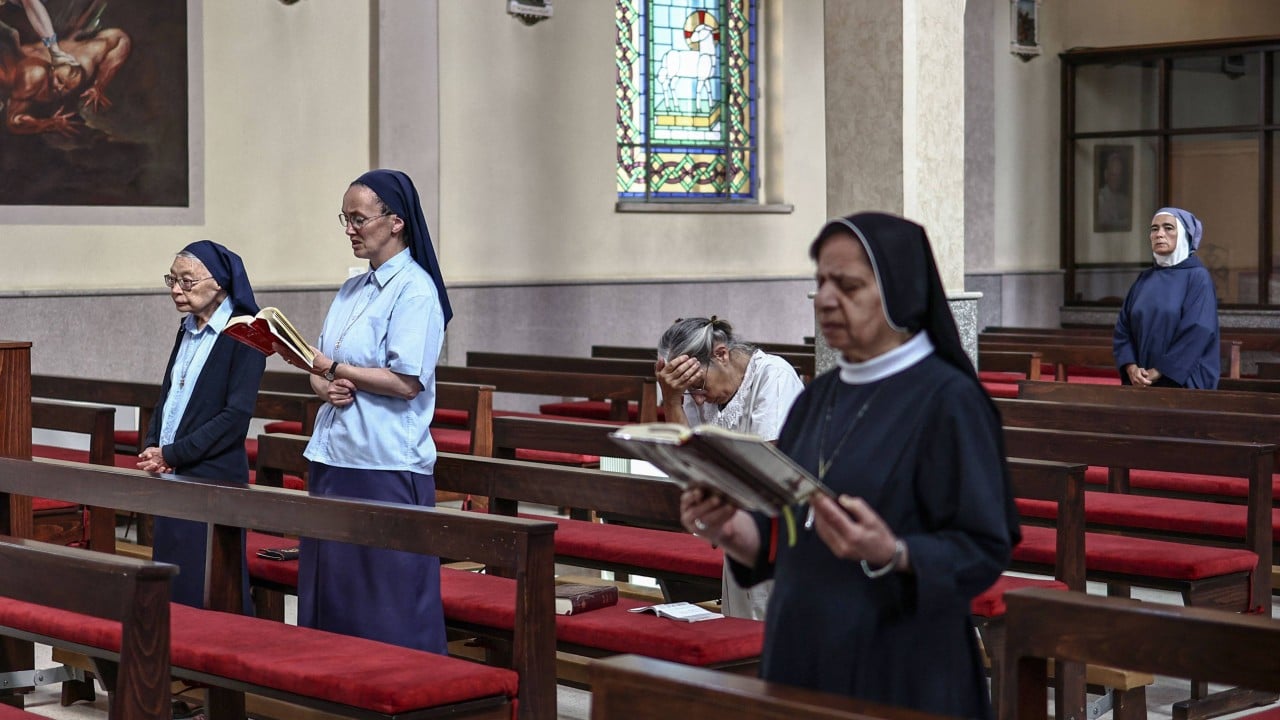
Church leaders try to push back against the tide. Organizations like the Shepherd Society run relief programs, food distributions, and employment workshops to keep people afloat. Priests and pastors keep repeating a simple message: our duty is to stay and keep the lights burning in the cradle of the faith.
Yet, faith alone pays few bills. Unless the fundamental economic and security realities on the ground shift dramatically, the ancient Christian communities of the West Bank will continue to fade into history.
Stop waiting for conditions to improve on their own. If you want to support those trying to preserve this heritage, look toward direct aid groups and educational institutions on the ground that provide real jobs and local stability rather than empty political rhetoric.