Panic spreads fast when words like "plague" and "laboratory" show up in the same headline. Social feeds light up, emergency protocols trigger, and before anyone checks the facts, a minor incident morphs into an apocalyptic thriller. That is precisely what happened when rumors swirled around the death of a young lab worker in Siberia, sparking fears of a pneumonic plague outbreak.
Russia's health authorities quickly stepped in to push back against the panic, but the real story isn't just about what happened inside the Irkutsk Anti-Plague Institute—it's about how fragile public trust is when high-containment facilities make the news.
Behind the Irkutsk Lab Scare
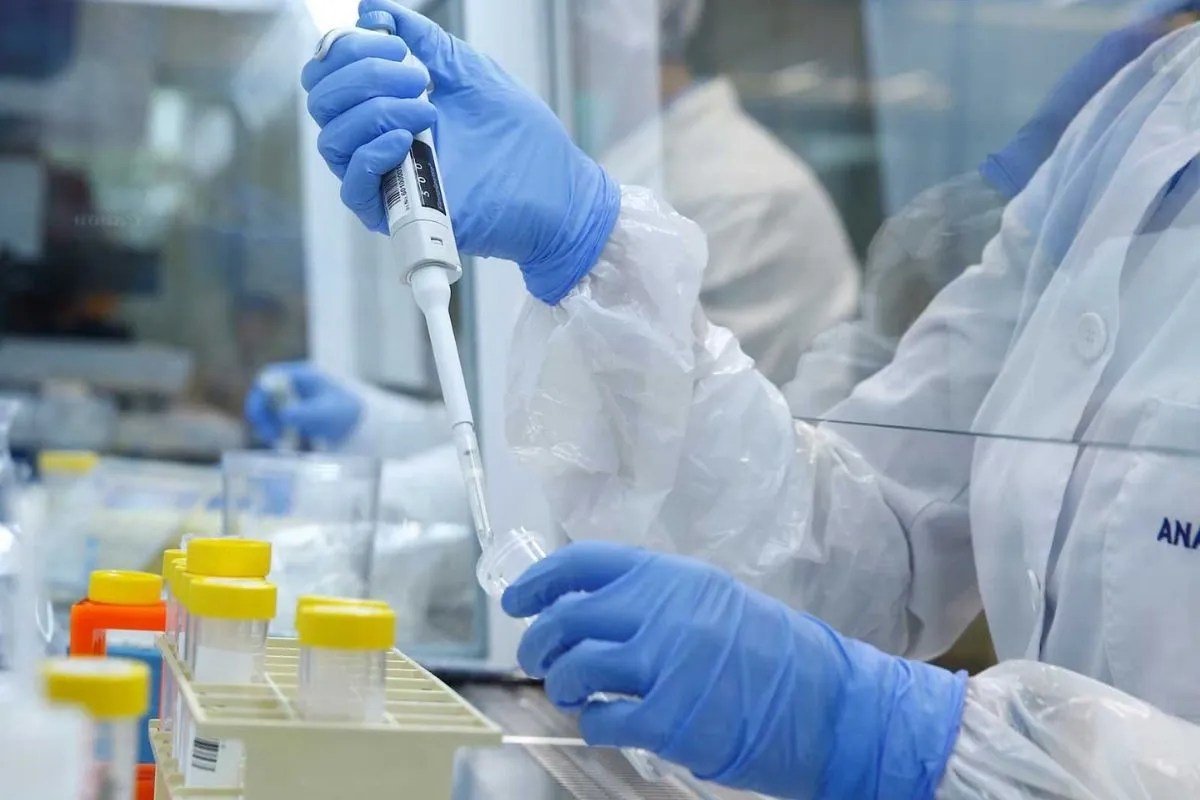
The incident began when 28-year-old Daria Shipilova, a laboratory assistant at the Irkutsk Anti-Plague Institute, passed away following a severe case of pneumonia. Naturally, because of her workplace, regional security channels and unverified sources whispered about a broken test tube and a potential exposure to deadly pathogens.
Within hours, local hospitals went into quarantine mode, over sixty co-workers were placed in isolation, and mask mandates returned to nearby industrial zones like Shelekhov.
Yet, official investigations told a different story. Russia's national health watchdog, Rospotrepnadzor, analyzed the biological samples and stated clearly that no pathogens linked to her daily work were found in her system. Medical evaluations of her immediate contacts revealed common viral infections like rhinovirus and COVID-19, with zero evidence of any plague bacteria.
Why Authorities and WHO Remain Cautious
Even with official denials, public health agencies don't just brush off incidents involving anti-plague facilities. The World Health Organization confirmed it is monitoring the situation under international health regulations, maintaining contact with Russian officials to track the health of all isolated personnel.
Kremlin spokesperson Dmitry Peskov urged the public to rely strictly on verified agency reports instead of social media speculation. But skepticism remains high. When high-security labs handle dangerous biological agents, any unexplained illness triggers immediate public anxiety. People remember past lab leaks globally, making official assurances sound defensive to skeptical ears.
What You Should Take Away From This
Biological safety protocols exist precisely to catch potential exposures before they spread. Whether dealing with a genuine accident or a tragic coincidence involving standard pneumonia, the swift isolation of sixty workers shows that containment systems trigger automatically out of an abundance of caution.
Don't let sensationalized headlines override verified science. When breaking news mixes high-consequence diseases with government secrecy, wait for concrete diagnostic data before jumping to conclusions.