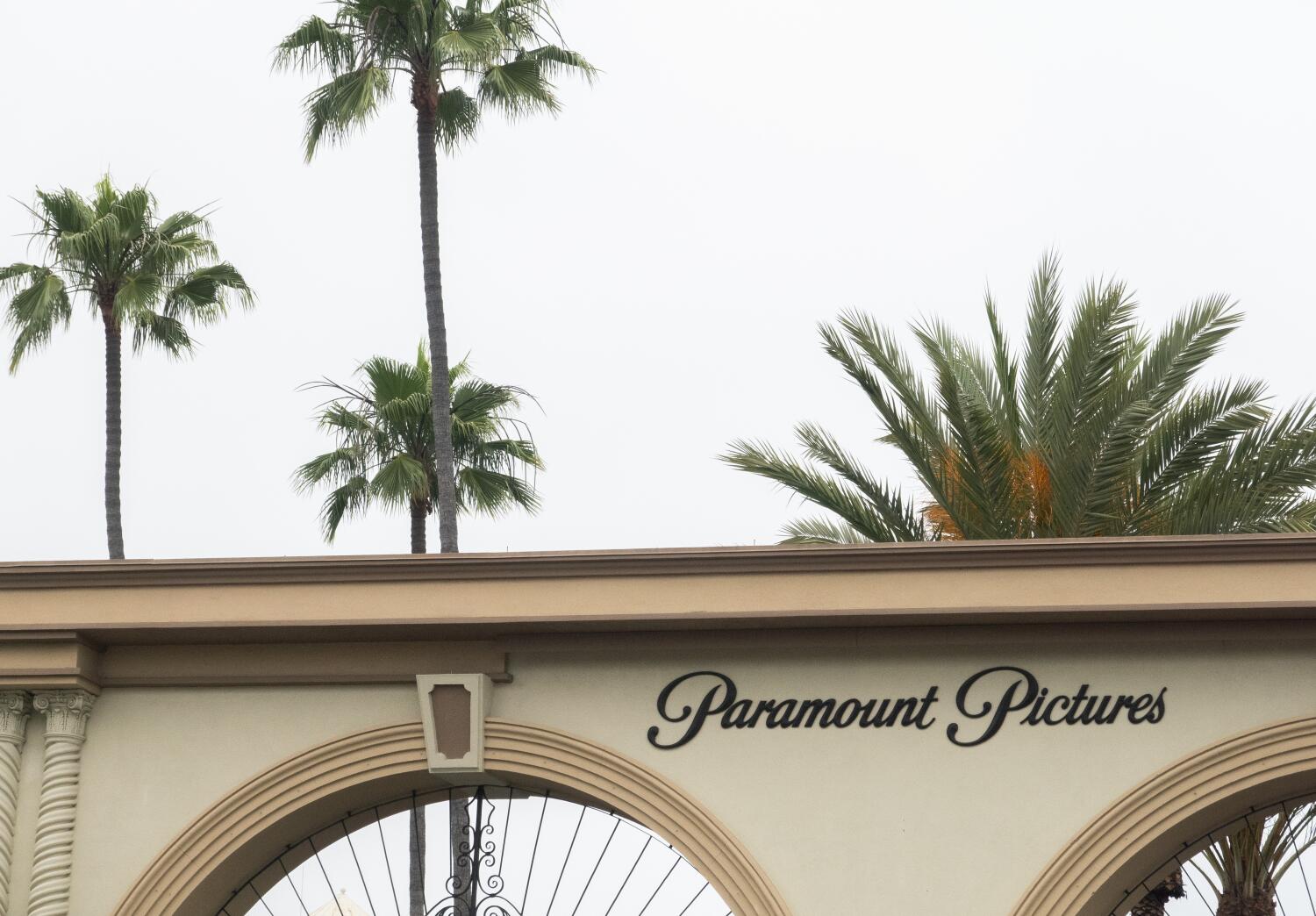
The clock is ticking loudly in Hollywood. Paramount Skydance and California Attorney General Rob Bonta are deep into high-stakes negotiations to settle an antitrust lawsuit that threatens to torpedo a massive $110 billion media consolidation deal. If you've been tracking media stocks or wondering why studio executives are sweating through September, the root cause comes down to money, deadlines, and structural compromise.
The core driver here isn't just corporate ambition. Starting October 1, Paramount faces a brutal financial penalty: a ticking fee requiring payouts of roughly $7 million a day, or $650 million per quarter, to Warner Bros. Discovery shareholders until the transaction closes. With an antitrust trial scheduled for March 2027, the financial weight of waiting out the legal battle is massive. That looming cost explains why settlement chatter has suddenly accelerated.
What is Actually on the Table
State regulators aren't interested in empty promises. Bonta, leading a coalition of twelve state attorneys general, previously rejected vague behavioral pledges—such as a promise to push out 30 theatrical films a year—because those guarantees are notoriously difficult to monitor and enforce.
Instead, real structural solutions are taking shape behind closed doors. Negotiators have discussed operating the two massive movie studios separately for a designated interim period rather than smashing them together right away. Other active talking points include protecting the independent editorial operations of CNN and potentially spinning off select cable channels like Comedy Central.
David Ellison's camp wants this resolved immediately to avoid bleeding cash. But squaring off against state enforcers requires real concessions. While federal bodies like the DOJ have signaled a softer stance—even siding with Paramount's request for a hefty bond from opposing states—state-level antitrust scrutiny remains a major hurdle.
The Pressure Points Behind the Deal
The political and industry landscape is heavily fractured. High-profile figures and major labor unions are pulling in opposite directions. On one side, industry groups and theater chains like AMC and Regal want the deal to clear so the theatrical ecosystem gets a shot in the arm. On the other side, thousands of Hollywood creatives, alongside unions like SAG-AFTRA and the Teamsters, have voiced strong opposition.
Adding to the complexity, the Federal Communications Commission recently cleared a major hurdle by allowing foreign ownership stakes to exceed standard benchmarks, drawing sharp criticism from watchdogs worried about foreign influence over domestic media institutions.
Where Things Stand Right Now
A court-ordered, two-day settlement conference is locked in for mid-October, but insiders suggest an agreement could materialize even sooner to sidestep the October 1 financial penalties. If these talks fall apart, Paramount faces a stark choice: absorb billions in ticking fees, fight a protracted multi-state trial through early 2027, or execute threats to shift operations outside of California.
Expect rapid updates as the weekend approaches. Watch the October 1 threshold closely—it's the hard deadline forcing both sides to either make a deal or prepare for a courtroom war.
Warner Bros. jumps on report of settlement talks with California AG
This video provides an overview of the ongoing developments regarding the legal maneuvers and settlement discussions surrounding the high-profile studio merger.
http://googleusercontent.com/youtube_content/1


