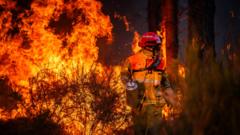
Hundreds of arrests have been made across France during one of the most brutal wildfire seasons on record, but pinning the blame strictly on malicious actors misses the messy truth.
When interior officials announced that over 400 individuals had been taken into custody in connection with the blazes, headlines naturally jumped straight to arson. It makes sense. Evil plotters setting the woods ablaze sounds like a compelling script.
Reality is far more mundane and much more frustrating.
The Numbers Behind the Blazes
France has recorded well over 13,000 separate fire outbreaks, torching more than 116,000 hectares of land. That tally smashes previous national tracking records, leaving communities in regions like Gironde and Var devastated.
Out of those hundreds of arrests, a significant portion involves minors, and a massive chunk of the total incidents trace back to ordinary human carelessness rather than calculated criminal intent.
Think about what actually triggers these disasters:
- Discarded cigarette butts tossed carelessly from car windows.
- Unattended garden barbecues during extreme heatwaves.
- Heavy construction work generating sparks in bone-dry vegetation.
Ministerial data emphasizes that roughly nine out of ten wildfires stem from human activity. That means nature alone isn't sparking these infernos. We are doing it to ourselves.
Arson Versus Absolute Negligence
Distinguishing between a deliberate arsonist and an exhausted builder using a grinding tool on a windy afternoon matters. French law treats intentional arson severely, carrying prison sentences of up to 15 years.
Yet, treating every fire starter like a mastermind criminal ignores the systemic danger of everyday recklessness. People forget that dry scrubland acts like a powder keg during summer heat alerts.
When authorities lock up hundreds of suspects, they are scooping up both malicious actors and people who simply made catastrophic errors in judgment.
What You Should Do Instead of Pointing Fingers
Blaming shadowy syndicates or waiting for local authorities to magically solve the crisis won't save your property or local forests. If you live in or travel through high-risk zones, you have to adopt strict safety habits immediately.
Clear dry brush and vegetation away from structures right now. Postpone any outdoor construction or grinding work when local weather services issue high orange risk alerts for heat and wind. Never throw cigarette butts out into dry grass, and skip open-flame cooking entirely during peak drought periods.
The emergency services are stretched thin. Staying out of trouble means taking personal accountability before the spark turns into a catastrophe.