A luxury watch worth 40,000 euros, a collapsed cryptocurrency platform, and top political figures fleeing abroad. Poland is currently dealing with a massive political and financial crisis that goes far beyond a simple market failure. If you think this is just another standard tech collapse, you are missing the entire picture.
Let's look at why the Zondacrypto scandal has exploded into what some call the biggest corruption case in modern Polish history, pulling the nationalist right directly into the spotlight.
The Anatomy of the Zondacrypto Collapse
Back in April 2026, the crypto exchange Zondacrypto went offline, locking out thousands of clients and triggering losses exceeding 350 million zlotys—roughly 80 million euros. But the real fire started long before the platform crashed. The exchange had seen its bitcoin reserves plummet by 99.7% between August 2024 and March 2026, dropping from over 55 bitcoins down to a fraction of one.
When a platform bleeds funds like that while senior management changes hands—from founder Sylwester Suszek, who vanished in 2022, to his successor Przemysław Kral—investors smell blood. But in Poland, they also smelled deep political protection.
Prime Minister Donald Tusk didn't mince words, publicly blasting what he called a "dirty and sinister business" orchestrated around digital assets. Investigators soon uncovered that Radosław Piesiewicz, head of the Polish Olympic Committee (PKOl), had allegedly received a luxury timepiece worth 40,000 euros and managed to claw back 100% of his personal investments just as the platform was sinking. Piesiewicz was arrested in late August 2026, sending shockwaves through the country's sports and financial establishments.
How the Nationalist Right Got Tangled Up
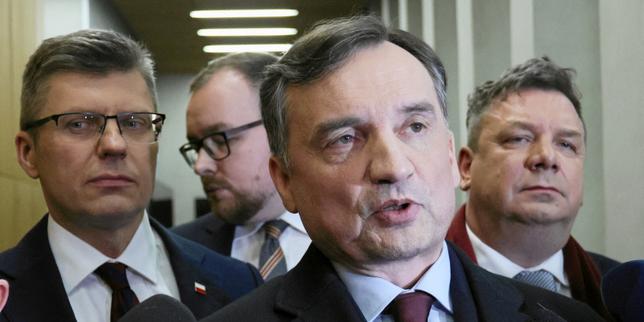
The crisis isn't confined to a rogue corporate executive. Major figures from the nationalist PiS (Law and Justice) party are now heavily implicated. Former Justice Minister Zbigniew Ziobro has reportedly fled to the United States, while his former deputy, Marcin Romanowski, is suspected of seeking refuge in Transnistria, a breakaway separatist region.
For the current government, these developments confirm a cozy, corrupt relationship between political elites and unregulated crypto operations. Critics from the opposition argue that the government is merely weaponizing the scandal to mask its own governance stumbles, but the public fallout is undeniable. Thousands of retail investors lost their savings, and sports federations have revolted, demanding immediate accountability.
The Regulatory Deadlock and MiCA
To make matters worse, this scandal is unfolding while Poland tries to navigate Europe's new regulatory landscape. The European Union's MiCA (Markets in Crypto-Assets) regulation is designed to clean up the Wild West of digital currencies. Yet, Polish politics are completely gridlocked.
In early September 2026, the Polish parliament failed to override a presidential veto against the national crypto market bill, stopping short of the required constitutional threshold. Because of this political stalemate, Poland stands alone as an EU member state unable to properly issue domestic MiCA licenses. Crypto operators based in Warsaw are now forced to pack up and seek regulatory approval in other European jurisdictions or halt services altogether.
What Comes Next for Digital Assets in Poland
If you are trading crypto or watching European fintech policy, this mess offers a harsh lesson. Political patronage can shield failing enterprises for only so long before the market mechanics catch up. When the music stops, ordinary users bear the brunt of the losses while executives and politicians scramble across international borders.
The path forward requires strict transparency and an end to the legislative paralysis in Warsaw. Until lawmakers decouple partisan warfare from financial oversight, trust in the local crypto ecosystem will remain broken. Keep a close eye on how the courts handle the remaining leadership and whether international arrest warrants pierce the political shields protecting the key suspects.