You hear that government bond yields are climbing, and your eyes probably glaze over. It sounds like Wall Street jargon that only matters to guys in expensive suits shouting on television. But if you are trying to buy a house, finance a car, or keep your credit card balances under control, you are about to feel the friction.
When long-term Treasury yields spike—pushing past four and a half percent—it is not just a line moving on a financial chart. It is a direct tax on everyday life. Let us break down why this happens and what it actually means for your wallet.
The Mechanic Behind the Madness
To understand why your borrowing costs are creeping up, you have to look at what a bond yield actually is. When investors lose confidence or demand higher returns for lending money to the government, they sell off their bonds. When bond prices drop, yields go up.
Right now, investors are nervous. Massive federal budget deficits mean the U.S. government has to borrow staggering amounts of cash to keep the lights on. At the exact same time, massive corporate borrowing for artificial intelligence infrastructure and data centers is crowding the market. Add persistent inflation worries driven by volatile global energy prices, and investors are essentially telling Washington that they want a higher premium to take on perceived risk.
Why Your Mortgage Rate Refuses to Drop
Everyone watches the Federal Reserve for clues on interest rates. People think that if the central bank cuts short-term rates, everything gets cheaper overnight. That is a massive misconception.
The Federal Reserve controls the short end of the pool. But the bond market—specifically the 10-year Treasury yield—drives long-term lending. Your 30-year fixed mortgage is tied directly to the 10-year Treasury, not whatever the Fed chair announces at a press conference.
When Treasury yields surge, commercial banks immediately reprice their loan products to protect their own profit margins. If you are looking at homeownership right now, a higher 10-year yield translates straight into hundreds of dollars more on a monthly mortgage payment. It locks out buyers who were already stretching their budgets to meet inflated home prices.
The Ripple Effect on Everyday Debt
It does not stop with housing. Higher benchmark yields bleed into every corner of consumer credit.
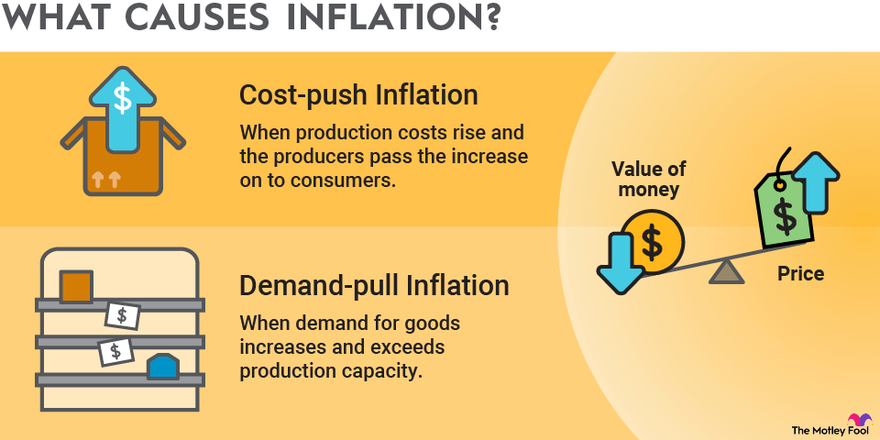
Auto loans track intermediate Treasury notes, meaning car financing gets punishingly expensive. Home equity lines of credit and personal loans become costlier to service. Even corporate borrowing rates tick upward, and businesses rarely absorb those extra costs quietly. They pass them down to you in the form of higher prices at the checkout counter, stoking the exact same inflation that pushed bond yields up in the first place.
There is a silver lining, but only if you are a net saver rather than a borrower. Cash sitting in high-yield savings accounts or money market funds finally earns a meaningful return. But for the average American trying to navigate daily expenses, the extra forty bucks a month on savings interest does not make up for a hundreds-of-dollars jump in loan servicing costs.
What You Should Do Right Now
Stop waiting for the bond market to fix itself or for politicians to magically balance the budget. If you are carrying variable-rate debt, prioritize paying it down aggressively before commercial lenders adjust rates even higher. If you locked in a low mortgage rate years ago, protect it like gold.
Understand the scoreboard. The bond market is sending a loud warning signal about government spending and economic friction, and your personal budget is caught in the crossfire.