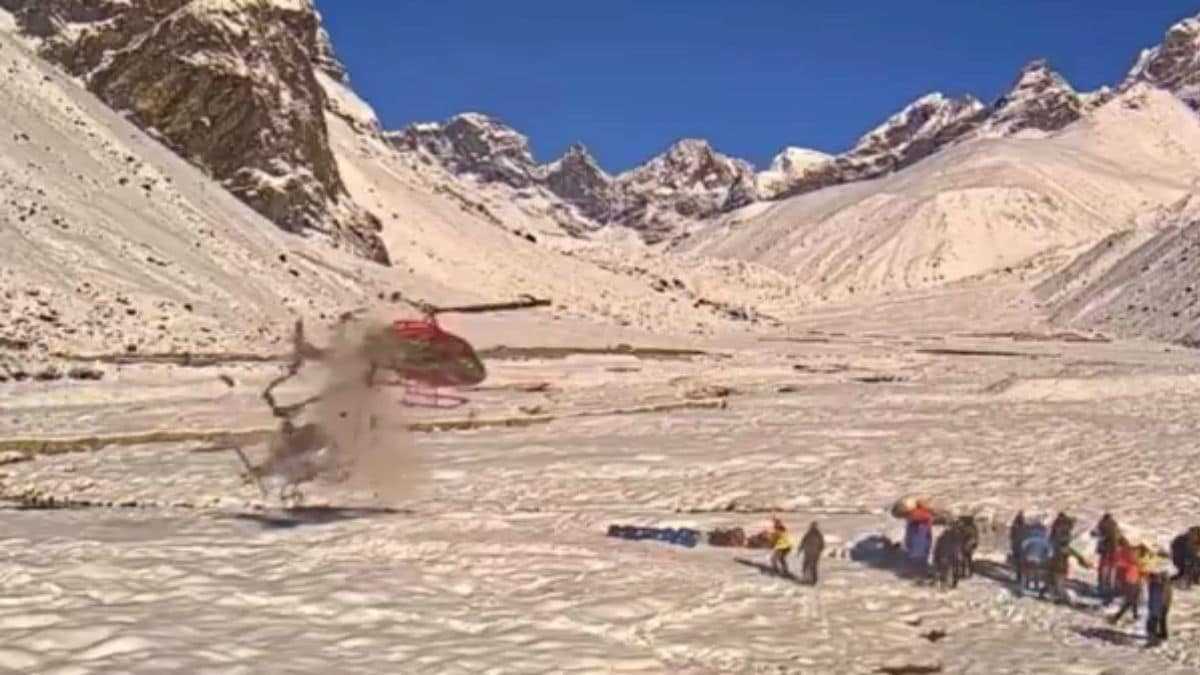
High-altitude aviation in the Himalayas is notoriously unforgiving. When two aircraft belonging to Fishtail Air and Air Dynasty collided while attempting to land at the Pheriche helipad in Nepal's Solukhumbu district, it wasn't just a freak accident. It was a stark reminder of the mounting logistical pressures facing the Mount Everest region.
The collision, which occurred at roughly 8:11 am, resulted in the death of a foreign national and left another person injured. Video footage captured the horrifying moment rotor blades struck during final approach. But looking past the shock value of the viral clips uncovers deep systemic concerns about traffic management, high-altitude infrastructure, and the sheer volume of commercial flights moving through narrow mountain corridors. In similar news, read about: Why Donald Trump Is Refusing To Let Go Of His Ten Billion Dollar Lawsuit Against The Wall Street Journal.
The Bottleneck at Pheriche Heliport
Pheriche sits at roughly 4,371 meters above sea level. It serves as a vital staging post for trekkers, climbers heading toward Everest Base Camp, and emergency rescue missions. Because road infrastructure in the Khumbu region is virtually nonexistent, helicopters act as the primary lifeline for cargo, medical evacuations, and luxury tourism.
During peak climbing and trekking seasons, small helipads like Pheriche experience massive congestion. Multiple private operators manage tight schedules to beat deteriorating afternoon weather windows. Pilots face immense pressure to land quickly, turn around, and get back into the air. USA Today has analyzed this fascinating issue in extensive detail.
When two commercial choppers try to share a restricted landing space simultaneously, margins for error shrink to zero. Rotor wash, thin air reducing engine performance, and limited visual communication channels create a high-risk environment. The Civil Aviation Authority of Nepal and local operators now face intense scrutiny over how coordination failures allowed two active aircraft to converge on the exact same pad at the exact same minute.
Safety Protocols Under the Microscope
Aviation safety in Nepal has long been a subject of international concern. While major domestic airlines face strict European Union airspace bans due to regulatory gaps, charter helicopter companies remain the backbone of mountain mobility. Thousands of tourists rely on these services annually without realizing the complex operational hazards pilots navigate daily.
The injured individual from the Pheriche crash was swiftly airlifted to Lukla for medical treatment, highlighting the rapid response network that exists for emergencies. Yet, reacting to a disaster is entirely different from preventing one. Industry veterans have repeatedly pointed out that ground coordination at high-altitude hubs lacks centralized air traffic control towers. Often, pilots rely on VHF radios to announce their positions to each other rather than taking direction from an independent ground controller.
What Needs to Change in Himalayan Aviation
Fixing this issue requires more than expressing condolences or launching standard bureaucratic investigations. Mountain tourism brings vital economic revenue to rural Nepalese communities, but safety cannot take a backseat to turnaround times.
- Mandatory Ground Control: Implementing dedicated air traffic advisory personnel at high-traffic pads like Pheriche and Syangboche during peak hours.
- Stricter Traffic Sequencing: Enforcing rigid spacing intervals between incoming and outgoing charter flights to eliminate simultaneous landing attempts.
- Advanced Collision Avoidance Tech: Upgrading fleet avionics with reliable traffic alert systems suited for erratic mountain topography.
The allure of Everest draws thousands closer to the clouds every year. Ensuring they come home safely demands absolute operational discipline long before wheels touch tarmac.