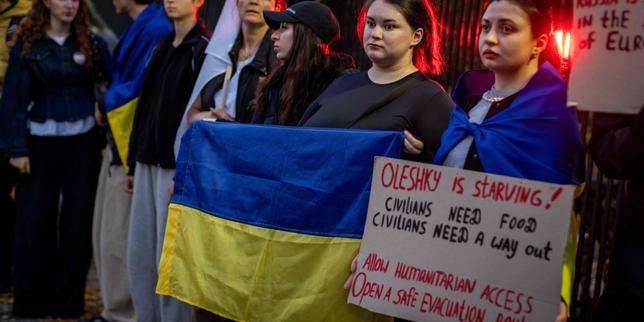
Solidarity has an expiration date, and we're watching it run out in real time across Central Europe. When Russia launched its full-scale invasion in 2022, Polish citizens threw open their doors. Millions of Ukrainians found shelter, schools, and immediate safety just across the border. Back then, 94% of the Polish population supported the emergency response. It was raw, emotional, and human.
Four years later, the mood in Warsaw and regional towns looks entirely different. Recent polling data from research center CBOS shows that 52% of Poles now oppose accepting new refugees from war zones, officially tipping the scales past the minority for the first time.
If you look only at surface-level headlines, you might think ordinary citizens simply grew cold. But the reality is far more complex. Public sentiment didn't sour by accident. It's being actively harvested by political actors who weaponize everyday anxieties for electoral gain.
The Anatomy of Fatigue and Economic Strain
Let's be honest about what happens when emergency hospitality stretches into years. Host countries face structural realities. Housing markets tighten, public school systems absorb thousands of non-native speakers, and healthcare queues grow longer.
When inflation bites local wallets, public perception shifts quickly. According to recent surveys, over half of the Polish public now feels that state aid packages for displaced Ukrainians have become excessive. Politicians know this. Instead of addressing complex economic policy, populist figures find it much easier to point fingers.
They frame every public sector bottleneck as a direct consequence of hosting neighbors. Never mind that the Polish economy absorbed a massive influx of labor that kept manufacturing and services afloat during a severe labor shortage. Nuance doesn't win elections. Fear does.
Political Amplification and External Interference
The narrative isn't just organic fatigue. Domestic political maneuvering has increasingly leaned into anti-refugee rhetoric to mobilize conservative bases. Security services in Poland have even uncovered foreign operations—such as Russian-backed networks attempting to pay individuals to stage fake anti-Ukrainian protests—designed explicitly to manufacture social friction and tear apart local solidarity.
When fringe incidents are magnified on social media, they create a distorted mirror. A minor dispute between neighbors gets transformed into a sweeping cultural threat by commentators looking for clicks or votes. Ordinary people, already stressed by high living costs, absorb this constant drip of hostility.
What Policy Changes Reveal on the Ground
The shift isn't just cultural; it's showing up directly in state policy. Poland has tightened rules around housing support and tied free public healthcare strictly to formal employment and social security contributions through ZUS.
While policy adjustments make fiscal sense on paper, they land heavily on vulnerable groups, particularly mothers with young children who can't easily jump into full-time employment. Yet public opinion on these harsh measures remains fractured. Even many citizens who feel overall aid is too high draw the line at throwing families out onto the street.
This tension shows that empathy hasn't vanished entirely. It's trapped beneath layers of economic anxiety and political polarization.
Recognizing how fear is manufactured is the first step toward pushing back against it. If societies stop examining the root causes of their frustrations, external manipulators and domestic opportunists will keep driving wedges where bridges used to stand.