Everyone thought the massive energy alliance between Moscow and Beijing would sail right through any global friction. They were wrong. High-stakes negotiations over the multi-billion-dollar Power of Siberia 2 pipeline have hit a brick wall, and the root cause comes down to cold, hard cash.
If you look past the official press statements about unbreakable friendship, the commercial reality is brutal. Russia desperately needs a buyer to replace its lost European gas market, while China holds all the cards and refuses to overpay by a single cent.
The Price Gap That Broke the Table
The deadlock centers on a massive disagreement over how much natural gas should cost. Moscow wants a market-based pricing model that tracks traditional export benchmarks. Beijing has other ideas.
Chinese negotiators are pushing for rates close to Russia's heavily subsidized domestic residential and industrial prices. We are talking about a chasm between Moscow's targets and Beijing's demands. When you calculate billions of cubic meters moving across thousands of kilometers of hostile permafrost, that valuation gap translates to billions of dollars every single year.
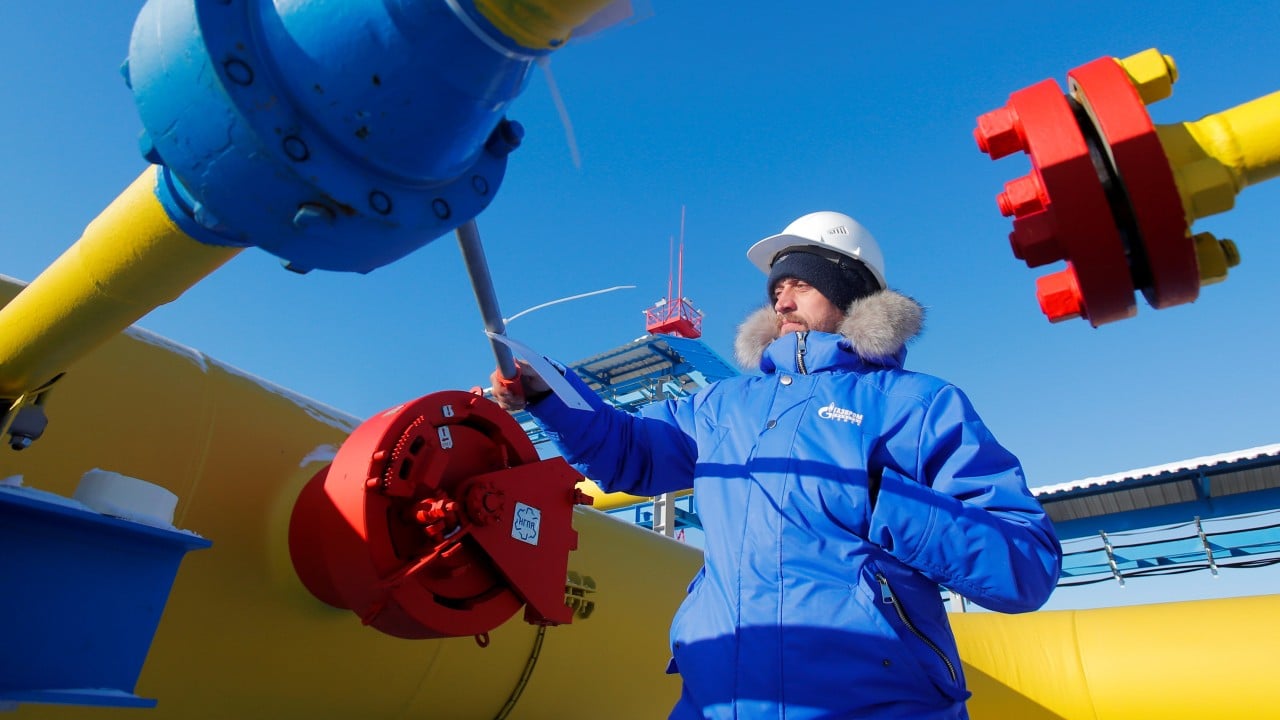
Russia's state-backed energy giant, Gazprom, is hurting. Losing its lucrative European sales channels punched a massive hole in its balance sheet, forcing the company to record heavy financial losses. Building a 50-billion-cubic-meter pipeline through Mongolia requires staggering capital investment. Laying steel in the ground is the easy part. Building compressor stations and maintaining infrastructure in sub-zero terrain demands cash flow that Gazprom simply doesn't have to spare right now.
Why Beijing Can Afford to Wait
China doesn't actually need the pipeline right away. Existing supply contracts and projected domestic demand curves mean Beijing can comfortably sit back and let the clock tick.
There's another strategic layer here. Pipeline megaprojects lock both nations into a rigid, multi-decade relationship. Beijing prefers flexibility. Buying liquefied natural gas via maritime routes or alternative corridors lets China pivot suppliers if global markets shift. Pinning its energy security to a single massive overland pipe running through a third party like Mongolia introduces long-term maintenance and geopolitical headaches that Chinese planners would rather avoid.
Russia lacks viable alternative overland routes to redirect those stranded West Siberian gas fields. Because Moscow has nowhere else to send that specific volume of gas, Beijing knows it can extract maximum concessions.
What Happens Next for Gazprom
Moscow keeps trying to force momentum at the highest political levels, but corporate negotiators are stuck in neutral. Gazprom's leadership has been conspicuously absent from key diplomatic visits, signaling that commercial teams cannot bridge the math.
Financial analysts are already scrubbing the project from near-term forecasts. Major banking projections have started omitting the pipeline from profit models, shaving deep percentages off Gazprom's long-term outlook.
The project isn't entirely dead. The political will from top leadership remains strong, and someday a compromise formula might bridge the gap. But until Beijing gets the steep discounts and purchase terms it demands, the Power of Siberia 2 remains just lines on a map.