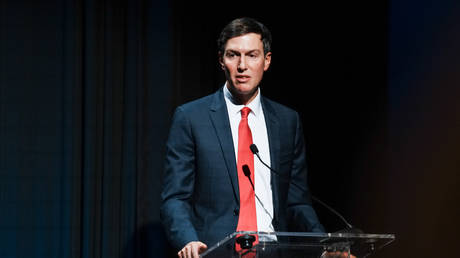
Direct exchanges between journalists and presidents tell us far more about how power operates than any polished White House press conference ever could. When reporters publish raw audio clips, transcripts, or video accounts of their phone calls with a sitting president, the value isn't just in the headlines generated that afternoon. The real insight lies in observing how executive power attempts to persuade, cajole, or outright confront the press when the cameras aren't rolling.
presidential phone calls with journalists—whether recorded live, recounted in post-interview breakdowns, or published as video dispatches—offer a rare window into the mechanics of political communication. Watching or reading how a journalist handles direct contact with executive power provides a masterclass in modern political reporting. Discover more on a similar issue: this related article.
What Political Coverage Misses in On-the-Record Calls
Most audience members consuming political video dispatches focus strictly on the drama. Did the president sound angry? Did the reporter push back on a key policy point? But focusing purely on executive demeanor overlooks the strategic play going on beneath the surface.
Presidents rarely pick up the phone to talk to major news organizations without a distinct objective. They call to reset a narrative, challenge a specific line of reporting, or bypass traditional communication channels altogether. When a news outlet releases a video or audio account of one of these calls, seasoned observers look for three specific elements: Further journalism by Wikipedia highlights similar perspectives on the subject.
- The Anchor of the Narrative: What specific fact or story prompted the outreach in the first place?
- The Dynamic of Control: Who controlled the pacing of the conversation—the interviewer pushing for facts or the speaker attempting to shift topics?
- The Information Trade-Off: What new details were put on the record versus what was deflected?
Analyzing direct political reporting through this lens changes how you digest news dispatches. You stop looking at calls as mere media events and start viewing them as deliberate informational exchanges.
Breaking Down Reporter-President Phone Dynamics
Journalists who regularly cover high-stakes political figures know that unexpected or direct phone calls present distinct tactical challenges. If a reporter takes a call from the White House, they don't have the luxury of a structured briefing environment with clear rules of engagement. They have to verify facts in real time while maintaining control over the line of questioning.
The strongest video features detailing phone interactions don't just recount what was said; they break down how the exchange unfolded. When news organizations walk viewers through a phone call, they highlight the tension between official pushback and investigative reporting.
For example, when a presidential figure challenges a news outlet's reporting live on the line, an experienced journalist doesn't get defensive. They anchor the conversation back to verified documentation and specific reporting timelines. That back-and-forth illustrates why direct press access remains essential to a healthy political system, even when the relationship between executive officials and newsrooms is strained.
How to Evaluate Video Dispatches and Media Reports
When you watch video commentary or read breakdowns of high-profile political calls, you need a framework to distinguish genuine insight from commentary hype.
- Check the Sourcing Standard: Was the call recorded with mutual consent, transcribed immediately, or reconstructed from notes? Accurately documented calls carry vastly more evidentiary weight than memory-based summaries.
- Look for Context Around the Claims: When specific claims about policy or press coverage are made during a phone call, look for whether the reporting outlet provided immediate factual context alongside the audio or transcript.
- Examine the Timeline: Understanding when a call occurred in relation to major news events explains why the conversation took place.
To stay sharp as a consumer of political journalism, don't rely solely on short video clips or social media snippets. Always seek out full transcripts, official newsroom write-ups, or complete audio dispatches whenever they're made available. Comparing the raw conversation against how both sides subsequently frame it is the fastest way to understand how political narratives are built in real time.