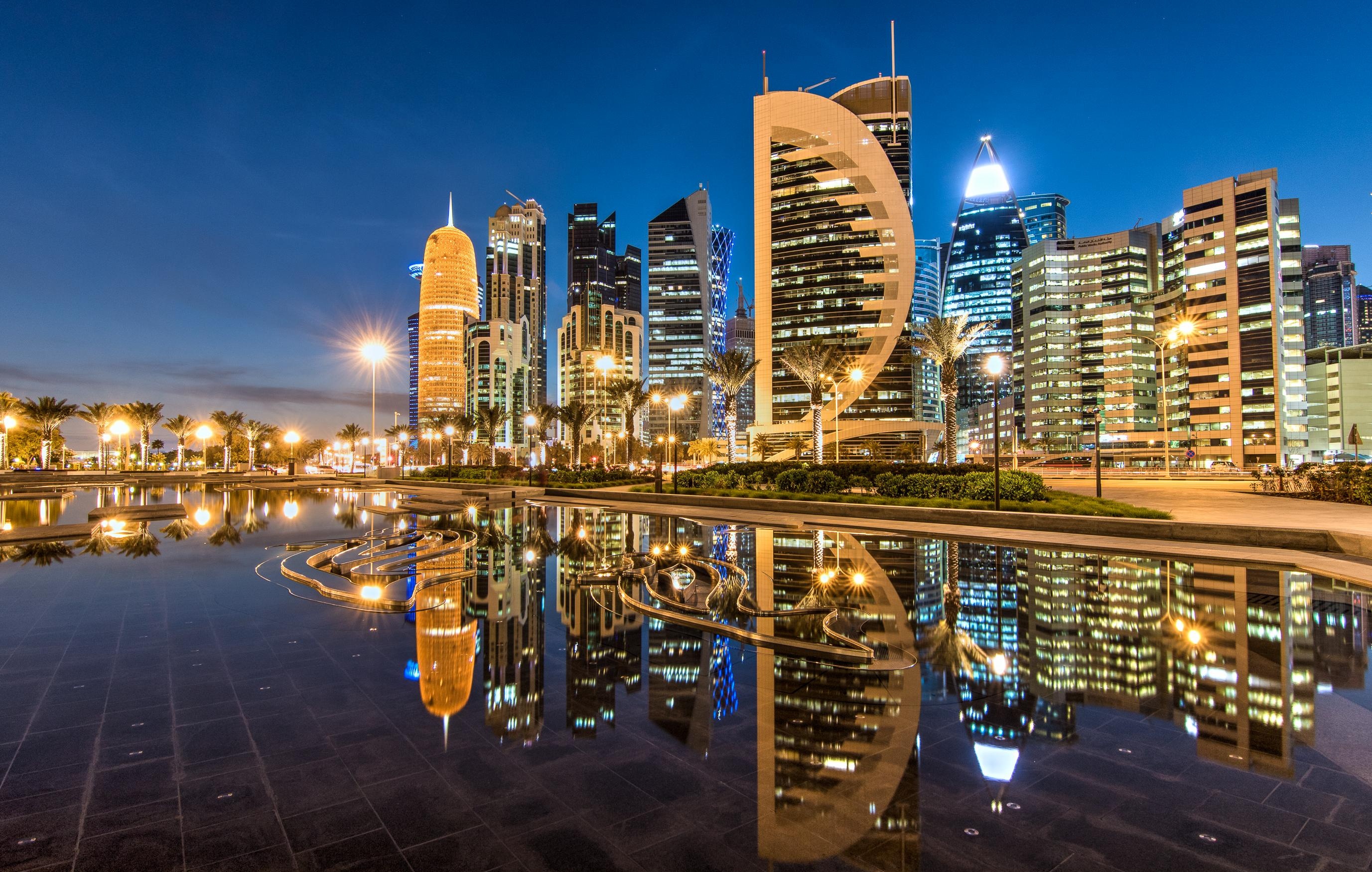
Geopolitics rarely operates on pure altruism. When Sheikh Tamim bin Hamad Al Thani stood before Qatar’s Shura Council and declared that the Palestinian cause remains the country's highest priority, it wasn't just a routine diplomatic statement. It was a calculated reassurance. In a Middle East constantly reshaped by shifting alliances, conflicts, and economic pressures, Doha is drawing a hard line.
You see, for years, critics have watched Gulf states flirt with normalization deals, economic summits, and backchannel diplomacy with Western and regional heavyweights. They wondered if the Palestinian plight would quietly slip down the diplomatic checklist. The Qatari emir just answered that question. By anchoring regional stability directly to Palestinian statehood and rights, Doha is rejecting the idea that forgotten crises can simply be swept under the rug.
The Shura Council Address and What It Means
When leaders speak at the Shura Council, they layout domestic and foreign policy blueprints for the year ahead. Sheikh Tamim didn't just mention Palestine in passing. He framed it as the core pillar of Arab security and regional equilibrium.
Doha has played a uniquely complex role in modern diplomacy. It acts as a mediator, a host for political offices, and a financial lifeline for besieged populations. But mediation is exhausting work. It requires balancing ties with global superpowers while maintaining credibility with resistance groups and regional governments.
By prioritizing Palestine so explicitly, the emir is signaling to domestic and international audiences that Qatar's foreign policy identity is non-negotiable. It tells regional partners that economic integration and security pacts cannot bypass the core wound of the Middle East.
Beyond Palestine: The Broader Regional Horizon
While Palestine took center stage, Sheikh Tamim didn't ignore the other bleeding wounds across the region. Sudan, Libya, Yemen, and Somalia also featured prominently in his address.
Think about the sheer scale of displacement across these nations. Sudan is facing one of the worst humanitarian catastrophes of this century. Millions are displaced, food insecurity is rampant, and international fatigue has left local populations to fend for themselves. Libya remains fractured between competing administrations. Yemen is picking up the pieces from a devastating multi-sided conflict.
Qatar's strategy relies heavily on soft power and mediation channels. Unlike neighbors who project power through military intervention or blockade tactics, Doha leverages its diplomatic independence. It talks to actors that other capitals refuse to touch. That approach has its detractors, but it keeps doors open when every other bridge has burned.
Why This Stance Matters Right Now
The timing of this address isn't accidental. International fatigue is real. Global attention shifts rapidly from one headline to the next, leaving long-term occupations and humanitarian crises to fester in the background.
When a wealthy, influential state like Qatar publicly refuses to let the narrative fade, it shifts diplomatic momentum. It forces Western capitals and regional neighbors to acknowledge that normalization without resolution is a dead end.
You can't build a secure, prosperous Middle East on top of unresolved systemic injustice. That's the core message coming out of Doha. It's an inconvenient truth for leaders looking for quick economic fixes, but it's the only foundation that holds up over time.
Moving Forward in a Fragmented Region
The road ahead is brutal. Mediation efforts face constant obstruction, humanitarian aid is weaponized or blocked, and political polarization runs deeper than ever.
Yet, by keeping the Palestinian cause front and center, Qatar is anchoring its diplomatic playbook in a principle that resonates deeply across the Arab street, regardless of official government stances elsewhere. Watch how Doha deploys its aid packages and diplomatic pressure in the coming months. The rhetoric has been set. Now comes the hard part: forcing the international community to back words with enforceable action.
.JPG?q=50&fit=crop&w=825&dpr=1.5)