You won't find California cabernets on SAQ shelves right now, and Quebec Premier Christine Fréchette wants a high price to change that.
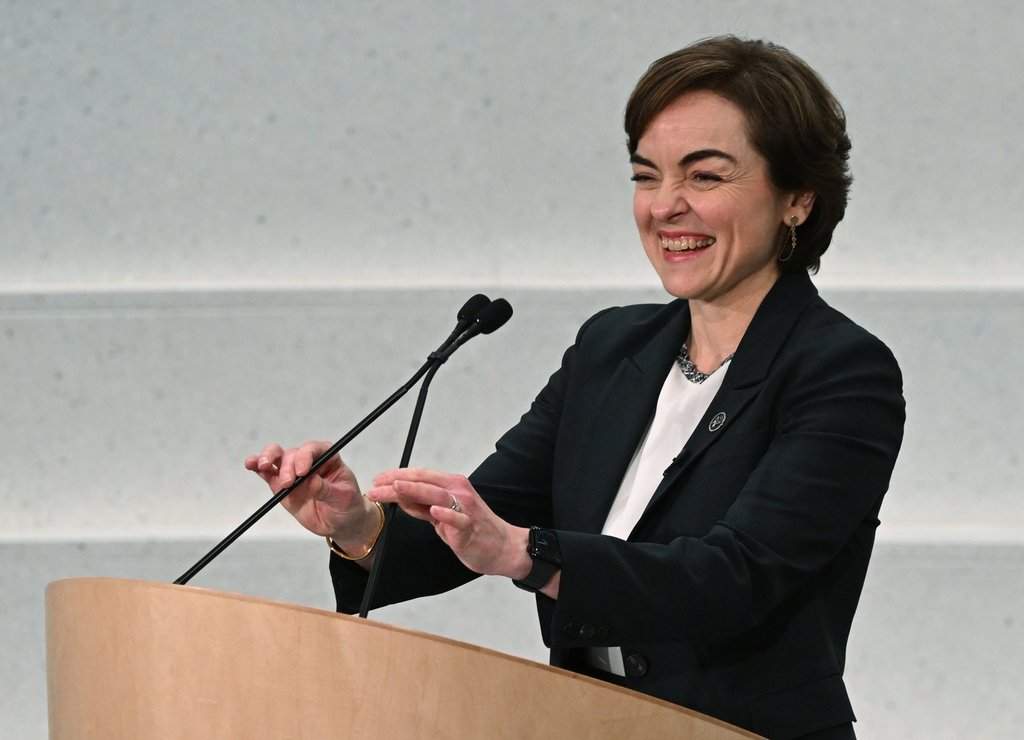
Trade battles rarely stay contained to boardrooms. They hit store shelves, local economies, and dinner tables. Right now, Quebec's liquor monopoly is serving as a geopolitical weapon in an escalating trade war with Washington. Premier Fréchette made it clear during a press briefing in Yamachiche that American wines could return to provincial liquor board stores, but only if the United States offers concrete concessions on tariffs affecting critical local industries.
It is a straightforward transactional stance. You give us relief on aluminum, forestry, and manufacturing, and we let your wine back in.
The Cost of Retaliation
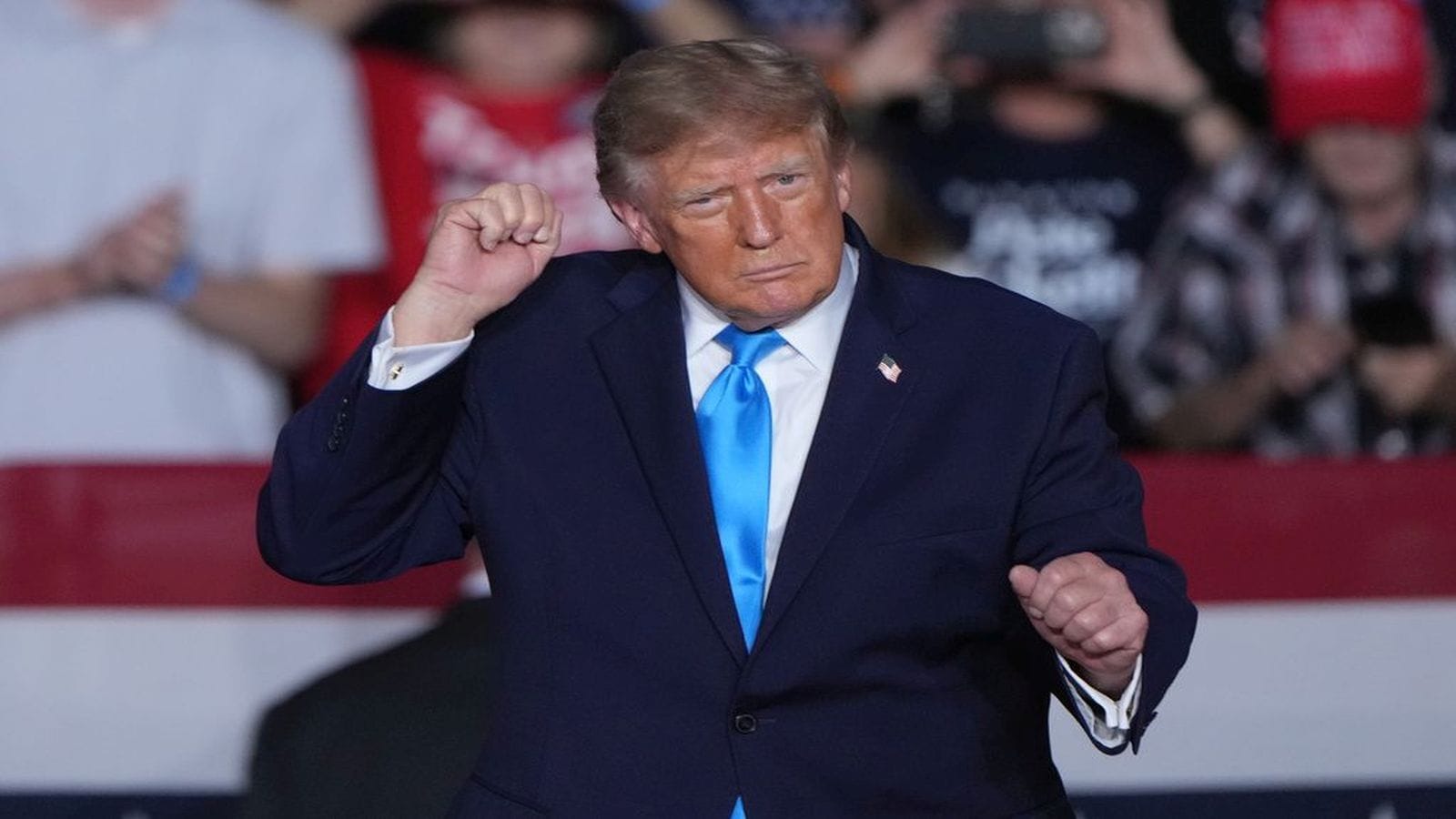
The province didn't ban American alcohol by accident. Last year, the Quebec government directed its liquor board to pull U.S. products in direct retaliation for early rounds of tariffs launched by the U.S. administration under Donald Trump.
Now, with a punishing new round of 50 per cent American tariffs on a broad range of Canadian goods looming on August 19, the stakes are higher than ever. Unlike past measures, these incoming tariffs lack exemptions for goods complying with the United States-Mexico-Canada Agreement. That puts immense pressure on Canadian exporters, particularly in industrial sectors.
Fréchette pointed straight at the damage. Forestry, aluminum, and manufacturing face massive roadblocks because of aggressive U.S. trade policies.
"All of these sectors are suffering the repercussions in a very significant and damaging way," Fréchette noted. "So, if there are gains on that front, I will be open to the idea of bringing back American wines."
What Stays Off the Table
While wine is a bargaining chip, other provincial priorities are locked tight. Fréchette drew absolute red lines around two core issues:
- Supply Management: The agricultural protection systems shielding dairy and poultry farmers from foreign competition remain completely non-negotiable.
- Culture and Language: Any trade concessions that threaten the protection of the French language and Quebec culture are dead on arrival.
Ottawa might be willing to lift bans on American booze to smooth over negotiations, but Quebec holds exclusive jurisdiction over alcohol sales through the Ministry of Finance and the SAQ. Federal deals don't automatically mean local compliance.
The Political Reality for Local Consumers and Producers
For wine drinkers, the ongoing boycott means fewer choices from the West Coast. For local vineyards and microbreweries, it opened up unexpected market breathing room. Consumer habits shifted, and local producers tried to capture the gap left by missing imports.
Yet, prolonged trade disputes create long-term uncertainty for retail supply chains. If you run a restaurant or stock a cellar, you're watching August 19 very closely.
Real trade leverage means using what you control to protect what you build. Quebec's leadership isn't backing down from that fight. Keep an eye on bilateral talks this week. If Washington blinks on industrial tariffs, California bottles might reappear in Montreal sooner than you think. If not, the SAQ will stay strictly local.