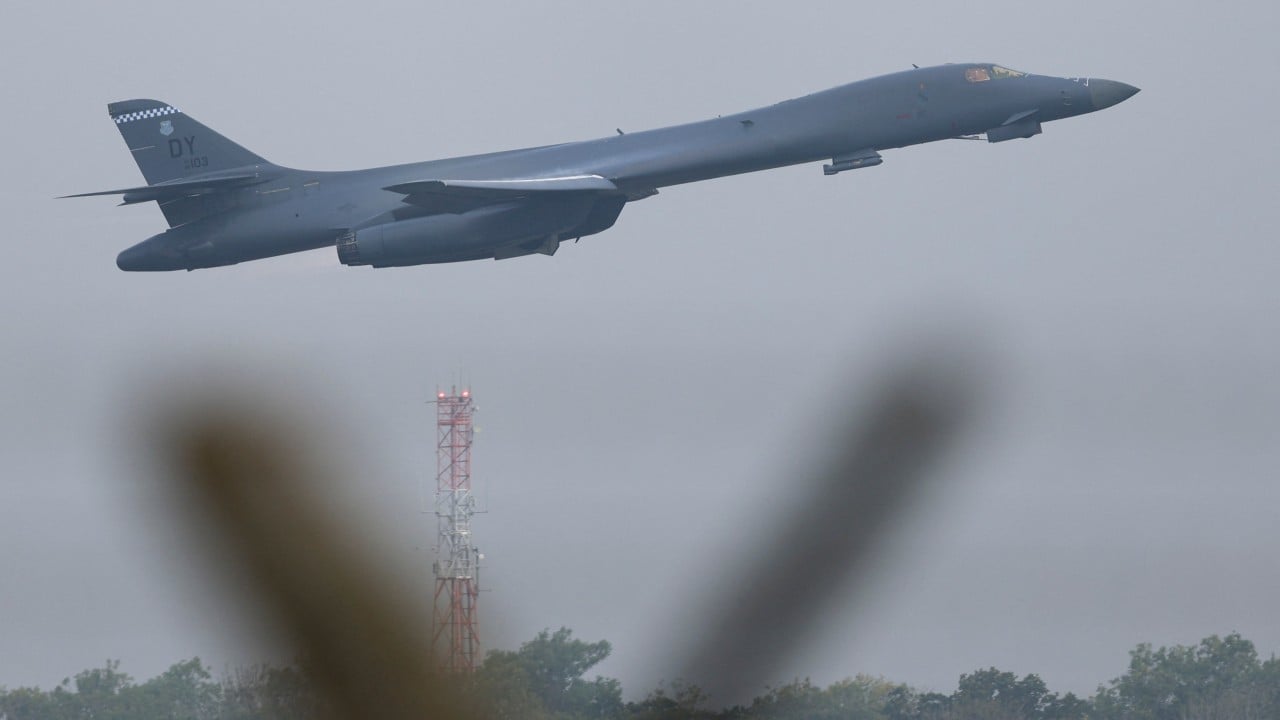
A panic can escalate much faster than any bomb disposal robot can roll across an airfield. When local residents spotted suspicious vans idling near the high-security RAF Fairford airbase in Gloucestershire, the reaction was instantaneous. Road cordons went up, villagers were evacuated from their homes, and a major national security incident was declared. Five London-based men were arrested within hours under the UK's Explosives Act.
Then came the twist that left international observers scratching their heads.
British counter-terrorism police confirmed that a thorough forensic examination of the seized vans revealed zero improvised explosive devices. Instead, investigators found containers filled with a quantity of petrol. Shortly after, the five suspects were released on police bail, sparking immediate public friction and a blunt critique from US leadership, who noted they wouldn't have set the suspects free so quickly.
The immediate narrative took a dizzying turn from an averted catastrophic terror strike to a confusing standoff over fuel cans and bail conditions. But looking closer at how modern security threats actually operate reveals why finding petrol instead of ready-to-detonate bombs doesn't mean the threat evaporated.
The Reality of Hostile State Proxies
Security agencies across Europe have flagged a sharp rise in covert operations backed by hostile nation-states. Britain's security officials reported that state-backed threats increased significantly over recent months. Adversaries don't always hand operatives military-grade C4 or complex remote detonation packages anymore.
Simple, readily available materials fit a different operational playbook. Sabotage units often rely on low-signature tactics—using ordinary fuel, basic incendiary tools, or civilian infrastructure to disrupt critical military assets. When an airfield is actively utilized by allied forces for strategic missions, attackers don't need a massive theatrical explosion to cause strategic chaos. Disruption, reconnaissance, or low-level arson attempts on perimeter fences or support logistics can achieve a foreign sponsor's immediate goals with far less logistical footprint.
This context explains why the investigation didn't just wrap up when bomb squads found no wires or timers in the back of those vans.
Why Releasing the Suspects Frustrated Allies
The decision by National Counter Terrorism Policing head Laurence Taylor to grant bail to the five British nationals stunned international partners. President Donald Trump voiced open surprise that men detained near a vital US-operated airbase were back on the streets within days.
Police defended the move as a strategic choice grounded in policing experience and legal powers rather than a lack of concern. In complex counter-terrorism probes involving potential foreign state actors, keeping suspects under active surveillance while free on bail can yield more operational intelligence than locking them up immediately on minor charges. Investigators often trace burner phones, digital communications, handlers, and financial networks that activate only after suspects believe the immediate heat has cooled off.
It's a high-stakes gamble. Public reassurance plummets when suspected saboteurs walk free, but prematurely charging individuals without ironclad evidence can collapse a wider international conspiracy network before intelligence agencies can map the entire cell.
The Shift in British Defense Infrastructure
RAF Fairford has long been a focal point for military power, serving as a launchpad for strategic bombers during major conflicts spanning decades. Because of this high-profile operational status, local vigilance is sky-high. A local farmer spotting unfamiliar vans blocking a rural access lane in the dead of night triggered a massive regional response precisely because everyone knows what the base represents.
Yet this incident exposes a vulnerable gap in domestic defense posture. Securing the perimeter of a major military installation requires managing vast rural perimeters where civilian traffic intersects with sensitive government zones. When ordinary residents act as the first line of defense against potential saboteurs, false alarms and chaotic interventions are inevitable.
The takeaway from the Gloucestershire scare isn't that the threat was overblown. It's that modern security threats look messy, ambiguous, and frustratingly quiet. Petrol in a van parked near a runway might not look like Hollywood-style terrorism, but in the realm of modern state-sponsored sabotage, it's often all an operative needs to start a fire.