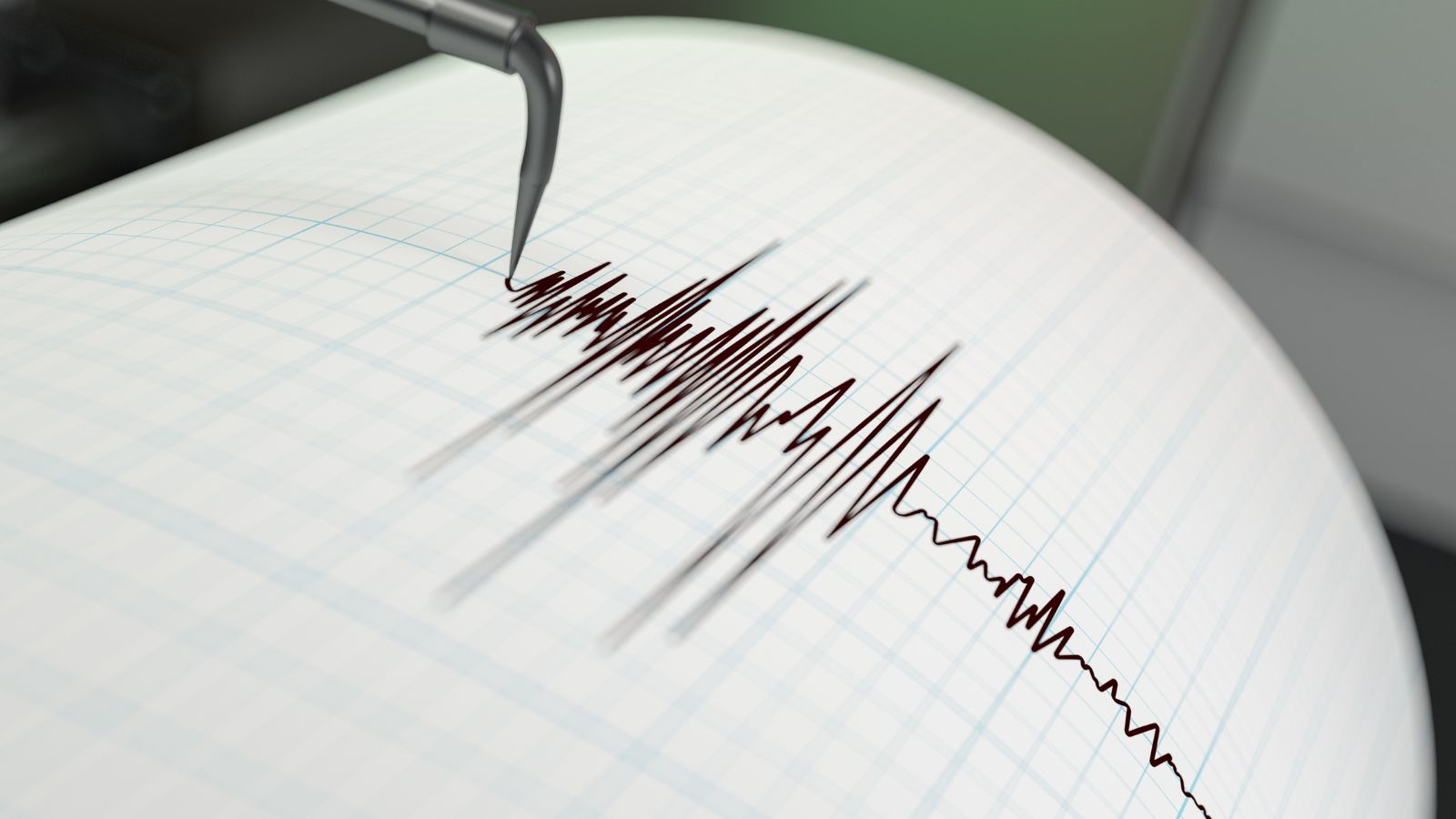
When a 5.0 magnitude earthquake rattles Tibet, it's easy to dismiss it as just another routine tremor in a remote, mountainous corner of the world. But if you look at the timing and the fragile state of the Himalayas right now, this isn't just background seismic noise. It's a flashing red light for an entire region already reeling from catastrophe.
Let's look at what actually happened. The German Research Centre for Geosciences (GFZ) and India's National Center for Seismology tracked a magnitude 5.0 earthquake striking Tibet at a relatively shallow depth. Tremors rippled across the border into Nepal, unnerving communities that haven't had a single moment to breathe.
Why This Earthquake Hits Differently
You have to understand the context. This tremor didn't happen in a vacuum. It struck while rescue workers were knee-deep in mud, rocks, and debris following the devastating flash floods that pulverized the Nepal-Tibet border region.
When a 5.0 magnitude earthquake hits an area where the terrain is already severely destabilized by massive ice-rock avalanches and catastrophic flooding, the secondary risks multiply exponentially. We aren't just talking about shaking ground. We're talking about fresh landslides blocking narrow mountain gorges, cutting off supply lines, and endangering thousands of personnel searching for survivors.
The Fragile State of the Qinghai-Tibet Plateau
The Himalayas are changing faster than most people realize. Scientists point out that glaciers across the Qinghai-Tibet Plateau have shrunk drastically over the past six decades. As permafrost thaws and temperatures rise, the very foundation of these mountains becomes loose.
When you combine accelerated glacier retreat with active seismic faults, you get a worst-case scenario. A moderate earthquake that might only crack a few walls in a stable urban environment can trigger deadly rockfalls and slope failures in high-altitude gorges.
What Comes Next for the Region?
Authorities are racing against time. Emergency teams are monitoring barrier lakes and unstable slopes via satellite while deploying heavy equipment to clear routes like the G216 national highway. But mother nature isn't waiting around for recovery efforts to finish.
If you're following disaster response or climate resilience, the takeaway is stark. The frequency of compounding disasters—where an earthquake, a glacial collapse, and massive flooding happen back-to-back—demands a complete overhaul of how we monitor high-altitude hazards. Governments and international agencies can no longer treat these events as isolated incidents. They are interconnected symptoms of a rapidly warming, volatile roof of the world.
Keep a close eye on early warning system deployments across the Himalayas, because traditional disaster response models are breaking down under the weight of these compounding climate and seismic shocks.
Magnitude 5 Earthquake Hits Tibet Days After Nepal Flash Floods
This video provides a helpful visual overview of the magnitude 5 earthquake striking Tibet right on the heels of the devastating flash floods in the region.
http://googleusercontent.com/youtube_content/1